How Often to Bathe a Puppy: Healthy Skin & Bonding
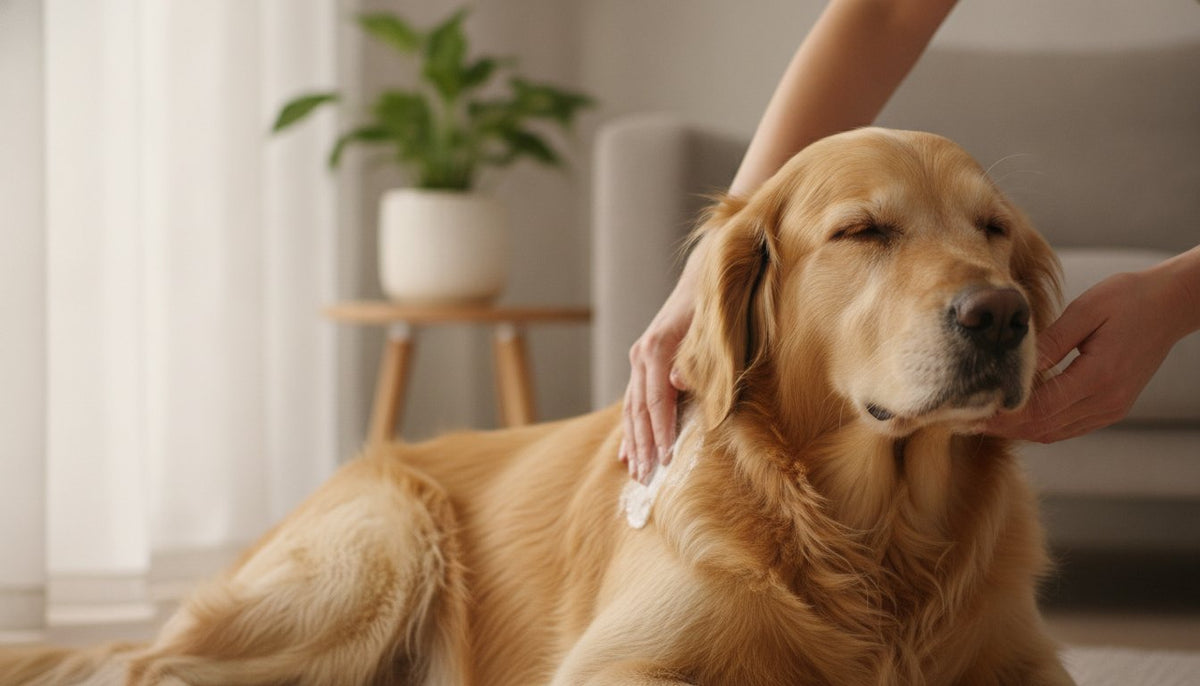
What if your puppy's bath time was less about scrubbing away dirt and more about a quiet moment of connection? Most new pet parents feel a natural sense of anxiety when they first wonder how often to bathe a puppy. You want your companion to be clean and fresh, yet you worry about whether frequent washing might strip away the essential oils their young skin needs to stay healthy. It is a delicate balance to strike, especially when you are faced with conflicting advice regarding puppy hygiene and skin health.
In this guide, you will discover the ideal bathing schedule to protect your puppy's developing skin barrier while nurturing a lifelong bond through mindful grooming. We believe that every wash should be a meaningful act of affection. We will explore the science of canine skin, the benefits of botanical purity in products like Calm Wash, and how our Gentle Start Bundle creates a soothing experience. You will learn how to transition from the first bath at eight weeks old to a steady routine that uses our Greek-made, concentrated paste formulas. By choosing plant-based luxury with ingredients like hyaluronic acid and amino acids, you ensure your puppy receives the highest European standards of care without harsh sulfates or synthetic fragrances.
Key Takeaways
- Learn why the standard recommendation for how often to bathe a puppy is once every four to six weeks to protect their natural oils.
- Discover the science behind your puppy's delicate skin barrier and why maintaining a neutral pH balance is vital for their long-term comfort.
- Understand why the first bath should wait until eight weeks of age to ensure your companion can safely regulate their body temperature.
- Identify the specific signs that your puppy needs an earlier wash and how to use botanical essentials like Calm Wash to protect sensitive skin.
- Master the art of the first bath as a ritual of affection, turning a routine task into a calming bonding experience for you both.
The Golden Rule: How Often Should You Bathe a Puppy?
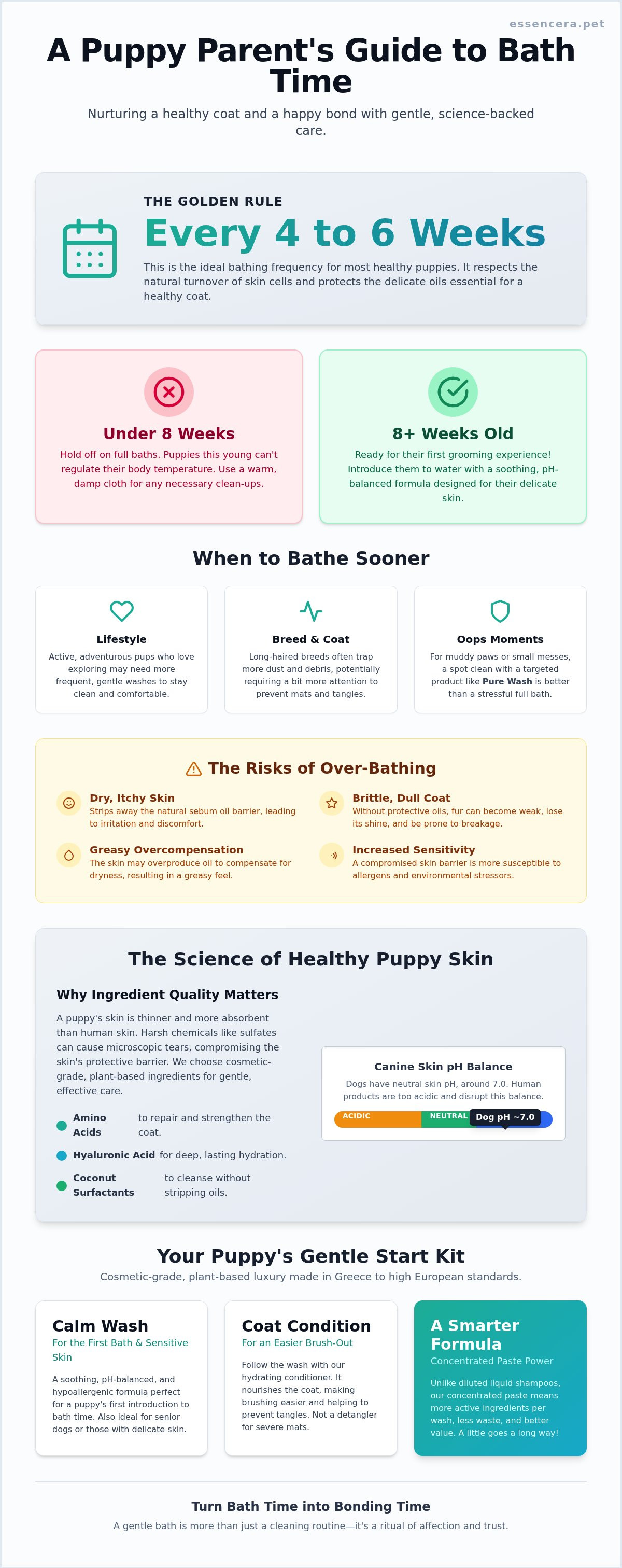
Determining how often to bathe a puppy is one of the first milestones in your journey together. For most healthy puppies, the standard recommendation is a gentle wash once every four to six weeks. This timing respects the natural turnover of skin cells and allows the coat to remain fresh without interfering with the skin's delicate ecosystem. While some advice suggests more frequent washing, a monthly ritual is usually the perfect balance for the hygienic care of a dog.
If your companion is an indoor pup who stays tidy, you might choose to bathe them only when they truly need it. It's vital to remember that puppies under eight weeks old should never have full immersion baths. Their little bodies can't regulate temperature effectively yet, so a simple damp cloth is best for early clean-ups. Once they hit that eight-week mark, you can safely introduce them to the water using a soothing, pH-balanced formula like Calm Wash.
Factors That Change the Bathing Schedule
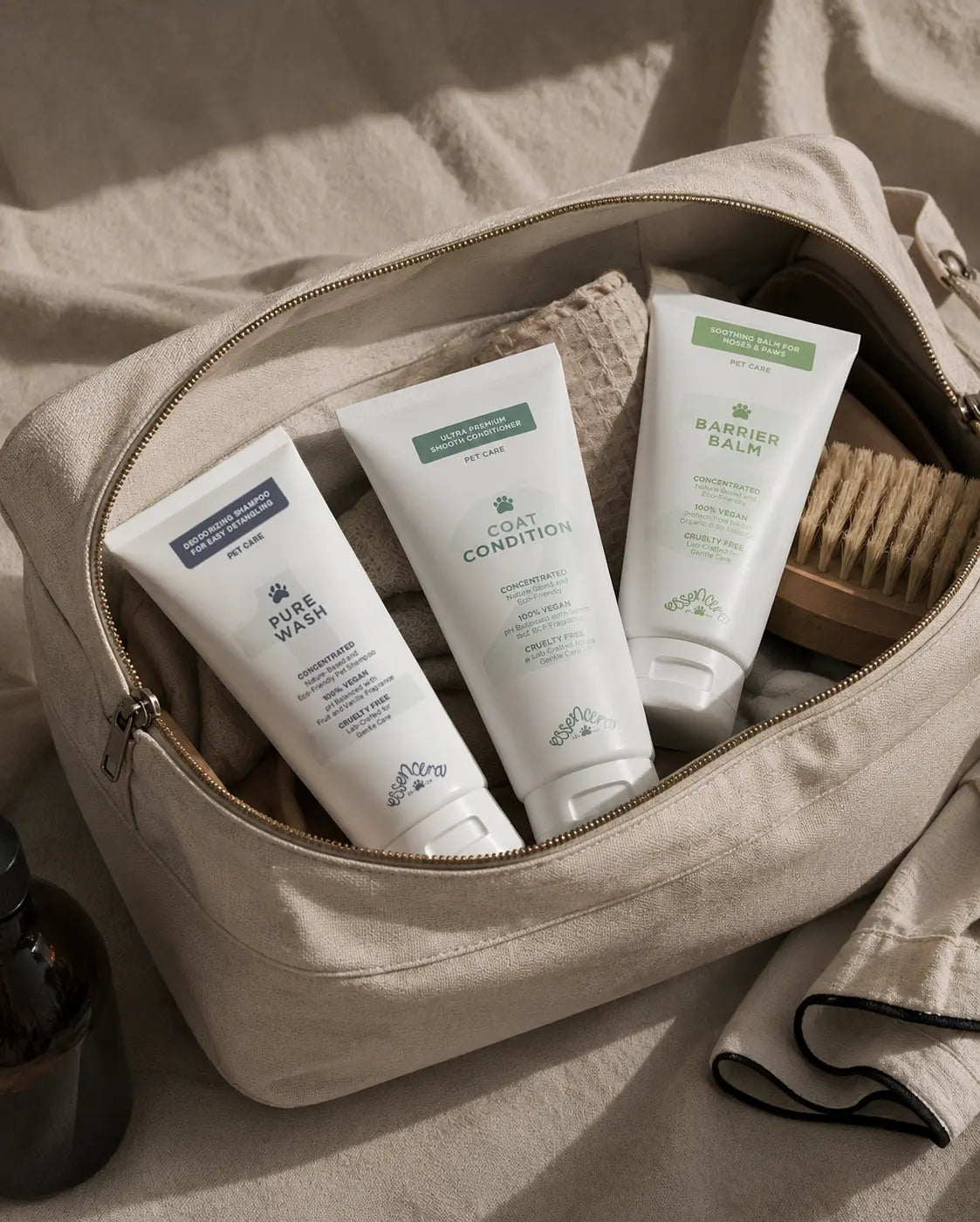
Not every puppy follows the same calendar. A long-haired breed might trap more dust and debris than a short-haired one, requiring more frequent attention. Your puppy's lifestyle also plays a huge role. An "adventure pup" who explores the garden daily will naturally need more cleaning than a quiet lap dog. If they get into a localized mess, try a spot clean instead of a full bath. Using a small amount of Pure Wash on muddy paws is a great way to maintain cleanliness without over-processing the skin. Our concentrated paste formulas are crafted in Greece to high European standards, offering better value and more intentional care than common liquid shampoos.
The Risks of Overbathing Your Young Pup
Understanding how often to bathe a puppy is as much about what you avoid as what you do. Washing too often can strip away the natural sebum oils that keep a coat soft and healthy. This often results in dry, itchy skin or a brittle coat. In some cases, the skin might even overproduce oils to compensate for the dryness, leading to a greasy feel. By choosing plant-based luxury over harsh sulfates, you protect that developing skin barrier. Our products use cosmetic-grade ingredients like hyaluronic acid for hydration and amino acids for repair. While Coat Condition makes brushing easier, it's not a magic detangler for severe mats; regular, gentle maintenance is the key to a happy pup.
Understanding Your Puppy's Delicate Skin Barrier
A puppy's skin is a marvel of nature, but it's incredibly fragile. It's significantly thinner and more absorbent than adult human skin, which makes it susceptible to environmental stressors. When you consider how often to bathe a puppy, you must also consider what that skin is absorbing. Maintaining a neutral pH balance, which sits around 7.0 for dogs, is the foundation of healthy grooming. While the general rule for bathing provides a helpful timeline, the quality of the formula you use is what truly protects this delicate barrier.
Harsh surfactants like sulfates are common in many mass-market pet products, yet they can cause microscopic tears in a young pup's skin. These tiny injuries compromise the skin's ability to protect itself from allergens and bacteria. To support healthy development, we utilize amino acids. These building blocks are essential for repairing the coat during the intense growth phase. They ensure that as your puppy matures, their fur remains strong, shiny, and resilient against the elements.
The Science of Botanical Purity
We prioritize botanical purity to ensure your companion’s safety and comfort. Instead of harsh traditional soaps, we use gentle coconut-derived surfactants. These clean effectively without stripping away the moisture your puppy needs for a soft coat. We also incorporate hyaluronic acid into our formulations. It acts as a powerful humectant, locking in deep hydration within the skin and fur. By excluding artificial dyes and synthetic fragrances, we provide a clean experience that respects your puppy's natural scent and sensitive nose.
Why Concentrated Formulas Matter
Many liquid shampoos are heavily diluted with water. This requires manufacturers to use high levels of preservatives to keep the product shelf-stable. Our concentrated paste formulas, made in Greece to premium European standards, offer a superior alternative. They allow for a controlled, gentle application that is easier to manage during a wiggly bath time. This approach isn't just better for your pup; it's also a choice for environmental responsibility. Using less water in our packaging means less plastic waste and a smaller carbon footprint during shipping.
Understanding how often to bathe a puppy involves more than just a calendar; it's about the integrity of the ingredients you choose. Choosing the right products is a meaningful act of affection. When you use a specialized solution like Calm Wash, you aren't just cleaning fur. You are protecting a vital barrier and building trust with every touch. It's the perfect way to ensure your puppy's skin stays as soft and healthy as the day they joined your family.
Signs Your Puppy Needs a Bath Before Their Scheduled Time
While we have established a gentle rhythm for how often to bathe a puppy, life with a young companion is rarely predictable. Sometimes, your pup's curiosity leads them directly into a mud puddle or a patch of sand. In these moments, waiting for the next scheduled wash isn't always practical. Visible debris is the most obvious sign that it's time for an unscheduled cleaning. Whether it is garden soil or "mysterious" finds from the local park, removing these particles promptly prevents them from irritating the skin or being tracked through your home.
Another common indicator is the "Puppy Funk." While puppies usually carry a sweet, natural scent, certain odors can become overwhelming for the household. This often happens when moisture and bacteria become trapped in a thick coat. Similarly, sticky substances like tree sap, grease, or even spilled food require immediate attention. These substances are difficult to brush out and can quickly lead to painful matting if left alone. You might also notice your puppy scratching persistently. If fleas aren't the culprit, it is likely that dander or environmental allergens like pollen are trapped in their fur, causing localized discomfort.
Identifying Allergies vs. Dirt
It is vital to distinguish between a pup who is simply dirty and one who is experiencing a skin reaction. If you notice redness, inflammation, or "hot spots" on the skin, a bath might be a medical necessity to clear away irritants. For these sensitive moments, using Calm Wash provides a soothing experience. Its plant-based luxury and botanical purity are designed to calm the skin without the use of harsh synthetic fragrances. However, if the skin appears broken, crusty, or exceptionally painful, you should always consult a veterinarian before reaching for the shampoo.
Alternatives to a Full Bath
Before you decide how often to bathe a puppy during a messy week, consider if a full soak is truly necessary. Frequent full-body immersion can be taxing on their developing skin barrier. Instead, try these gentle alternatives:
- Spot Cleaning: Use a soft, damp cloth for the face and "potty" areas to maintain hygiene between full washes.
- Daily Brushing: This is a meaningful act of affection that also distributes natural oils. Using a small amount of Coat Condition during brushing can help keep the fur manageable, though it isn't a magic solution for severe mats.
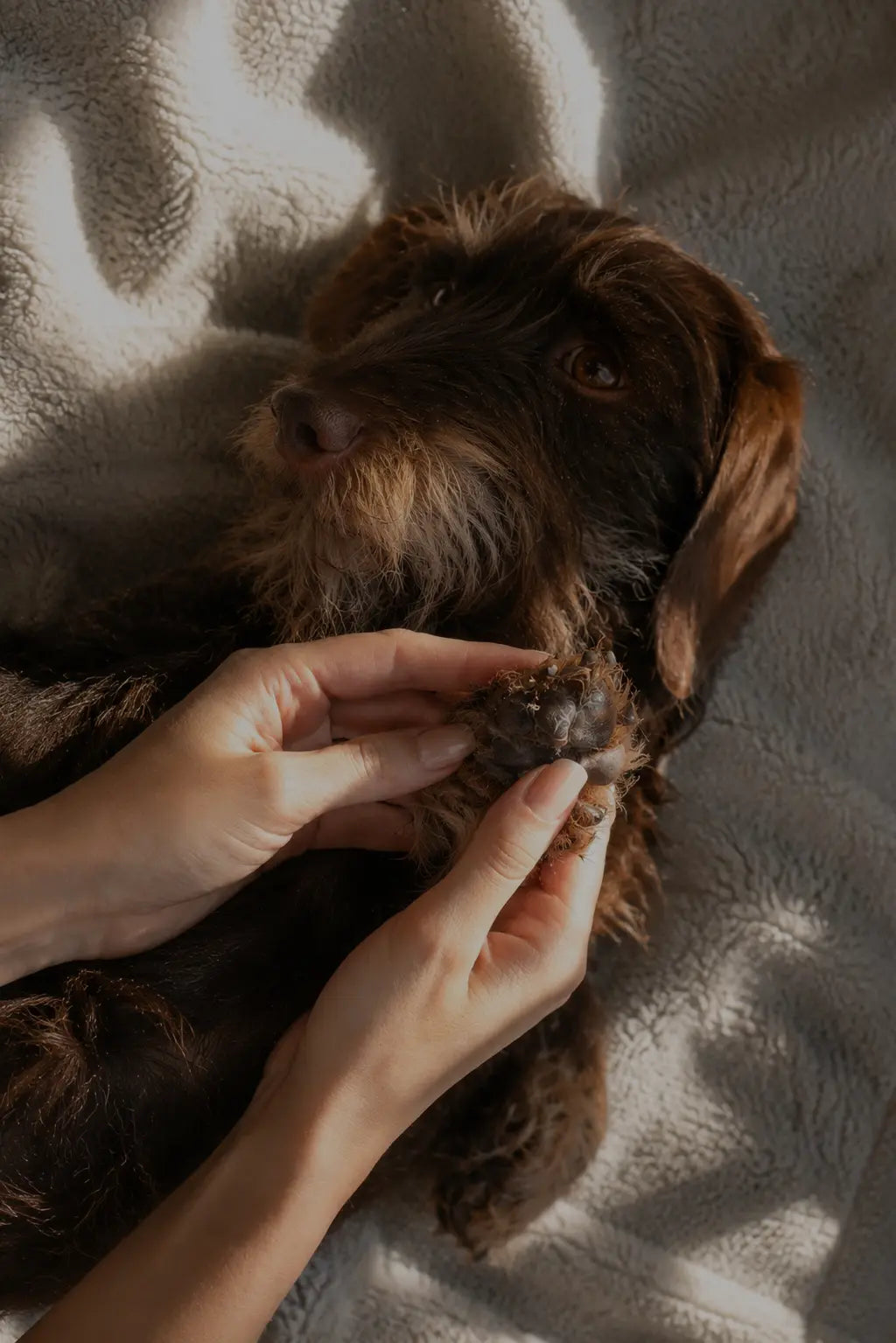
- Paw Rinses: If only the feet are muddy, a quick rinse in lukewarm water is sufficient. Follow this with Barrier Balm to keep their paw pads hydrated and protected.
By using these targeted methods, you can keep your puppy fresh and comfortable while sticking to your primary grooming schedule as much as possible.
The First Bath: A Ritual of Affection and Trust
Sensory introduction is the next step. Let your puppy sniff the brush and the shampoo container. Run the water gently so they become accustomed to the sound. Always check the temperature on the inside of your wrist. It should be lukewarm, never hot or cold. Use soft praise and small treats to reward their curiosity. This positive reinforcement builds a sense of security that will last a lifetime.
Begin by wetting the feet and slowly moving toward the shoulders. This gradual approach allows your puppy to adjust to the sensation of water on their skin. Avoid the eyes and ears entirely during the pouring phase. Instead, use a soft washcloth to clean the sensitive areas of the face. When applying a concentrated paste like Calm Wash, massage it gently into the fur. Rinsing thoroughly is the most critical part of the process. Leftover residue is the primary cause of post-bath itching, so take your time to ensure every bit of product is washed away, leaving only clean, hydrated skin.
Post-Bath Care and Warmth
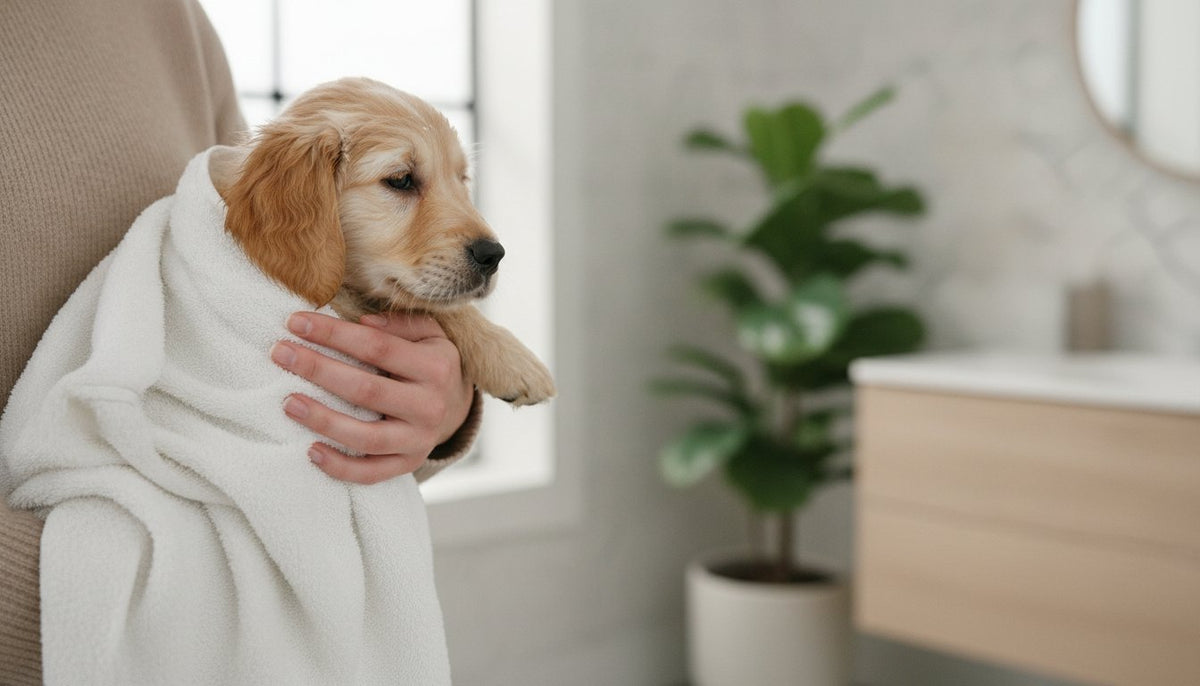
Once the water is off, immediately wrap your puppy in a large, soft towel. A gentle towel massage is a wonderful way to dry them while providing a soothing tactile experience they often love. It is vital to keep a wet puppy in a warm, draft-free room until they are completely dry. Puppies can easily catch a chill, so avoid letting them outside too soon. To finish this ritual of affection, apply a small amount of Barrier Balm to their nose and paw pads. This protects their most sensitive skin from dryness and environmental stressors.
Creating a positive grooming habit starts with the right tools and a gentle heart. To give your companion the best possible introduction to hygiene, consider our Gentle Start Bundle which is perfectly curated for these early bonding moments.
Choosing the Right Essentials for Your Puppy
Selecting the right products is just as vital as understanding how often to bathe a puppy. Many new owners are tempted to use human shampoo, but this is never a safe option for a developing pup. Human skin is naturally acidic, while a dog's skin is much closer to a neutral pH of 7.0. Using human products can disrupt this balance, leading to irritation and a weakened skin barrier. Instead, you should look for botanical purity that respects your puppy's unique biology.
For the most sensitive young skin, we recommend Calm Wash. It is formulated with gentle coconut-derived surfactants and hyaluronic acid to provide deep hydration without the use of harsh sulfates. To maintain the coat between washes, applying Coat Condition helps to smooth the hair shaft. While it is not a magic detangler for severe mats, it effectively prevents future tangles and keeps the fur soft. For those welcoming a new family member, our Gentle Start Bundle serves as the ultimate kit to begin your grooming journey with confidence.
Plant-Based Luxury Made in Greece
Our products are crafted in Greece to premium European standards, ensuring high levels of safety and ingredient transparency. We are committed to providing vegan and cruelty-free formulas that align with your ethical values. One of our most significant differences is our concentrated paste formula. While many competitors offer watered-down liquid shampoos that require more synthetic preservatives, our paste is rich and efficient. This means you use less product per wash, offering superior value for your growing dog while reducing plastic waste. If you appreciate the transparency and efficiency of boutique online brands, you can explore Direct-to-Consumer E-commerce Sales through Timeless Voices Coffee to see how they bring fresh roasted coffee directly to your home.
When you choose Essencera, you are choosing cosmetic-grade ingredients like amino acids for coat repair and plant-based luxury that feels like a spa treatment for your pup. This intentional approach ensures that how often to bathe a puppy becomes a question of maintaining health rather than fixing damage caused by low-quality soaps.
If your home is a sanctuary for multiple animals, it is important to know which products are safe for everyone. We must highlight that Shield Wash is not safe for cats due to its specific essential oil content. We recommend keeping all grooming products stored safely in a cool, dry place away from curious paws. By building a complete home grooming kit with specialized essentials, you ensure that every bath is a safe and soothing experience for your companion at every life stage.
Embrace a Lifetime of Mindful Grooming
Your puppy's journey toward healthy skin and a lustrous coat begins with the choices you make today. By establishing a gentle monthly rhythm, you protect their delicate skin barrier while creating a predictable ritual of affection. Understanding how often to bathe a puppy allows you to balance necessary hygiene with the preservation of essential natural oils. It's about more than just cleanliness; it's about building a foundation of trust that lasts for years to come.
Choosing premium essentials like our concentrated paste formulas ensures your companion receives the highest level of care. Our products are made in Greece to rigorous European standards, featuring cosmetic-grade ingredients like hyaluronic acid for deep hydration and amino acids for coat repair. Because our formulas are highly concentrated, you enjoy more washes with less waste, which is a choice that benefits both your pup and the environment. Every bath is an opportunity to deepen your bond through trust and gentle touch. We're here to help you make every grooming moment a peaceful experience for your new best friend.
Give your pup a gentle start with our Puppy & Sensitive Skin collection
Frequently Asked Questions
Can I bathe my puppy once a week if they get very dirty?
You should avoid giving your puppy a full bath once a week because it can quickly strip away the natural oils they need for a healthy coat. If your companion gets into a mess, try a targeted spot clean instead of a full soak. Using a small amount of Pure Wash on muddy paws is a gentle way to maintain hygiene without over-processing their skin. This helps you stick to the ideal schedule for how often to bathe a puppy while keeping your home clean.
What happens if I give my puppy a bath too often?
Bathing your puppy too frequently can lead to chronic skin irritation and a brittle, dull coat. When the natural sebum oils are washed away too often, the skin may overcompensate by producing even more oil, leading to a greasy feel. This cycle weakens the developing skin barrier and makes your pup more susceptible to environmental allergens. Sticking to a four to six week schedule ensures their skin remains balanced, hydrated, and resilient as they grow.
Is it okay to use baby shampoo on a puppy?
You should avoid using baby shampoo on your puppy because their skin has a much different pH level than a human infant's skin. Puppies require products with a neutral pH of around 7.0 to stay healthy. Human shampoos, even the gentlest baby versions, are too acidic for a dog's skin and can cause microscopic tears and dryness. It's much safer to use a botanical formula like Calm Wash, which is specifically designed for their unique biological needs.
How do I keep my puppy warm after a bath?
You can keep your puppy warm by wrapping them in a large, absorbent towel immediately after the water stops. Gently massage them to remove excess moisture and keep them in a warm, draft-free room until they are completely dry. Since young puppies can't regulate their body temperature as effectively as adult dogs, avoiding chills is vital for their comfort. Finish the ritual by applying Barrier Balm to their nose and paws to lock in moisture.
When can a puppy have their very first bath?
A puppy can safely have their first full immersion bath at eight weeks of age. Before this milestone, their bodies struggle to regulate temperature, making a full bath potentially dangerous. If your younger pup gets dirty, simply use a soft, damp cloth for a quick surface clean. Once they reach the eight-week mark, you can introduce them to water using a gentle, plant-based shampoo. This timing is a key part of learning how often to bathe a puppy for long-term health.
My puppy hates water, what should I do?
If your puppy is fearful of water, the best approach is to turn the experience into a slow ritual of affection. Start by letting them sniff the grooming tools and hear the water running while offering their favorite treats. Use lukewarm water and move slowly, starting with their feet to build confidence. Never rush the process or force them into the tub. Soft praise and a calm demeanor will help them learn that bath time is a safe and rewarding bonding moment.
Should I use a hair dryer on my puppy?
It is generally best to avoid hair dryers unless your puppy is very comfortable with loud noises and the sensation of moving air. If you must use one, always choose the lowest heat and air settings and keep the nozzle at least twelve inches away from their skin. Air drying in a warm, cozy room is much gentler for most puppies. Focus on thorough towel drying first, as this provides a soothing massage that most companions find much more relaxing than a noisy dryer.
How often should I brush my puppy between baths?
You should aim to brush your puppy every day or at least several times a week to distribute natural oils and remove loose debris. Regular brushing is a meaningful act of affection that reduces the need for frequent full baths. For a smoother experience, you can use Coat Condition to help prevent future tangles and keep the fur soft. While it isn't a magic solution for severe mats, daily brushing keeps the coat manageable and your puppy feeling their best.