How to Protect Dog Paws From Hot Pavement: A Gentle Summer Care Guide
Last July, veterinary researchers recorded asphalt temperatures hitting 125 degrees when the ambient air was only 77 degrees. This means while you enjoy a mild afternoon, your pup is walking on a surface hot enough to cause painful skin damage in sixty seconds. Learning how to protect dog paws from hot pavement is the most important step you can take to ensure your summer walks remain a joyful act of love rather than a source of hidden pain.
You want to share every sunny memory with your companion, but the worry of scorched pads can turn a simple outing into a stressful ordeal. It's heartbreaking to see a dog limp or struggle, especially when they refuse to wear clunky plastic booties that feel unnatural and restrictive. You deserve a solution that honors their comfort while providing the highest level of safety and peace of mind.
This guide provides a science-backed approach to summer paw care, including a simple five-second test to check ground safety. You'll discover how a plant-based Barrier Balm offers a breathable, organic alternative to synthetic shoes by using cosmetic-grade ingredients to shield sensitive skin. We'll also show you how to identify early signs of irritation and use clean, European-standard care to keep those happy tails wagging all season long.
Key Takeaways
- Understand the science behind heat retention to recognize why surfaces like asphalt reach dangerous levels long before the air feels hot.
- Master the 7-second hand test and identify which high-risk surfaces pose the greatest threat to your pet's comfort.
- Discover how to protect dog paws from hot pavement by choosing breathable protection that respects your dog’s natural sensory needs.
- Learn how to use Barrier Balm to deliver deep hydration and support the repair of the keratin layer with premium amino acids.
- Gain essential knowledge on immediate first aid for burned pads, including the safe way to cool sensitive skin without causing further shock.
Understanding Why Hot Pavement Is Dangerous for Dog Paws
Asphalt is a master at trapping heat. Because it's dark and dense, it absorbs up to 95% of solar radiation during the day. This creates a thermal battery right under your dog's feet. While we wear shoes to navigate the summer sun, our pets rely on their paw pads. These pads consist of specialized keratinized epithelium designed for traction and shock absorption; however, they aren't heatproof. When the ground temperature exceeds the biological limits of these tissues, the result is painful cellular damage.
Learning how to protect dog paws from hot pavement starts with recognizing who is most at risk. Puppies have soft, undeveloped skin that hasn't built up a protective callus yet. Similarly, senior dogs often have thinner skin or slower circulatory responses, making them much more susceptible to injury. For these delicate family members, using a gentle, soothing cleanser like Calm Wash helps maintain skin integrity without stripping away the natural oils that provide a baseline of defense.
The 86 Degree Rule for Summer Safety
A common mistake is assuming that if the air feels pleasant, the ground is safe. Research shows that when the ambient air temperature is 86 degrees Fahrenheit, the asphalt can soar to a staggering 135 degrees. At this level of heat, skin destruction can occur in as little as 60 seconds. High ground heat also prevents dogs from sweating through their paws effectively, which quickly increases the risk of hyperthermia. Thermal paw burns are a serious veterinary emergency that requires immediate professional attention.
Signs Your Dog’s Paws Are Already Burning
Your dog's behavior is often the first indicator of distress. You should watch for these specific cues during your summer walks:
- Limping or hopping as if the ground is "too hot."
- Refusing to walk or constantly seeking shade and grass.
- Excessive licking or chewing at the pads immediately after being outside.
Physical signs include visible redness, fluid-filled blisters, or patches where the pad looks unusually dark or charred. If a burn occurs, the resulting scar tissue can permanently reduce a dog's sensitivity and natural traction. Proactive care involves applying a protective layer like Barrier Balm to nourish the skin and provide a plant-based shield against environmental stressors. Understanding how to protect dog paws from hot pavement ensures your summer adventures stay joyful and pain-free.
Simple Ways to Test Pavement Temperature Before Your Walk
Your dog's paw pads are tough, but they aren't indestructible. On a sunny day, surfaces absorb heat at an alarming rate. To understand how to protect dog paws from hot pavement, you must first learn to read the ground beneath your feet. A simple check can prevent painful burns and keep your summer strolls joyful. It only takes a few seconds to ensure the path is safe for your companion.
The 7-Second Rule Explained
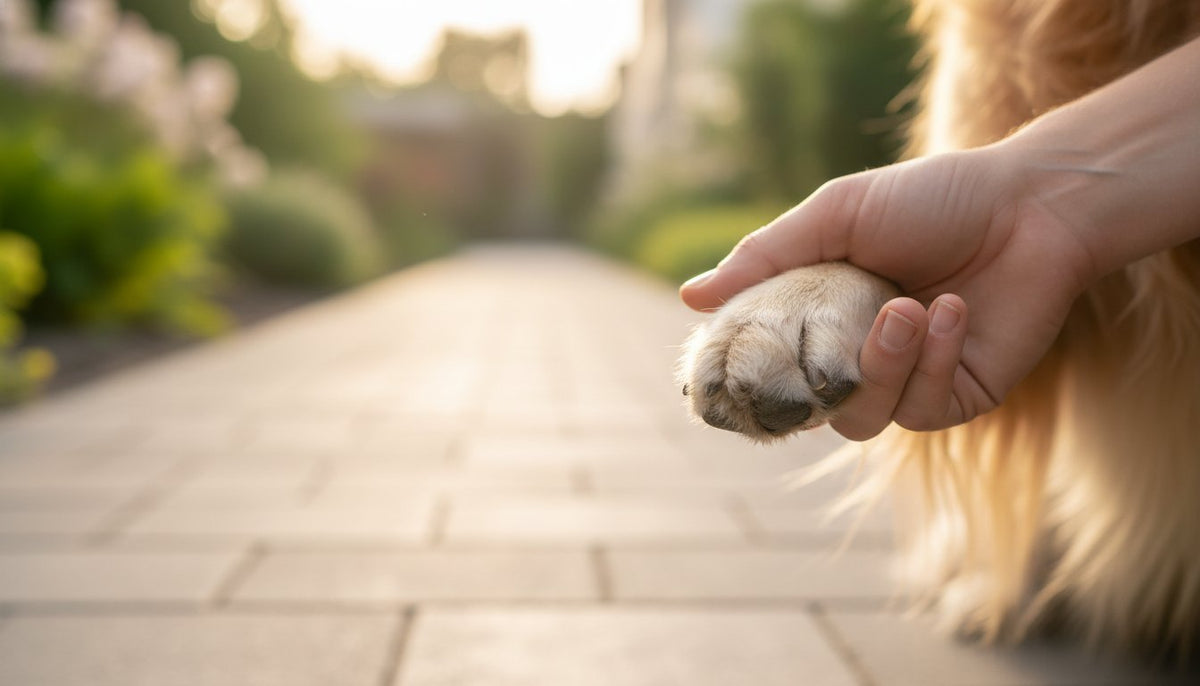
This is the most reliable tool in your summer toolkit. Press the back of your hand firmly against the pavement for seven full seconds. If the heat feels uncomfortable or you find yourself pulling away, the ground is far too hot for your pet. It's vital to test multiple spots. A sunny patch of asphalt can reach 125°F even when the air temperature is a mild 77°F. Always check shaded areas too, as heat lingers in dense materials long after the sun moves.
Alternative Surfaces for Summer Exercise
Not all paths are created equal. While dark asphalt is a heat magnet, light-colored concrete reflects more sunlight and stays slightly cooler. However, natural surfaces like grass and dirt trails are the safest choices for thermal regulation. These organic paths stay significantly cooler than synthetic ones. If you live in a city, look for "green corridors" or parks with plenty of tree cover. Avoid metal boat docks and artificial grass; these can reach temperatures exceeding 150°F in direct sun, causing immediate injury.
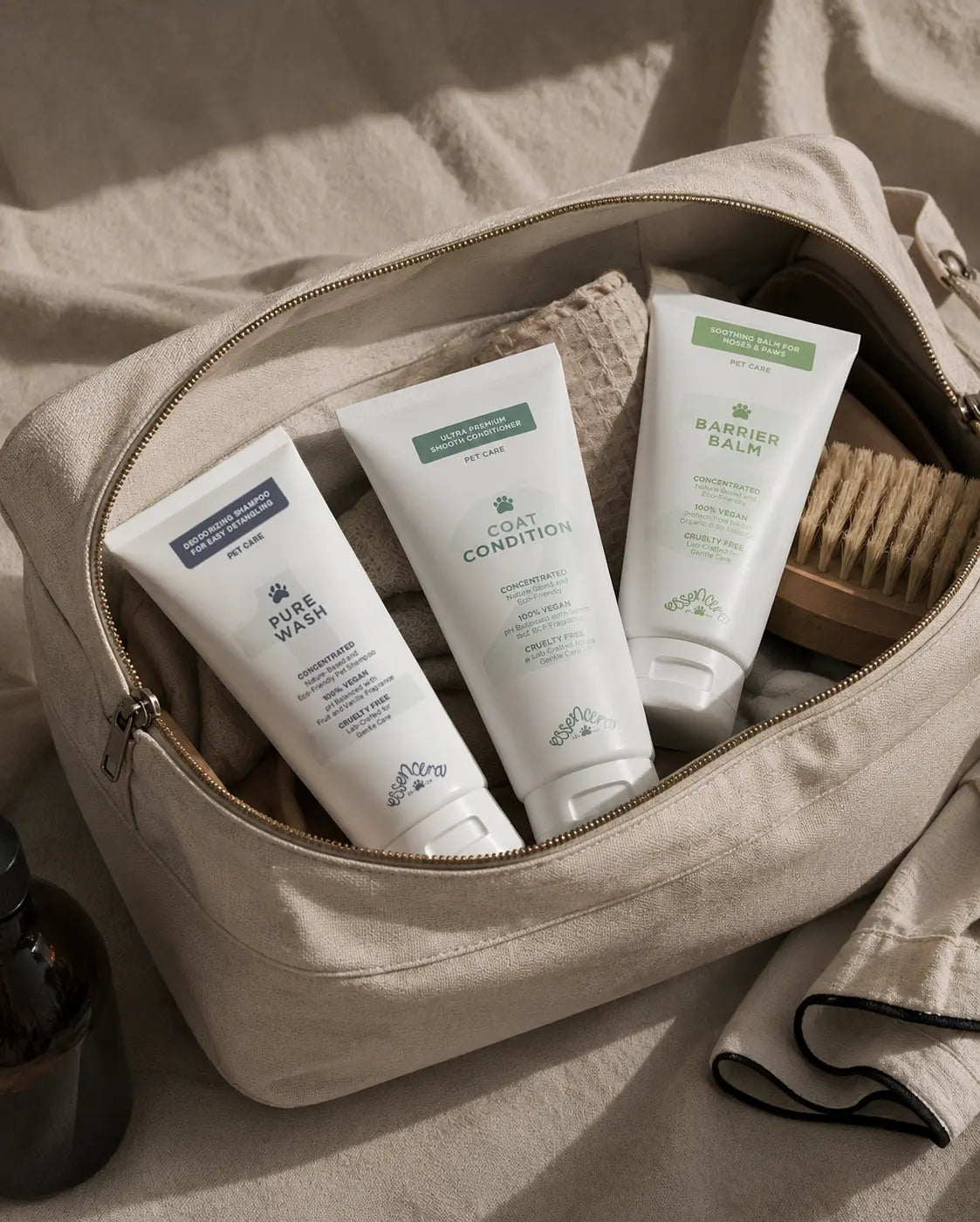
Timing your walk is just as vital as choosing the right path. Early morning walks before 8:00 AM or late evening strolls after the sun sets are the gold standard for summer safety. During these hours, the ground has had time to release stored energy. If you must head out during the day, use the "Shadow Walk" technique by staying strictly on shaded sidewalks or grass. For extra peace of mind, applying a thin layer of Barrier Balm before and after walks provides a soothing layer of plant-based protection for those delicate paws. This Greek-made formula uses clean ingredients to keep skin soft and resilient against the elements.
- Asphalt: Can be 40 to 60 degrees hotter than the air.
- Artificial Grass: Often reaches 150°F, which is hot enough to cause second-degree burns.
- Sand: Dry sand holds extreme heat; stick to the damp area near the water line.
- Metal: Boat docks and manhole covers are high-risk zones to avoid entirely.
Comparing Protection Methods: Dog Booties vs. Paw Balms
Choosing the right gear is a vital step in learning how to protect dog paws from hot pavement. Traditional booties act like shoes for humans; they create a thick physical wall between the sensitive paw pad and the scorching ground. While they provide high heat resistance, many dogs find them distressing. Dogs rely on their paw pads for sensory feedback and temperature control. Because dogs primarily sweat through their paws and nose, covering their feet with non-breathable materials can lead to overheating during a long walk.
The shift toward breathable barriers has changed how pet parents approach summer safety. A premium balm creates a flexible, invisible shield that doesn't interfere with a dog's natural movement. When you are selecting a product, the ingredient list is your most important tool. Avoid petroleum byproducts like paraffin or petrolatum. These heavy ingredients often sit on the surface and can clog pores. Instead, look for organic plant oils and waxes. These natural components nourish the skin while providing a resilient layer against the elements.
When to Choose Booties
Booties are the right choice for extreme conditions or specific environments. If you are hiking on sharp volcanic rock or walking when pavement temperatures exceed 145 degrees Fahrenheit, a physical boot provides necessary insulation. To help your dog adjust, start with short indoor sessions using plenty of positive reinforcement. Reward them with high-value treats every time they let you touch their paws or slip a boot on. Be mindful of disposable rubber booties. While they are convenient for short trips, they often contribute to environmental waste and can take decades to break down in a landfill.
The Benefits of a Natural Barrier
A high-quality balm allows for natural thermoregulation. This means your dog can still release heat through their pads while staying protected from warm surfaces. It is also important to choose non-slip formulas for safety. Traditional oils can be slippery on hardwood floors, but a well-formulated product absorbs quickly to provide grip. Our Barrier Balm provides a plant-based shield without the bulk of boots. It uses cosmetic-grade ingredients to keep paws soft and resilient during every summer stroll. This approach ensures you know exactly how to protect dog paws from hot pavement without sacrificing your pet's comfort or natural cooling abilities.

Immediate Care for Burned or Irritated Paw Pads
Even when you're careful about how to protect dog paws from hot pavement, accidents can happen during the peak of summer. If your dog begins limping, licking their feet, or showing darkened, red paw pads, you must provide relief right away. Start by cooling the area using room-temperature water for at least 10 minutes. This simple step helps stop the heat from penetrating deeper into the sensitive tissue of the pads.
You should never use ice or freezing water on a suspected burn. Extreme cold constricts blood vessels and can cause further tissue damage or even send your dog into shock. Instead, use a gentle stream of cool water or a damp towel. If you see visible blisters, charred skin, or if your dog refuses to put weight on the limb, skip home care and visit a veterinarian immediately. Veterinary data indicates that 60 percent of paw burns require professional antibiotics to prevent secondary infections from ground bacteria and road grime.
Gentle Cleansing for Sensitive Paws
Road grime and heat-trapping oils often linger on the skin, causing ongoing irritation long after the walk ends. Using a product with gentle, coconut-derived surfactants is essential for removing these triggers without stripping the natural moisture barrier. Calm Wash is the ideal choice for this delicate task because it uses a concentrated, plant-based formula designed for the most sensitive skin. Instead of a heavy scrub, try a soothing paw soak. Mix a small amount of the paste into a basin of lukewarm water and let your dog stand in it for 3 minutes. This allows the ingredients to lift away allergens while calming the skin surface.
Soothing the Burn Naturally
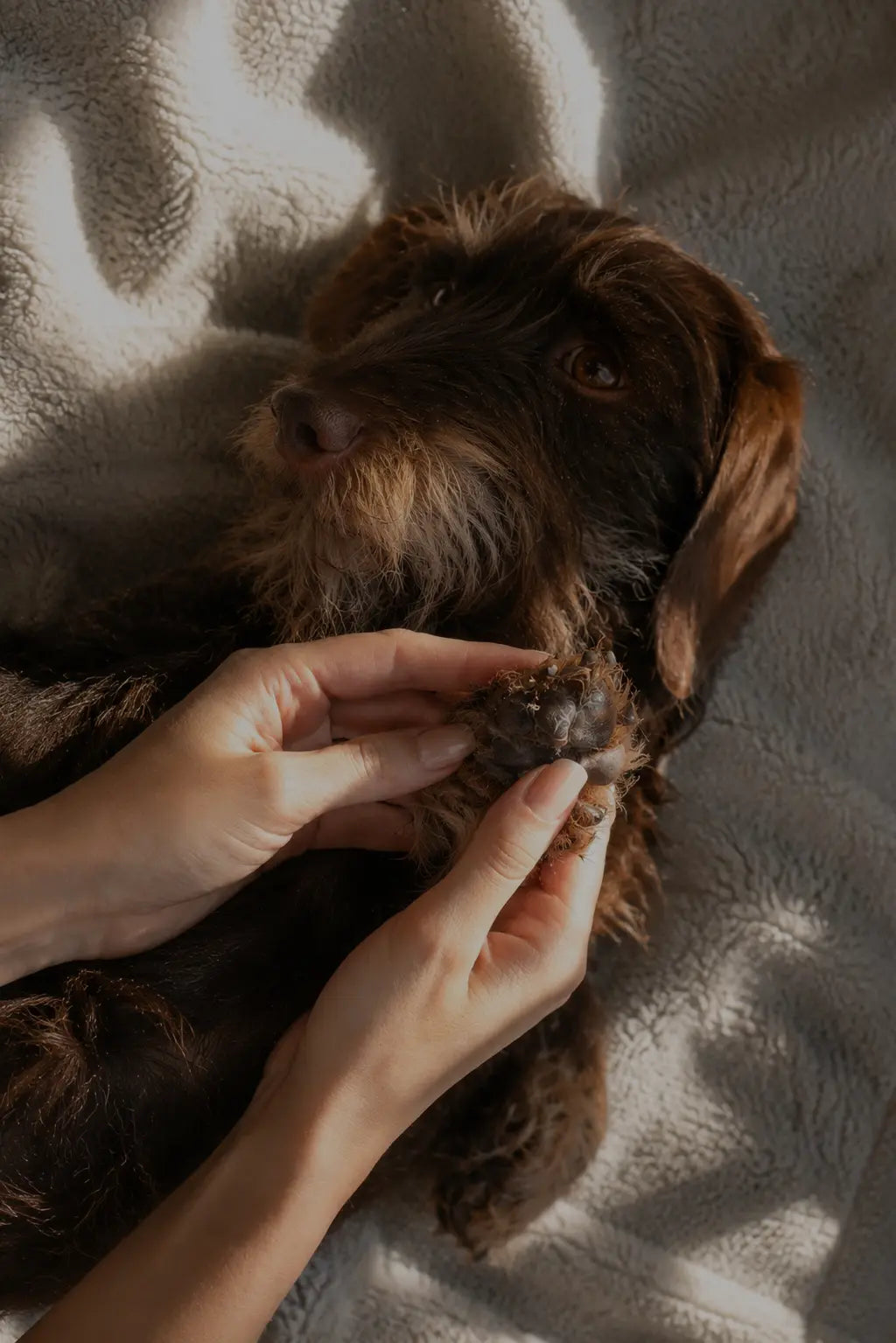
Once the paws are clean and cool, focus on reducing inflammation with plant-based ingredients like calendula or aloe. These botanicals provide a natural cooling sensation that supports the healing process. Avoid any products containing synthetic fragrances or artificial dyes; these chemicals often act as irritants on broken or sensitive skin. To ensure the treatment stays effective, you'll need to prevent your dog from licking their paws. Use a soft recovery collar or clean cotton socks to keep the area protected while the nutrients absorb. It's vital to remember that learning how to protect dog paws from hot pavement includes having a first-aid plan ready with clean, non-toxic topicals.
Give your pet the relief they deserve with our dermatologist-inspired, plant-based formulas.
Shop Calm Wash for Sensitive PawsLong-Term Paw Health with Essencera Barrier Balm
Learning how to protect dog paws from hot pavement is about more than just avoiding mid-day walks; it requires a proactive approach to skin health. At Essencera, we believe pet care should mirror the quality of premium human skincare. Our Greek-made formulas follow strict European standards, ensuring your dog receives plant-based luxury instead of watered-down fillers. We choose cosmetic-grade ingredients because your dog deserves the same level of safety and efficacy that you expect for yourself.
The Science of the Barrier Balm
Our Barrier Balm isn't a heavy wax that traps heat or clogs pores. It's a sophisticated, breathable shield designed for the unique physiology of a dog's paw. We use hyaluronic acid to pull moisture deep into the skin and specific amino acids to support the repair of the keratin layer. This combination helps heal the micro-cracks caused by sizzling asphalt and dry summer air.
One of our biggest advantages is our concentrated paste formula. By using less water, we provide more care in every jar. This high concentration means you get better value than competitors' diluted products. For pet parents who love exploring, our Travel Fresh Bundle ensures you have this essential protection ready for every hike or city stroll. Our formulas are always free from harsh sulfates and artificial dyes, keeping the focus entirely on pure, natural recovery.
A Simple Summer Routine
Creating a daily ritual helps you monitor your dog's paws while deepening your bond. Follow these two steps to maintain healthy pads all season long:
- Step 1: Cleanse with Pure Wash. After your walk, use Pure Wash to remove environmental irritants, salt, and residual heat. It uses gentle coconut-derived surfactants to clean without stripping natural oils.
- Step 2: Apply Barrier Balm. Massage a small amount of balm into the pads to lock in hydration. This preps the skin for the next outing and keeps the keratin layer resilient.
Consistency ensures happy tails and healthy paws. When you turn grooming into an act of love, it stops being a chore and becomes a meaningful moment of connection. Understanding how to protect dog paws from hot pavement through regular care ensures your best friend stays comfortable and ready for play, no matter how high the temperature climbs this summer.
Step Into Summer With Confidence and Care
When the air temperature hits 86 degrees, asphalt can reach a blistering 145 degrees in under 60 minutes. This reality makes the 7-second touch test an essential daily habit for every pet parent. If you can't hold your hand comfortably on the ground, your dog's sensitive pads are at immediate risk of thermal burns. Learning how to protect dog paws from hot pavement starts with simple awareness and timing your walks for the early morning or late evening hours.
Providing a physical shield is the next vital step for year-round paw health. Our Barrier Balm is a dermatologist-inspired, plant-based luxury made in Greece to high European standards. It's a concentrated formula that's entirely free from synthetic fragrances and harmful chemicals. By applying this soothing layer, you turn a routine safety check into a meaningful act of love. You'll have peace of mind knowing your pup's paws stay soft and shielded against the elements.
Protect your pup with our organic Barrier Balm
You're now ready to enjoy the sunshine while keeping your best friend safe and comfortable on every path you choose together.
Frequently Asked Questions
Is it okay to walk my dog on the sidewalk if it is 80 degrees out?
You should exercise extreme caution because an air temperature of 80 degrees can cause asphalt to reach a scorching 125 degrees in direct sunlight. At this temperature, skin destruction can occur in only 60 seconds of contact. Always use the 7 second rule by pressing the back of your hand to the ground. If it's too hot for your hand to stay there for a full 7 seconds, it's far too hot for your dog's paws.
How can I tell if my dog’s paws are burned from the hot ground?
Visible signs of paw burns include deep redness, swelling, or the appearance of fluid filled blisters. You might notice your dog limping, refusing to walk, or licking their paws intensely after a summer stroll. In severe cases, the dark pigment of the paw pad may actually peel away. If you see these symptoms, it's vital to cool the paws with room temperature water and contact your veterinarian immediately.
What is the best thing to put on a dog’s paws for protection?
The most effective way to learn how to protect dog paws from hot pavement is by applying a dedicated protective layer like Barrier Balm. Our Greek made, plant based formula creates a soothing shield that stays on the skin rather than soaking away instantly. This cosmetic grade balm uses organic ingredients to hydrate the pads while offering a natural defense against the 135 degree temperatures often found on urban sidewalks during July and August.
Can I use human lotion or Vaseline on my dog’s burnt paws?
You should avoid using human lotions or Vaseline because they often contain chemicals that aren't safe for dogs to ingest when they lick their paws. Human products are formulated for a different pH level and can make the paw pads too soft, which actually increases the risk of future burns and tears. Instead, choose a non toxic, lick safe option like Barrier Balm to ensure your pet stays safe while their skin heals naturally.
How long does it take for a dog’s paw pads to heal from a burn?
A dog's paw pads typically take between 7 and 21 days to fully heal depending on the severity of the burn. Minor thermal injuries might show improvement within a week, but deep burns that involve blistering require a longer recovery period for the tissue to regenerate. During these 3 weeks of healing, it's essential to keep your dog on soft surfaces and use a gentle balm to prevent the new skin from cracking.
Will paw balm make my dog slip on hardwood floors?
High quality balms won't cause slipping if they're formulated with concentrated, plant based ingredients that absorb efficiently into the skin. Unlike watered down products, our Barrier Balm is a rich paste that provides grip once it's massaged into the pads. It's designed to make grooming feel like care by nourishing the skin without leaving a greasy residue. This ensures your dog can move confidently across your home after their application.
How often should I apply paw balm during the summer months?
For the best results, you should apply a protective balm 2 times every day during the peak summer season. Applying it once in the morning before the sun reaches its zenith and once at night allows the organic ingredients to deeply hydrate the skin. Consistent use helps build a resilient barrier. Knowing how to protect dog paws from hot pavement starts with this daily routine to keep the skin supple and less prone to heat damage.
Are some dog breeds more sensitive to hot pavement than others?
Puppies and senior dogs are 30 percent more likely to suffer from pavement burns because their paw pads are thinner and less calloused than active adults. Brachycephalic breeds, such as French Bulldogs, are also at higher risk because they struggle to regulate their internal temperature while standing on hot surfaces. Regardless of the breed, any dog that spends 90 percent of its time indoors will have softer, more vulnerable pads that require extra protection during outdoor adventures.