Why Does My Dog Get Greasy So Fast? Causes and Solutions
What if that slick, heavy sheen on your dog's fur is actually a cry for hydration rather than a simple case of excess oil? If you find yourself wondering, "why does my dog get greasy so fast?", you are certainly not alone. It is deeply frustrating to give your pup a thorough wash, only to feel that sticky film and familiar doggy odor creep back just two or three days later. You might even worry that their overactive coat signals an underlying allergy, especially when frequent baths only seem to speed up the greasiness.
The good news is that you do not need harsh chemical strippers to break this exhausting cycle. Discover why your dog develops an oily coat so quickly and how to restore lasting freshness naturally. Ahead, we walk through the biological and environmental triggers behind rapid sebum buildup, unpack how stripped skin leads to an intense oil rebound, and share how a gentle bathing routine can restore a soft, clean, and genuinely touchable coat.
Key Takeaways
- Uncover the biological reasons behind why does my dog get greasy so fast, from essential lipid production to stressed sebaceous glands.
- Learn how frequent bathing with harsh, stripping cleansers triggers a protective oil rebound that accelerates greasy buildup.
- Discover why replenishing the skin barrier with a gentle conditioner is an essential step to tell overactive oil glands to rest.
- Spot the critical differences between routine surface oiliness, environmental allergies, and underlying endocrine issues like hypothyroidism.
- Establish a gentle, balanced coat care routine designed to restore long-lasting freshness, softness, and skin comfort naturally.
Understanding Why Dogs Produce Sebum and When It Becomes Excessive
Every dog relies on natural oils to keep their coat glossy and their skin resilient. At the base of every hair follicle, microscopic glands secrete a rich, complex mixture of lipids known as sebum. Learning about biological sebaceous glands and sebum production helps us appreciate how vital this natural oil really is. In a healthy pup, sebum spreads outward along each hair shaft, forming a breathable shield that locks in essential moisture and repels environmental dirt.
There is a distinct difference between a soft, lustrous shine and abnormal greasy seborrhea. A healthy coat feels smooth and airy to the touch. When excessive oil takes over, petting your dog leaves a heavy, slick residue on your fingertips accompanied by a waxy film. If you catch yourself asking, "why does my dog get greasy so fast?", you are likely witnessing an overactive defense response rather than typical coat conditioning.
The Vital Role of the Canine Skin Barrier
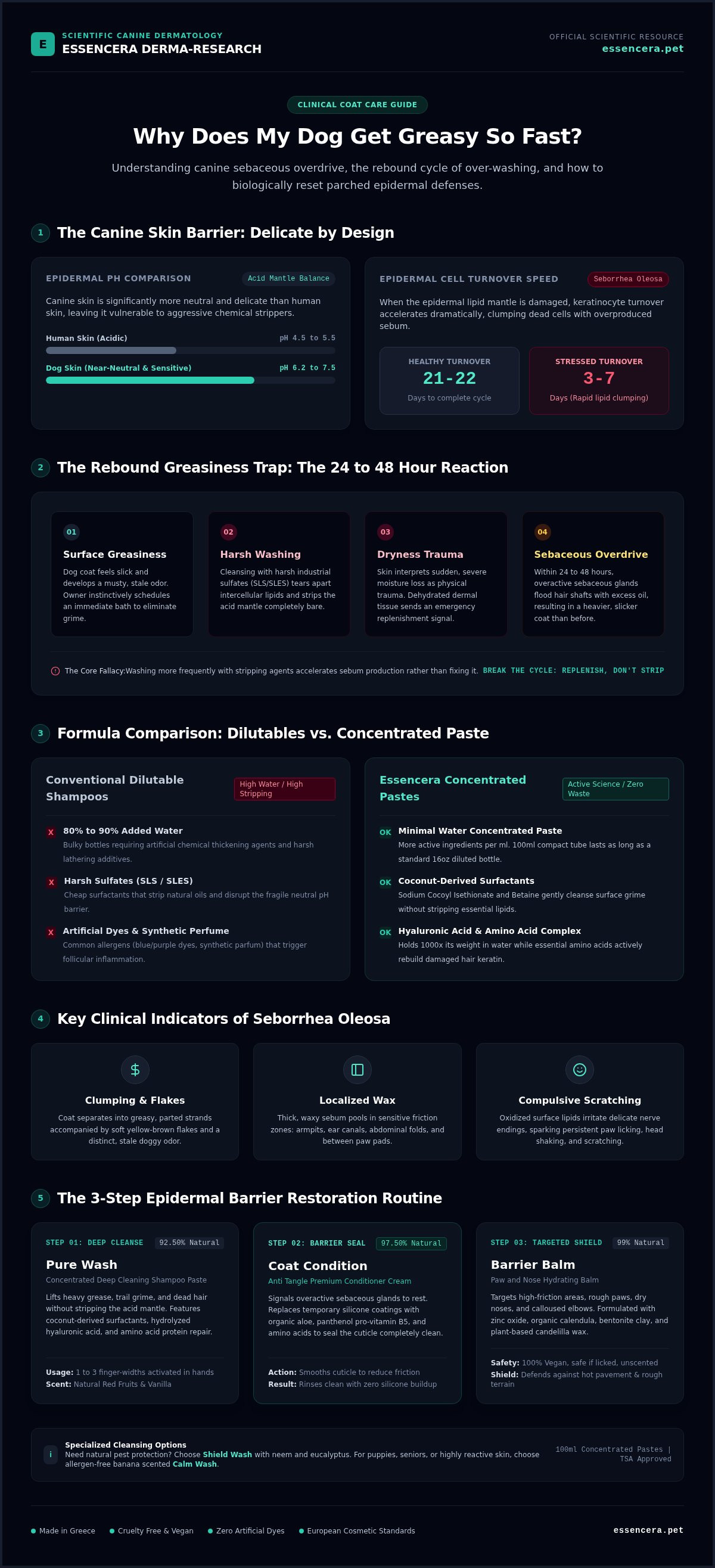
Canine skin is surprisingly delicate. While human skin maintains an acidic acid mantle with a pH between 4.5 and 5.5, a dog's skin sits in a near-neutral range between 6.2 and 7.5. Surface lipids seal hydration deep inside the epidermal layers and prevent microscopic tears. Without this lipid layer, environmental allergens and moisture-depleting bacteria can easily penetrate the skin barrier.
Signs Your Dog Has Seborrhea Oleosa
When sebum production spirals out of balance, a condition called seborrhea oleosa develops. In healthy skin, the epidermal cell turnover cycle takes roughly 21 to 22 days. When stressed, this cycle speeds up dramatically to just 3 to 7 days, causing dead cells and oil to accumulate in visible ways:
- Clumping and Odor: Fur clumps into greasy strands, accompanied by soft yellow-brown flakes and a distinct, stale doggy smell.
- Localized Wax: Thick, waxy build-up concentrates in sensitive friction areas like the armpits, inner ears, belly folds, and around paw pads.
- Persistent Discomfort: Excessive oil oxidizes and irritates the surface, sparking relentless scratching, paw licking, and head shaking.
Recognizing these early signs ensures you can address the root cause of the discomfort with soothing, restorative care before secondary irritations take hold.
The Rebound Greasiness Trap: How Over-Washing Makes Coats Oilier
When your dog starts feeling oily and smelling musty just a few days after a bath, your first instinct is probably to reach for the shampoo bottle again. It feels logical to wash away the grime as soon as it appears. Yet frequent scrubbing often leads straight into a frustrating cycle where the greasiness returns faster each time. Understanding this rebound effect answers the confusing question of why does my dog get greasy so fast despite your best grooming efforts.
Traditional pet shampoos are often composed of 80% to 90% water, requiring heavy chemical detergents to create lather. When these aggressive washes strip away the protective lipid mantle, the skin loses its natural hydration shield. Dehydrated skin interprets this sudden dryness as trauma. Within 24 to 48 hours post-bath, sebaceous glands receive an urgent signal to pump out replacement oils, resulting in a heavier, slicker coat than before.
How Harsh Surfactants Trigger Sebaceous Overdrive
Most commercial formulas rely on cheap industrial detergents like sodium lauryl sulfate (SLS) and sodium laureth sulfate (SLES). While these sulfates lift surface oils quickly, they also tear apart the intercellular lipids that bind epidermal cells together. Veterinary research into safe bathing practices and skin barrier health highlights how chronic over-washing disrupts dermal defenses and encourages microbial flare-ups. Synthetic perfumes and synthetic coloring agents add insult to injury, irritating vulnerable follicles and prompting even greater sebum output to soothe the inflammation.
Breaking the Cycle with Gentle Cleansing
Ending this reactive loop requires changing how you cleanse your dog's skin. Instead of stripping away every trace of oil, the goal is lifting debris while leaving essential lipids intact. Plant-based cleansers formulated with coconut-derived surfactants, such as sodium cocoyl isethionate, offer a nurturing path forward. Choosing a concentrated deep cleaning shampoo paste enriched with moisture-binding hyaluronic acid and keratin-rebuilding amino acids helps soothe parched tissue during bath time.
When you nourish the epidermal barrier rather than stripping it bare, your dog's sebaceous glands no longer need to work in emergency overdrive. If you are ready to bring balance back to bath time, exploring botanical care designed to protect the coat barrier is the kindest first step you can take.
Common Triggers Behind Rapid Oil Buildup in Dogs
Excess coat oil rarely appears without a clear biological trigger. While an improper bathing routine often sparks surface dryness, internal and environmental factors frequently drive recurring grease. Clinical research regarding canine seborrhea and keratinization disorders divides abnormal oiliness into two distinct categories: primary and secondary. Primary seborrhea is an inherited, lifelong trait seen in breeds like Cocker Spaniels and Basset Hounds. Secondary seborrhea represents the vast majority of cases, serving as a visible distress flare for underlying bodily imbalances.
Environmental allergies represent 30% to 40% of all dermatological canine vet visits. When microscopic pollen, dust mites, or mold spores irritate the skin, inflammatory signals instruct the sebaceous glands to flood the coat with oil. If you wonder why does my dog get greasy so fast during seasonal transitions, an overactive immune response is frequently the culprit.
Yeast Overgrowth and Secondary Bacterial Infections
Up to 60% of dogs with chronic greasy seborrhea develop secondary infections caused by Malassezia pachydermatis yeast or Staphylococcus bacteria. These microscopic organisms naturally live on canine tissue, but they feast on lipid pools. As yeast multiplies, it creates an intense, sweet corn chip smell and triggers fiery redness. When greasy residue clusters heavily inside deep skin folds, around the groin, or between the toes, a veterinarian should evaluate a skin scrape to rule out microbial blooms.
Dietary Triggers and Fatty Acid Deficiencies
What goes into your dog's bowl directly shapes their coat texture. Diets high in processed carbohydrates and low-quality rendered fats starve dermal cells of crucial nourishment. Without balanced omega-3 and omega-6 fatty acids, the epidermal matrix weakens. The body attempts to compensate for this internal lack of hydration by pumping out excess, low-grade sebum at the follicle level.
Outdoor Exposure, Pests, and Seasonal Shifts
Active days outside bring unique challenges. Trail grit, mud, and fluctuating humidity weigh down the coat, prompting follicles to produce extra defensive oils. Biting parasites like fleas and ticks also provoke localized inflammation that speeds up grease production. Shielding your pup with a botanical flea and tick deterrent formulated with neem seed oil, peppermint, and spearmint cleans away stubborn trail debris while keeping pesky critters at bay naturally.
How to Reset Your Dog Coat Care Routine
Resetting an overactive coat begins with stepping back from frequent wash cycles. Bathing every three or four weeks is generally ideal for maintaining epidermal balance unless outdoor adventures demand an earlier spruce-up. Before entering the tub, always brush through the coat using a slicker or pin brush. Gentle brushing aerates congested undercoats, lifts trapped dander, and separates mats without scratching sensitive skin. If you still catch yourself asking why does my dog get greasy so fast, small tweaks to your wash technique can make a dramatic difference.
Why Light Conditioning Prevents Compensatory Oil
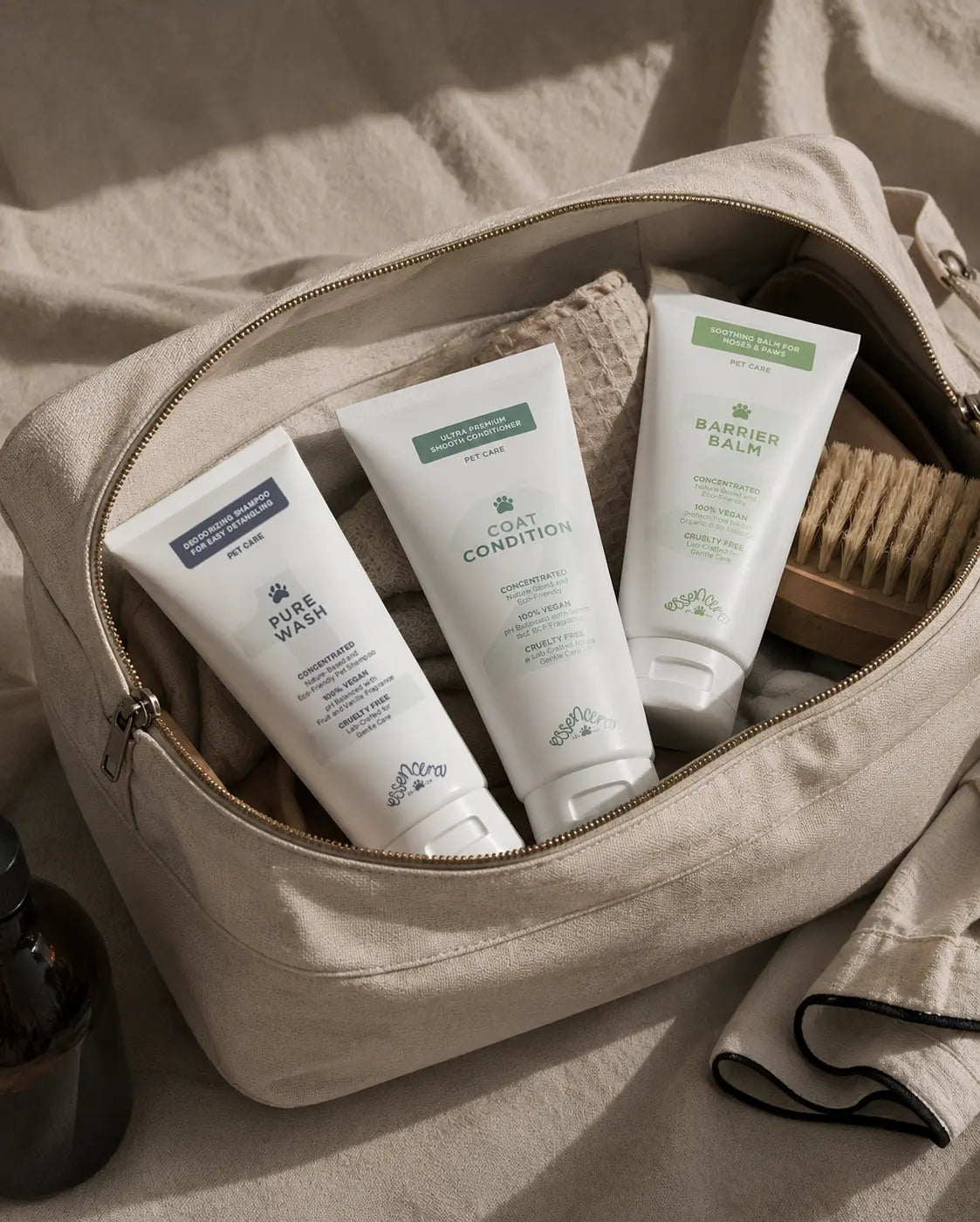
Skipping conditioner seems logical when fur already feels oily, but this common habit actually fuels greasiness. When hair cuticles dry without moisture, the skin attempts to self-hydrate by pumping out heavy sebum. Replenishing dermal cells with our anti tangle premium conditioner breaks this cycle. Formulated with organic aloe, panthenol (provitamin B5), and a water-soluble amino acid complex, it delivers breathable hydration that absorbs quickly without coating fur in greasy silicones. Telling the sebaceous glands that the barrier is secure stops compensatory oil spikes before they start.
Step by Step Bathing Technique for Lasting Freshness
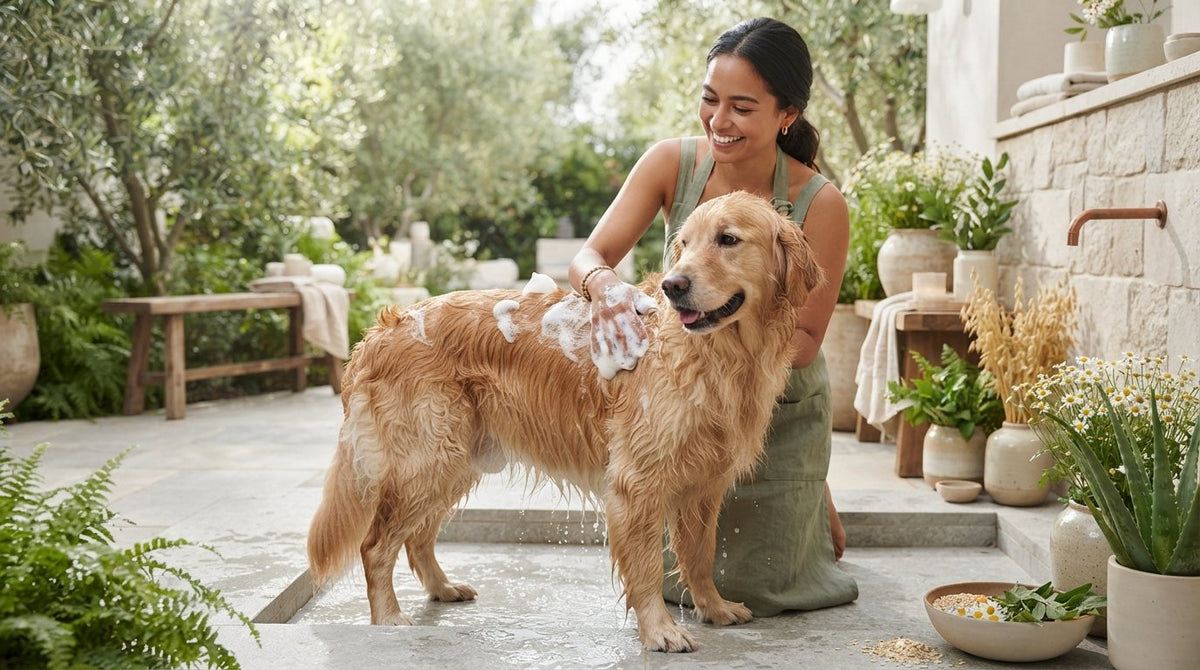
Water temperature plays an enormous role in follicle health. Always bathe your dog with lukewarm water, as hot water inflames capillaries and stimulates follicular oil release. Because concentrated formulas contain minimal water, take one to three finger-widths of paste and rub it between wet palms to activate a gentle lather before massaging it into your dog's wet coat. Rinse thoroughly from roots to ends until the runoff is crystal clear. Leftover product residue can trap grime and cause surface itching.
Targeted Soothing for Sensitive Areas and Paws
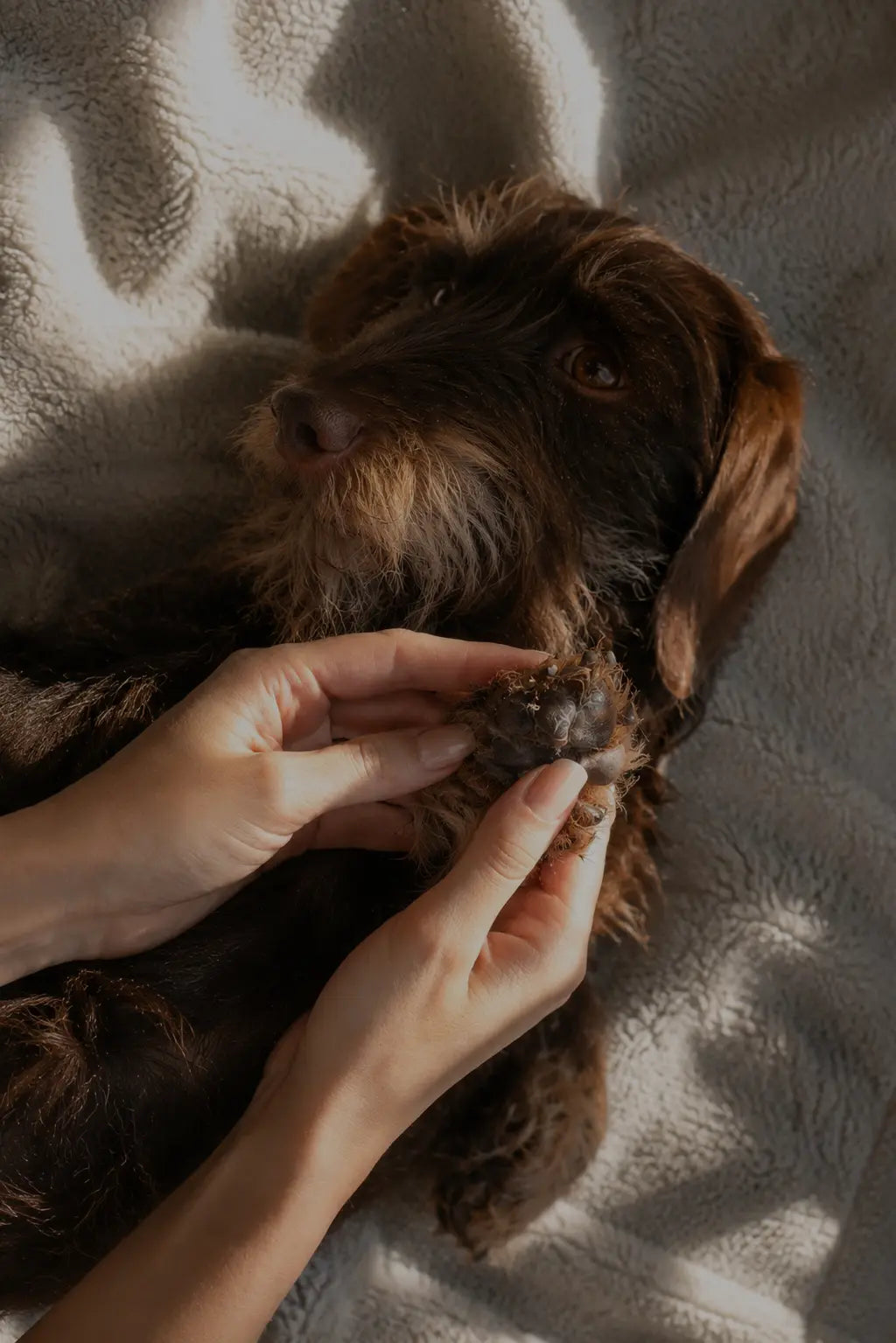
Friction areas like paw pads, armpits, and facial folds need dedicated care. Check between toes for grit or salt that can cause micro-tears and invite irritation. Massaging our nourishing balm for helping and hydrating skin onto dry paws and noses creates a soothing barrier using natural zinc oxide and organic calendula.
Ready to restore lasting freshness and velvety softness to your pup's coat? Explore Essencera's botanical pet care collection to bring pure, salon-level comfort into your home grooming routine.
When to Consult a Veterinarian and Long-Term Coat Care Solutions
Most oily coat dilemmas resolve once you stop stripping the skin barrier, but topical care cannot solve every challenge alone. If you have adjusted your routine and still find yourself asking, "why does my dog get greasy so fast?", your dog's coat might be signaling an internal medical issue. Knowing when to partner with your veterinarian gives you peace of mind and ensures your companion gets the targeted care they deserve.
A classic diagnostic clue involves whether the greasiness comes with itching. An oily coat accompanied by intense scratching usually points toward environmental allergies, fleas, or yeast blooms. In contrast, an intensely greasy coat without itching often signals an endocrine imbalance. Conditions like hypothyroidism or Cushing's disease frequently manifest as bilateral, symmetrical thinning fur, unexpected weight gain, sluggish energy, and a heavy seborrheic odor. Your veterinarian can run quick blood panels, skin scrapes, and surface cytology to pinpoint the underlying cause.
Recognizing Systemic Health Concerns
Schedule a clinical exam if you notice circular hair loss, thick crusting, oozing hot spots, or dramatic shifts in your pup's mood. Treating an underlying hormonal or fungal problem will quickly bring their sebum levels back into balance. When bathing a recovering rescue, a fragile puppy, or an older dog whose skin is naturally thinning, gentle handling is essential. Washing with a nurturing paste designed for sensitive skin and seniors offers comforting relief. Formulated with organic calendula, jojoba oil, and soothing inositol, it gently cleanses delicate tissue without triggering reactive irritation.
Sustainable Habits for a Naturally Balanced Coat
Cultivating long-lasting skin comfort is built on simple, loving daily habits rather than endless baths. You can easily protect your dog's natural lipid balance by following a few mindful steps:
- Weekly Line Brushing: Dedicate five minutes each week to brushing through the undercoat. This lifts away dead shedding hair, distributes natural oils evenly, and aerates the follicles.
- Post-Walk Wipe Downs: Keep a soft, damp cloth near the front door to gently clean paws and bellies after outdoor walks. This removes street soot and trail dust without disturbing dermal hydration.
- Nutritious Internal Support: Feed a high-quality, moisture-rich diet packed with clean proteins and balanced omegas to nourish developing epidermal cells from the inside out.
Pairing thoughtful lifestyle habits with pure, restorative grooming formulas keeps your dog feeling fresh, deeply comfortable, and ready for every snuggle.
Embrace a Fresh, Naturally Balanced Coat
Finding a real answer to why does my dog get greasy so fast comes down to looking past surface oil and supporting your dog's skin from the foundation up. When you stop stripping away delicate lipids with aggressive detergents, overactive sebaceous glands can finally step down from emergency mode. A mindful routine built on gentle bathing, replenishing conditioner, and clean daily habits turns grooming into an act of love rather than a temporary fix.
Every dog deserves skin that feels calm, comfortable, and naturally fresh. By choosing cruelty-free, vegan grooming pastes developed under strict European quality standards, you give your companion the purposeful care they need. Formulations crafted with gentle coconut-derived cleansers protect the natural lipid barrier, while restorative amino acid complexes and hyaluronic acid deliver weightless hydration that keeps coats soft for days. Take the first step toward lasting freshness today and Restore balance to your dog coat with pure botanical care.
Frequently Asked Questions
Why does my dog get greasy and smelly only a few days after a bath?
Your dog gets greasy quickly because aggressive washing strips their natural lipid barrier, triggering a rapid rebound of protective sebum. If you wonder why does my dog get greasy so fast, dehydrated sebaceous glands often overcompensate within 48 hours to restore lost moisture. When this fresh oil mixes with normal skin flora and environmental dust, an unpleasant odor develops. Switching to a gentle, non-stripping cleanser keeps their protective oils balanced and stops this cycle.
Can bathing my dog too frequently cause their fur to get oily faster?
Yes, frequent washing strips away the vital protective oils that canine skin needs to stay hydrated. When shampoos remove these lipids too often, the skin panics and signals sebaceous glands to produce oil at an accelerated rate. This creates a vicious cycle where each bath causes greasiness to return even quicker. For most pups, spacing baths three to four weeks apart allows the epidermal barrier to stabilize and rest.
Should I use conditioner on a dog that already has a greasy coat?
Yes, using conditioner is essential because it restores breathable hydration to the skin, signaling sebaceous glands to slow down oil production. Skipping this step leaves the skin thirsty, which actually accelerates oil production. Applying our anti tangle premium conditioner delivers weightless amino acids and soothing organic aloe without heavy silicones. It rinses completely clean, sealing the hair cuticle and leaving the coat soft rather than slippery.
What dog breeds are naturally prone to oily skin and seborrhea?
Breeds like Basset Hounds, Cocker Spaniels, English Springer Spaniels, and West Highland White Terriers have a genetic predisposition to primary seborrhea. Working water dogs such as Labrador Retrievers naturally produce denser lipid layers to repel moisture during outdoor work. For these oily-prone breeds, regular line brushing and gentle maintenance washes help keep follicle buildup manageable without inflaming their sensitive skin.
How do I know if my dog greasy coat is caused by a yeast infection?
A greasy coat caused by yeast overgrowth typically produces a distinct, pungent odor reminiscent of sweet corn chips or stale bread. You will usually notice intense itching, red inflamed skin, and sticky, yellow-brown wax inside ear canals, under armpits, or between paw pads. Yeast thrives on excess lipids, so persistent itching combined with oily fur warrants a visit to your vet for a quick surface cytology.
Can changing my dog diet help reduce excessive coat oiliness?
Yes, upgrading your dog's nutrition can noticeably balance sebum output from the inside out. Low-quality kibble loaded with refined starches and oxidized fats deprives dermal cells of essential nourishment. Adding balanced omega-3 and omega-6 fatty acids from clean sources strengthens the epidermal lipid barrier. When dermal cells stay naturally hydrated internally, sebaceous glands produce less compensatory grease at the surface.
What ingredients should I avoid in dog shampoos for greasy coats?
Avoid harsh sulfate detergents like sodium lauryl sulfate (SLS) and sodium laureth sulfate (SLES), which strip natural lipids and spark rebound oil. Steer clear of artificial dyes and synthetic fragrances that irritate sensitive hair follicles. Instead, look for coconut-derived surfactants and restorative hydrators. When a thorough reset is needed, choosing a botanical deep cleaning shampoo paste cleanses deeply without compromising the skin's protective mantle.