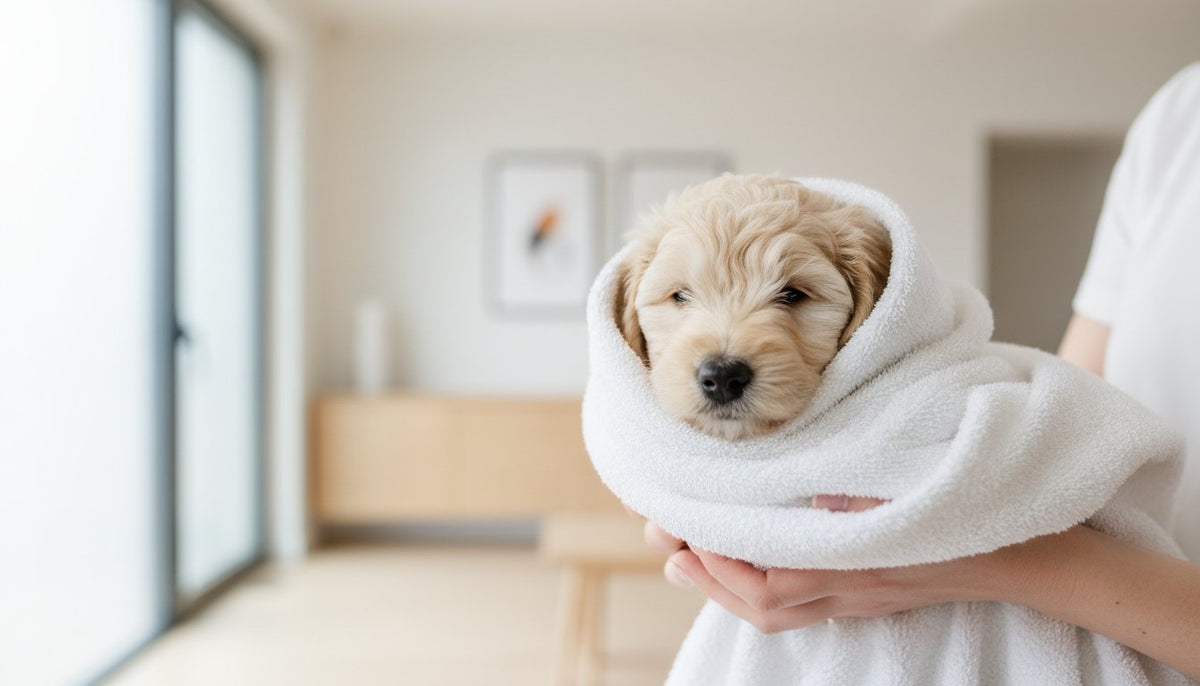
A Gentle Guide to Caring for a Hypo Puppy (Hypoallergenic)
That gentle pitter-patter of paws is one of your favorite sounds, but the constant jingle of a collar tag from scratching? That’s a sound that can break a pet parent’s heart. When you bring home a sweet hypo puppy, your world fills with love, but it can also fill with worry. You see their discomfort, feel overwhelmed by conflicting advice online, and fear that one wrong choice in food or shampoo could make their sensitive skin even more irritated. You simply want to see them happy and comfortable, without the stress and expense of complicated routines.
This guide is here to bring you peace of mind. We believe that caring for your sensitive companion should feel like a nurturing act of love, not a stressful chore. Together, we will gently explore the root causes of their sensitivities and uncover simple, kind ways to provide relief. From nourishing their bodies with the right diet to creating a soothing grooming ritual, you will gain the quiet confidence to care for your puppy from the inside out. Let’s begin the journey to a calm, happy, and comfortable life for your cherished friend.
Key Takeaways
- True comfort for your sensitive puppy often starts with their diet. Learn how specialized nutrition can soothe irritation from the inside out.
- A compromised skin barrier needs extra gentle care. Discover how kind grooming techniques can protect and soothe your puppy's delicate skin.
- Your home environment can hide common triggers for a sensitive hypo puppy. Identify and manage household irritants to create a truly safe haven.
- Turn bath time into a loving, stress-free ritual. Find our step-by-step guide to make your puppy’s first wash a gentle and positive experience.
Understanding the 'Hypo Puppy': Signs & Causes of Sensitivities
Welcoming a new puppy into your home is a journey of love and care. When pet lovers seek out a hypo puppy, they are often looking for a companion who is less likely to trigger their own allergies. However, it's just as important to understand that these puppies can have sensitivities of their own. To give them the best care, it's helpful to understand what is a hypoallergenic dog in the first place: it refers to breeds that produce fewer allergens, not zero. This same principle applies to your puppy’s well-being; their skin and digestive systems are delicate and can react to things in their new world.
It's also kind to distinguish between a true allergy and a sensitivity. An allergy is an immune system response, while a sensitivity or intolerance is often a less severe reaction, typically causing digestive upset or mild skin irritation. Both can cause discomfort, and identifying the signs early is the first step toward providing gentle relief.
Common Signs of Puppy Allergies
Your puppy communicates through behavior, and paying close attention can help you spot discomfort. Look for these gentle signals that your little one might be struggling with a sensitivity:
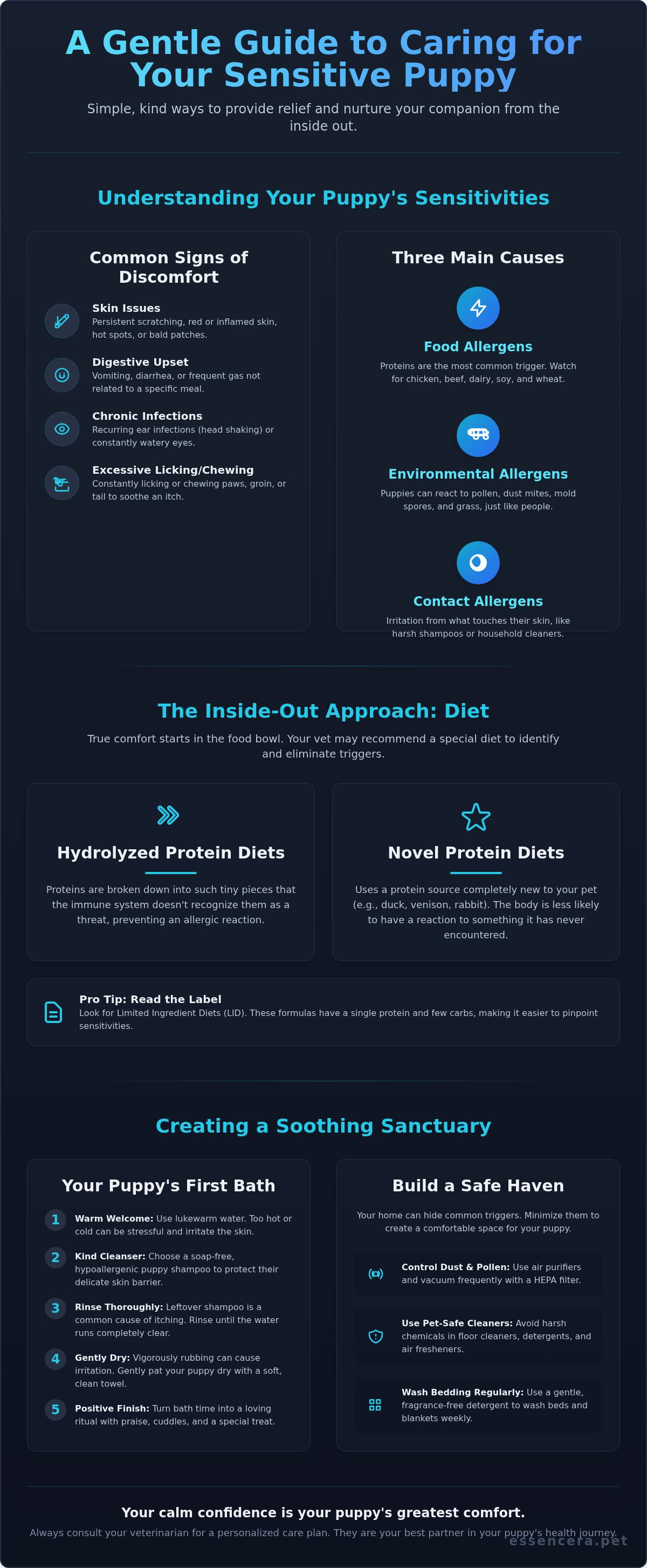
- Skin Issues: Persistent scratching, red or inflamed skin, bald patches, hot spots (moist, irritated areas), or even hives.
- Digestive Upset: Seemingly random episodes of vomiting, diarrhea, or frequent gas can be linked to a food sensitivity.
- Chronic Infections: Recurring ear infections, often identified by head shaking or dark discharge, and constantly watery or goopy eyes.
- Excessive Licking or Chewing: A puppy who constantly licks or chews their paws, groin, or tail base is often trying to soothe an itch.
Potential Causes: Food vs. Environment
Sensitivities in a young hypo puppy can stem from three main sources. The first two, food and environment, are the most common culprits. Pinpointing the cause is key to finding a gentle solution.
- Food Allergens: Proteins are often the trigger. Common sources include chicken, beef, dairy, soy, and wheat.
- Environmental Allergens: Just like us, puppies can react to pollen, dust mites, mold spores, and grass.
- Contact Allergens: Sometimes, the problem is what touches their skin. This can include harsh chemicals in shampoos, household cleaners, or even certain fabrics.
Because these signs can overlap with other health concerns, getting a proper diagnosis is essential for your peace of mind. Your veterinarian can provide the kindest, most effective path forward to ensure your puppy grows up happy, comfortable, and healthy.
The Inside-Out Approach Part 1: Calming Allergies Through Diet
When you notice your puppy is constantly scratching or has irritated skin, the path to relief often begins from within. Many veterinarians first recommend exploring diet, as what your pup eats is the foundation for their overall well-being. While many pet parents seek out less allergenic dog breeds to soothe human allergies, it's crucial to remember that any puppy can develop sensitivities to their food. Finding the right nutritional balance is a gentle, powerful act of care.
Important Note: This information is for educational purposes. Always consult your trusted veterinarian before making any changes to your puppy’s diet. They are your best partner in ensuring your pet's health and happiness.
Why Vets Recommend Special Diets
A special diet, often called an "elimination diet," is a careful process to discover what specific ingredient might be causing your puppy’s discomfort. The goal is to provide pure, simple nutrition to calm their system. Your vet may suggest one of two main types:
- Hydrolyzed Protein Diets: In these foods, proteins (like chicken) are broken down into such tiny pieces that your puppy’s immune system doesn't recognize them as a threat, preventing an allergic reaction.
- Novel Protein Diets: These diets use a protein source that is completely new to your pet, such as duck, venison, or rabbit. Since their body has never encountered it, it's far less likely to trigger a response.
Reading Pet Food Labels with Confidence
Understanding what’s in your puppy's bowl gives you peace of mind. As you explore options for your sensitive hypo puppy, here are a few key things to look for on the label:
- Limited Ingredient Diets (LID): These formulas contain a single protein source and just a few wholesome carbohydrates. With fewer ingredients, it’s much easier to identify potential triggers and provide gentle nourishment.
- Avoid Common Fillers: Many sensitive dogs react to common allergens like corn, wheat, and soy. Opting for clean, simple recipes free from these unnecessary fillers can make a world of difference.
- Omega Fatty Acids: Ingredients like flaxseed or fish oil are rich in omega-3 and omega-6. Think of these as an internal moisturizer, helping to build a strong, resilient skin barrier and promote a soft, healthy coat from the inside out.
The Inside-Out Approach Part 2: Soothing Skin with Gentle Grooming
While a nourishing diet builds skin health from within, gentle external care is just as vital for providing your puppy with immediate comfort. A puppy’s skin barrier is delicate and still developing. When it’s compromised by allergies, it becomes more vulnerable to environmental irritants like pollen, dust mites, and harsh chemicals, creating a cycle of itching and scratching. This is where a ‘less is more’ approach to grooming becomes essential, transforming a routine task into a soothing act of care.
Why Standard Puppy Shampoos Can Cause Irritation
Many shampoos, even those marketed for puppies, contain ingredients that can do more harm than good for sensitive skin. Instead of providing relief, they can strip the skin of its natural, protective oils, leading to dryness and further irritation. Key ingredients to avoid include:
- Harsh Chemicals: Sulfates and parabens can disrupt the skin's delicate microbiome and strip away moisture.
- Artificial Fragrances & Dyes: These are common contact allergens that can trigger an immediate reaction in a sensitive hypo puppy.
- Incorrect pH Balance: A dog's skin has a different pH than human skin. Using the wrong formula can disturb its natural acid mantle, which acts as a protective shield.
What to Look For in a Hypoallergenic Puppy Shampoo
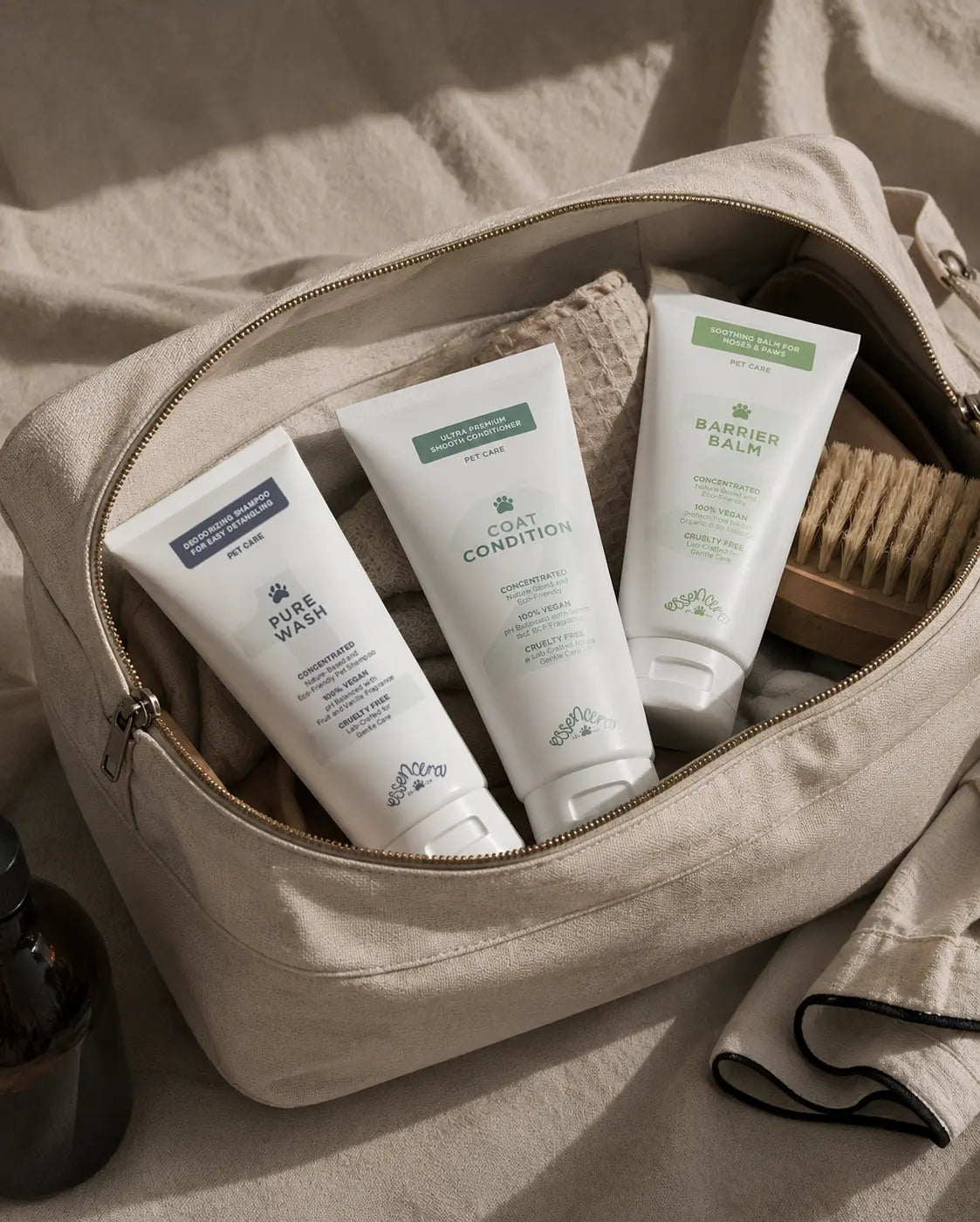
Choosing the right shampoo can make all the difference. Look for pure, plant-based formulas designed to calm and protect. Gentle, frequent bathing is a key part of learning how to reduce dog allergens in your home, which makes your product choice even more critical. Your puppy's first bath should be a calm, positive experience, creating a foundation of trust. Focus on formulas with soothing, natural ingredients like oatmeal, aloe vera, and chamomile, and always opt for fragrance-free or naturally scented options. For the most sensitive skin, our Gentle Start Bundle was made to provide peace of mind from day one.
Beyond the Bath: Daily Skin and Paw Care
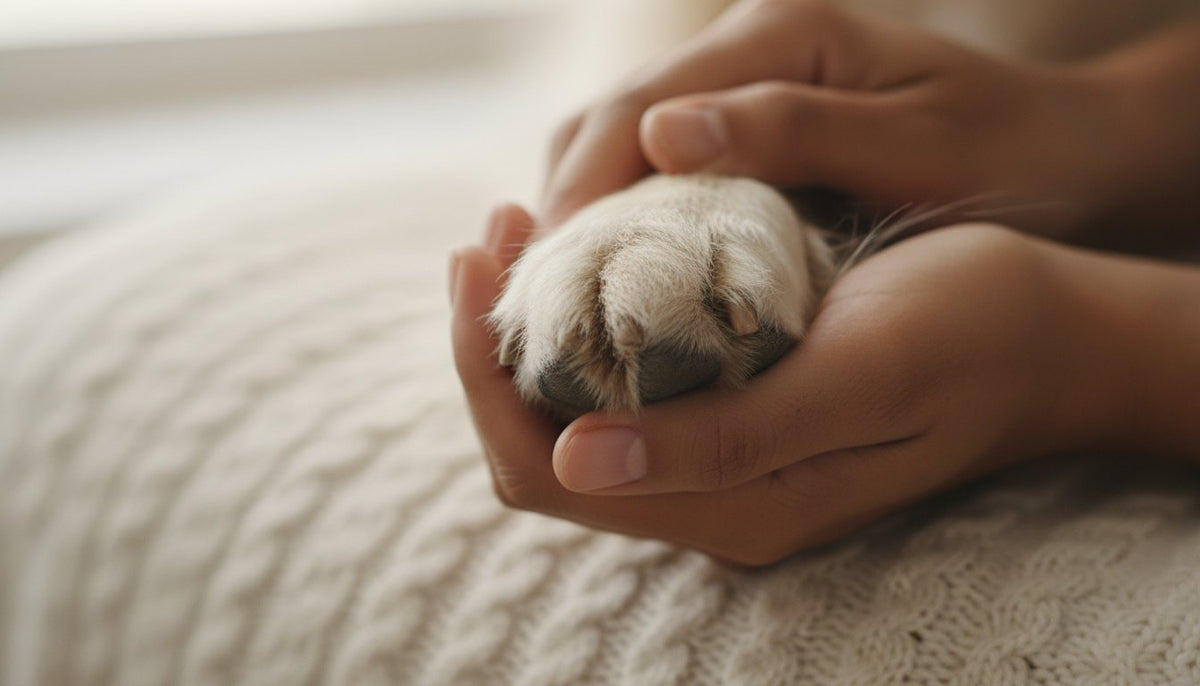
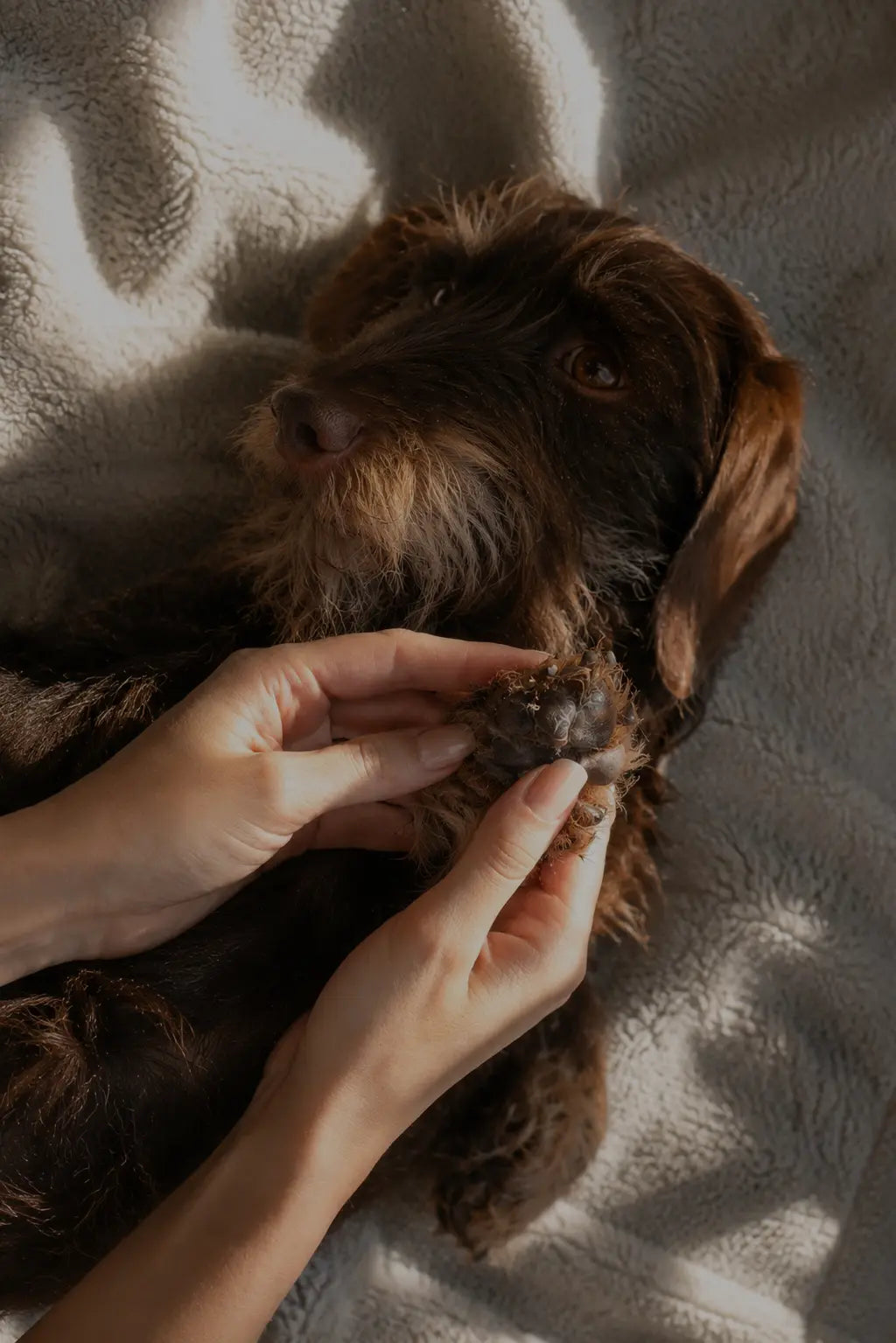
Allergies don’t just affect the coat; they often manifest in dry, cracked paws and irritated noses. These sensitive areas need daily attention to stay moisturized and protected from environmental triggers. It's important to never use human moisturizers, as their ingredients and pH levels are not safe for dogs. A gentle, natural balm can create a breathable barrier, locking in moisture and shielding the skin from irritants. Our Barrier Balm is perfect for soothing these tender spots, offering your hypo puppy kind, effective relief where they need it most.
Your Hypo Puppy's First Bath: A Step-by-Step Gentle Guide
A puppy’s first bath is a milestone, and for a sensitive hypo puppy, it’s an opportunity to build trust and show them that grooming is an act of love. The goal is to create a calm, positive experience that soothes their skin and strengthens your bond. By turning this routine into a gentle ritual, you can make bath time feel like care, not a chore.
Preparation is Everything
A calm puppy starts with a prepared owner. Having everything within arm's reach prevents scrambling and reduces stress. Before you bring your puppy near the water, gather your supplies to create a peaceful environment.
- Gentle, plant-based shampoo formulated for sensitive skin.
- Soft, absorbent towels (at least two).
- A non-slip mat for the tub to help your puppy feel secure.
- Lukewarm water, tested on your wrist to ensure it's comfortably warm, never hot.
The Bathing Process
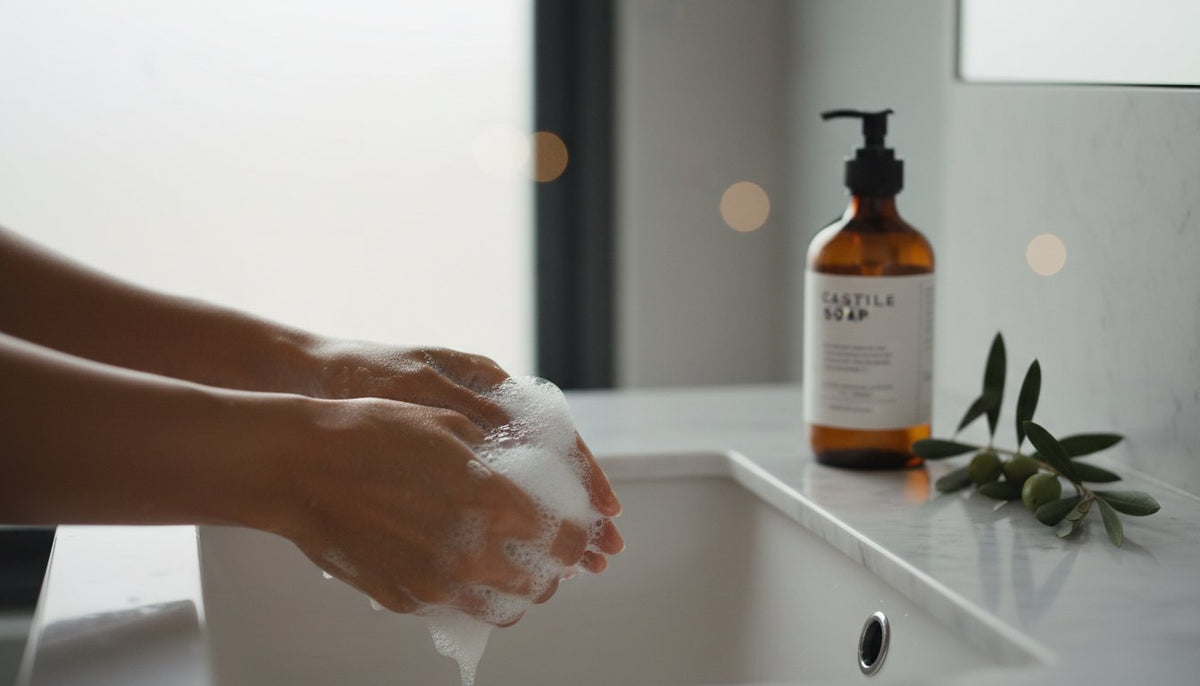
Speak in a soft, reassuring voice throughout the entire process. Start by thoroughly wetting your puppy’s coat with lukewarm water, being careful to avoid their eyes, nose, and ears. Lather gently with a pure, hypoallergenic shampoo like Essencera's Calm Wash, which is dermatologist-inspired and free from harsh chemicals that can trigger irritation. Massage it softly into their coat, then rinse completely. Leftover soap residue is a common cause of dry, itchy skin, so let the water run until it is perfectly clear.
After the Bath
Once clean, gently squeeze excess water from your puppy’s coat and wrap them in a warm, dry towel. Pat them dry instead of rubbing vigorously, as friction can aggravate delicate skin. If you must use a hairdryer, keep it on the lowest heat and speed settings, holding it far from their body. The final, most important step? Offer praise and a high-value treat to build a happy, lasting association with bath time.
For more gentle grooming solutions designed with care, explore the full collection at essencera.pet.
Building a Safe Haven: Managing Your Puppy's Environment
True care for your sensitive companion extends beyond their food bowl and grooming routine. Your home is their sanctuary, and creating a calm, clean environment is a beautiful act of love that can significantly reduce skin irritation. For a delicate hypo puppy, common household items can sometimes be the hidden source of discomfort. By making a few thoughtful adjustments, you can transform your space into a safe haven that supports their well-being from the inside out.
Choosing the Right Bedding and Toys
Your puppy spends hours sleeping and playing, making their bedding and toys important touchpoints for their skin. Opt for soft, breathable bedding made from natural fibers like organic cotton or hemp. Be sure to wash their bedding, blankets, and soft toys frequently using a hypoallergenic, fragrance-free detergent to remove dust mites and other potential allergens. For playtime, choose hard, non-porous toys made from natural rubber or BPA-free plastic, which are easy to wipe clean and less likely to harbor irritants.
Rethinking Your Cleaning Routine
The products we use to keep our homes clean can unfortunately introduce harsh chemicals that trigger flare-ups in a sensitive hypo puppy. Creating a gentler cleaning routine provides them with a purer space to thrive. Small changes can make a world of difference:
- Avoid Irritants: Steer clear of harsh chemical cleaners, synthetic air fresheners, plug-ins, and heavily scented candles, which can irritate your puppy’s skin and respiratory system.
- Switch to Plant-Based: Choose pet-safe, plant-based cleaning solutions. Simple mixtures of vinegar and water can also be wonderfully effective and are completely non-toxic.
- Purify the Air: Use a vacuum with a HEPA filter to effectively capture airborne allergens like dander, pollen, and dust mites instead of just recirculating them.
A pure home environment beautifully supports a pure grooming routine. Keeping your puppy’s surroundings free from irritants helps maintain the soothing, calming benefits of a gentle bath with a formula like our Pure Wash. When their world is clean, their skin can finally find peace. Discover more ways to provide gentle care at essencera.pet.
A Journey of Gentle Care and Happy Tails
Welcoming a new puppy is an act of love, and understanding their unique needs is the foundation of a beautiful bond. As we've learned, caring for your sensitive companion is a holistic journey. It begins from the inside with a nourishing diet and extends outward to a soothing grooming routine and a safe, clean environment. These pillars of gentle care ensure your puppy doesn't just grow, but truly thrives.
To help make grooming feel like care, not a chore, we've created a collection specifically for pets with delicate skin. When you're raising a hypo puppy, every choice matters. That's why our formulas are Dermatologist Inspired. Pet Approved. and made with only clean, organic, and vegan ingredients. You can have peace of mind knowing our products are always free from sulfates, parabens, and artificial fragrances. Discover our gentle, organic grooming collection for sensitive pets.
With a little patience and a lot of love, you are building a foundation of comfort and trust that will last a lifetime.
Frequently Asked Questions
What is the difference between a food allergy and an environmental allergy in puppies?
A food allergy is a reaction to a specific ingredient, like chicken or dairy, often causing year-round itching and digestive issues. An environmental allergy is a reaction to things in your puppy's surroundings, such as pollen, dust mites, or grass. These allergies are often seasonal, leading to symptoms like itchy paws and ears during certain times of the year. Both require a veterinarian's loving guidance to diagnose and manage with a gentle care plan.
Are certain dog breeds more prone to being 'hypoallergenic' or having allergies?
While no dog is truly 100% hypoallergenic, breeds like Poodles and Bichon Frises produce less dander. However, these same breeds can be more susceptible to skin sensitivities themselves. Choosing a hypo puppy does not guarantee they will be free from allergies. That’s why a consistent, gentle grooming routine using pure, kind ingredients is so important for their delicate skin, providing comfort and peace of mind for you both.
How often should I bathe a puppy with sensitive skin?
For a puppy with delicate, sensitive skin, bathing should be a soothing and infrequent act of care. Over-bathing can strip the skin's natural, protective oils, leading to more irritation. We recommend bathing only when truly necessary-typically no more than once a month-unless your veterinarian suggests otherwise. Always choose a gentle, plant-based shampoo to cleanse their coat without causing dryness, making grooming feel like a loving ritual.
Can I use human baby shampoo on my hypoallergenic puppy?
It is best to avoid human baby shampoo, even on a hypoallergenic puppy. A dog’s skin has a very different pH balance from a human's, and using products formulated for people can disrupt this delicate barrier. This can lead to dryness, flaking, and irritation. For your pet's well-being, always choose a shampoo that is thoughtfully formulated for a puppy’s unique needs and is free from harsh, unnecessary chemicals.
At what age do puppies typically start showing signs of allergies?
While a reaction can occur at any time, most puppies begin to show noticeable signs of food or environmental allergies between six months and three years of age. Early symptoms can be very subtle, such as occasional paw licking, mild ear scratching, or rubbing their face. Paying close attention to these small cues helps you provide the nurturing care your growing companion needs for a happy, comfortable life.
How can I tell if my puppy's shampoo is causing a reaction?
After a bath, watch for signs of discomfort within 24 hours. A reaction to shampoo may include increased scratching, red or inflamed skin, hives, or new dry, flaky patches. Your puppy might also seem restless or begin licking and chewing at their skin more than usual. If you see this, stop using the product. A truly gentle, natural shampoo should always leave your puppy's skin feeling calm, soothed, and cared for.