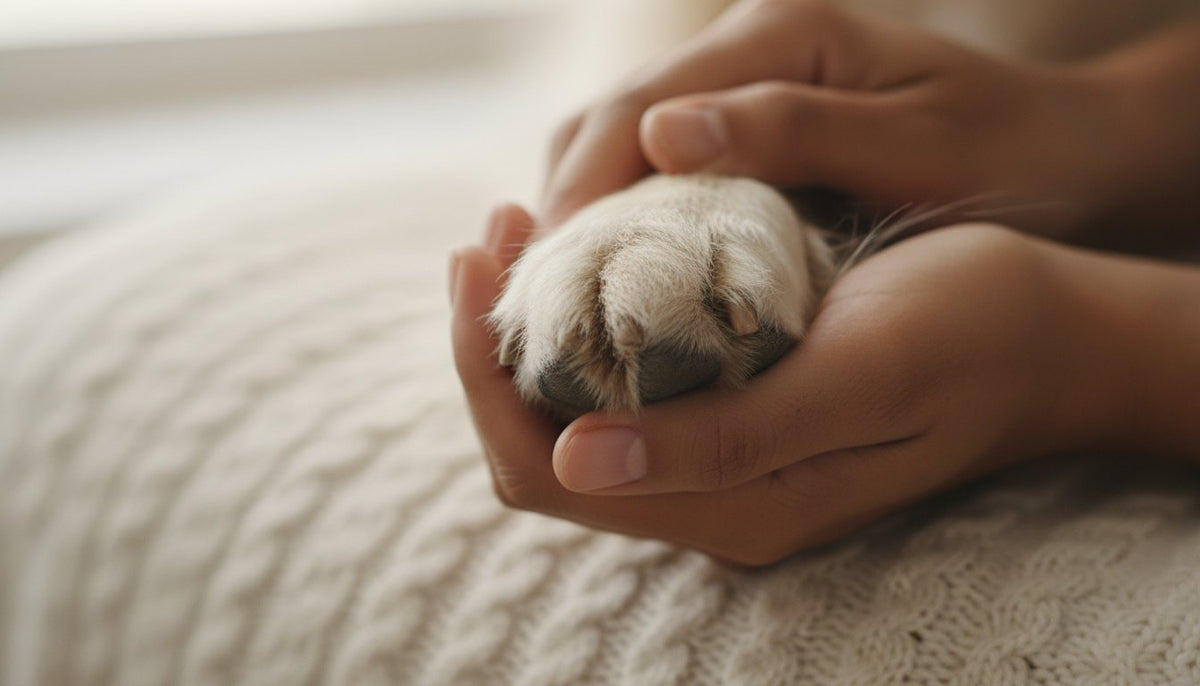
A Complete Guide to Your Dog's Paws: Anatomy, Problems, and Care
From the joyful tippy-taps that greet you at the door to the long, happy walks you share, your dog’s paws carry them through every moment of their life with you. So, when you notice their pads are dry, cracked, or sensitive, it’s natural to feel a pang of concern. You worry about hot pavement in the summer, icy salt in the winter, and finding a care routine that is both effective and truly gentle. Understanding the delicate anatomy of a dog paw is the first step toward providing the best care and giving you complete peace of mind.
This guide is designed to transform that worry into confidence. We'll walk you through everything you need to know, from basic anatomy to identifying common problems before they start. You'll learn our kindest, expert-guided tips for year-round protection and discover how to create a soothing care ritual with pure, natural ingredients you can trust. Let's make sure every step your best friend takes is a happy and comfortable one.
Key Takeaways
- Learn how to perform gentle weekly checks to catch common dog paw problems early, before they cause discomfort.
- Discover a simple routine that transforms paw maintenance into a loving bonding experience for you and your companion.
- Understand how to proactively protect your dog's sensitive paws from seasonal hazards like hot pavement and icy sidewalks.
- Know the clear signs that indicate a paw issue needs the gentle attention of your veterinarian.
Understanding Your Dog's Paws: More Than Just Feet
Your dog’s paws are their primary connection to the world, a set of gentle yet powerful tools for every adventure. Far more than just feet, they are intricate structures designed by nature for traction, shock absorption, and protection. From the snowy trails to your living room floor, every step is supported by these amazing features. Different breeds even have unique paw shapes-like the webbed feet of a Labrador for swimming or the hare-like feet of a Greyhound for speed.
These precious paws also play a surprising role in helping your dog stay comfortable. They contain sweat glands that help regulate body temperature, a small but essential detail in their overall well-being. Understanding the beautiful complexity of a dog paw is the first step toward providing the loving care they deserve.
The Anatomy of a Paw Pad
The pads on your dog's paws are their natural, all-terrain shoes, providing a thick, protective cushion between them and the ground. The intricate Anatomy of a Dog's Paw is a marvel, designed to protect the delicate bones and joints within. Each pad has a specific, caring purpose:
- Digital Pads: These are the individual cushions under each toe, bearing the initial weight and providing grip.
- Metacarpal/Metatarsal Pad: The large, heart-shaped central pad that absorbs the most shock and protects the main structures of the foot.
- Carpal Pad: This small, detached pad sits higher up the leg and acts like a brake, offering extra traction on steep slopes or during quick stops.
Claws, Dewclaws, and Webbing
Beyond the pads, other features work in harmony to support your dog’s movement and instincts. Their claws, or nails, are essential for gaining traction on soft surfaces like dirt or grass and are a primary tool for digging. The dewclaw, often called the dog’s "thumb," is a shorter digit on the side of the paw that provides extra grip when turning at high speeds or holding onto objects. Finally, the webbing between their toes offers stability and, in many breeds, aids in powerful swimming.
Common Dog Paw Problems (And How to Gently Address Them)
Your dog’s paws are built for adventure, but they aren't invincible. These amazing pads cushion every step, jump, and playful pounce. A gentle, daily check is a simple act of love that helps you spot discomfort early, before it becomes a bigger issue. From dryness to minor scrapes, understanding the most Common paw problems in dogs allows you to provide the kindest care.
Here is a quick checklist for your daily paw inspection:
- Look For: Cracks, peeling, redness, or swelling between the toes.
- Feel For: Roughness, blisters, foreign objects (like thorns or glass), or lumps.
- Listen For: Excessive licking or chewing, which often signals irritation or pain.
Dry, Cracked, or Peeling Paws
Just like our own skin, a dog paw can become dry and cracked from exposure to harsh elements. Hot pavement, icy sidewalks, rough terrain, or even allergies can lead to discomfort. If you notice visible cracks or flaking, the first step is to gently clean the paws with a soft, damp cloth. Follow up by massaging in a soothing, natural paw balm to restore moisture and provide a protective barrier.
Cuts, Scrapes, and Abrasions
An enthusiastic run at the park can sometimes result in a minor cut or scrape from a sharp stone or stick. For small, superficial wounds, carefully clean the area with a mild antiseptic wash or saline solution. Pat it dry gently. While most minor scrapes heal quickly, a vet visit is essential if the cut is deep, bleeds heavily, or shows signs of infection like swelling or discharge.
Environmental Irritants: Burns, Frostbite, and Allergies
The world outside presents unique challenges for paws each season. In summer, hot asphalt can cause painful burns and blisters in seconds. In winter, ice balls can form between toes, and chemical de-icers can cause chemical burns. Year-round, allergens from grass, pollen, or household cleaners can lead to itchy, inflamed paws. Wiping your dog’s paws after every walk is a simple, caring habit that removes these potential irritants.
The Ultimate Paw Care Routine: A Step-by-Step Guide
Caring for your dog's paws is more than just a task-it's a beautiful way to connect and deepen your bond. By transforming this routine into a gentle, weekly ritual, you can make grooming feel like care, not a chore. This simple check-in helps you catch potential issues early and prevent many of the common problems that cause discomfort. Always use positive reinforcement, like gentle praise and healthy treats, to create a calm and loving experience for you both.
Step 1: Inspect and Observe
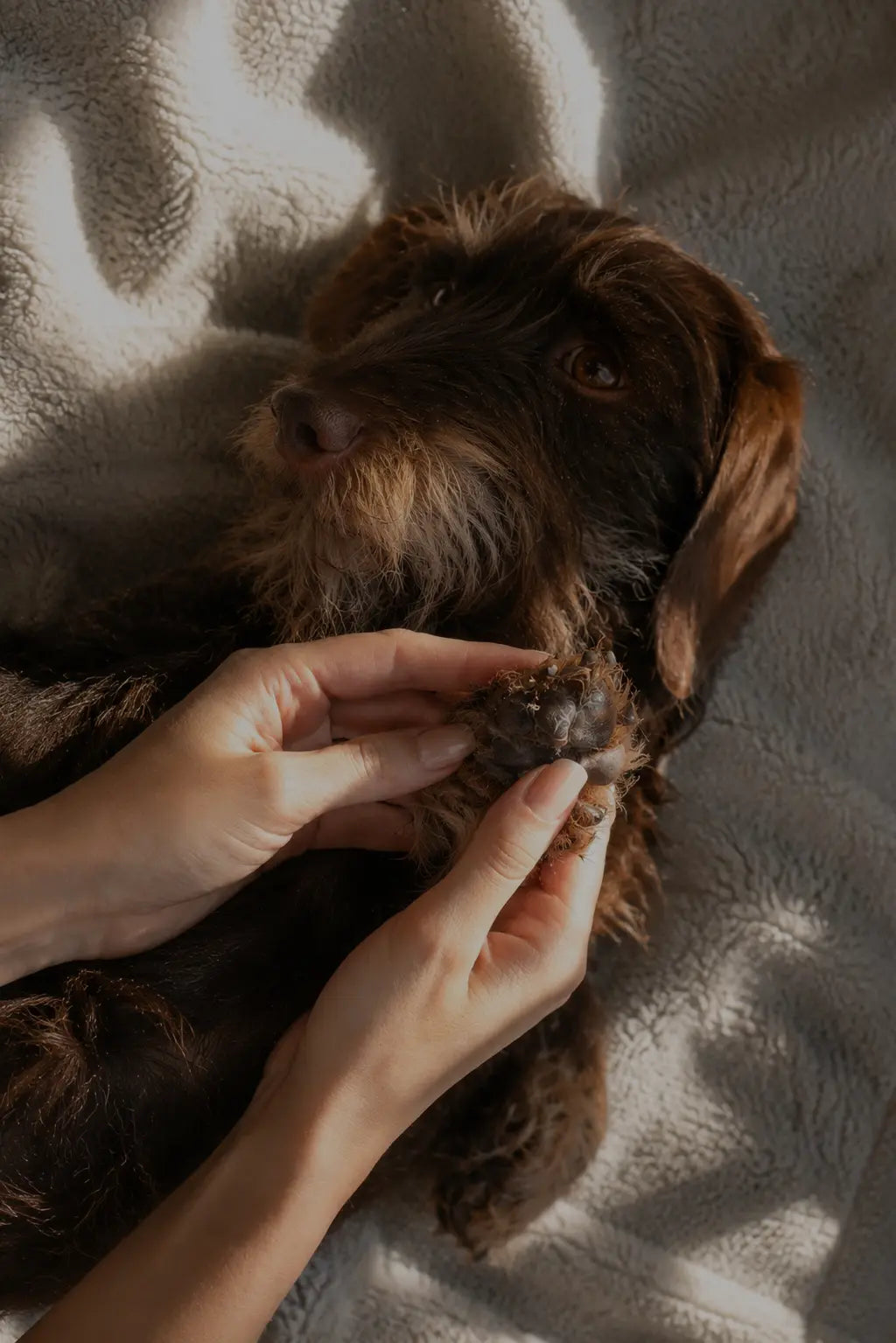
Start by gently holding your dog's paw, building trust with a soft touch and a reassuring voice. A careful weekly inspection is the first step in proactive care. As you hold their paw, calmly and carefully check for the following:
- Between the Toes: Gently separate the pads to look for foreign objects like burrs, pebbles, or grass seeds.
- Pads and Skin: Look for any signs of redness, swelling, cracks, or tenderness that might indicate an irritation or injury.
- Nail Length: Check if their nails are touching the ground when they stand. If you can hear them clicking on the floor, it's time for a trim.
Step 2: Cleanse with Care
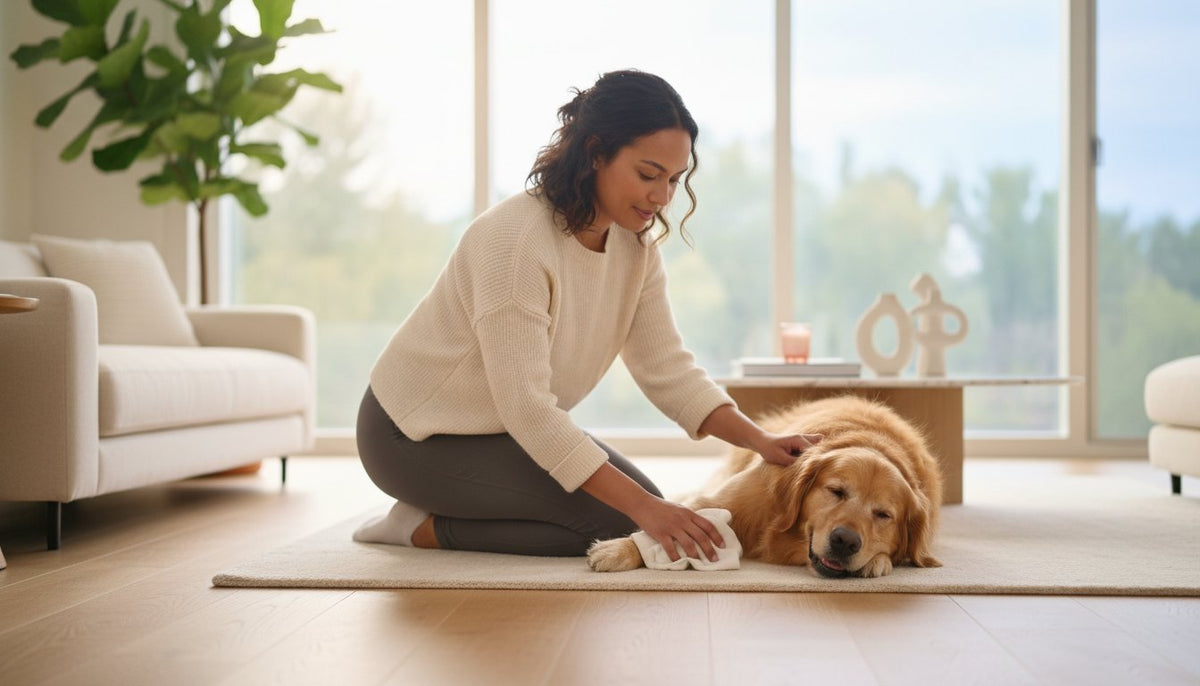
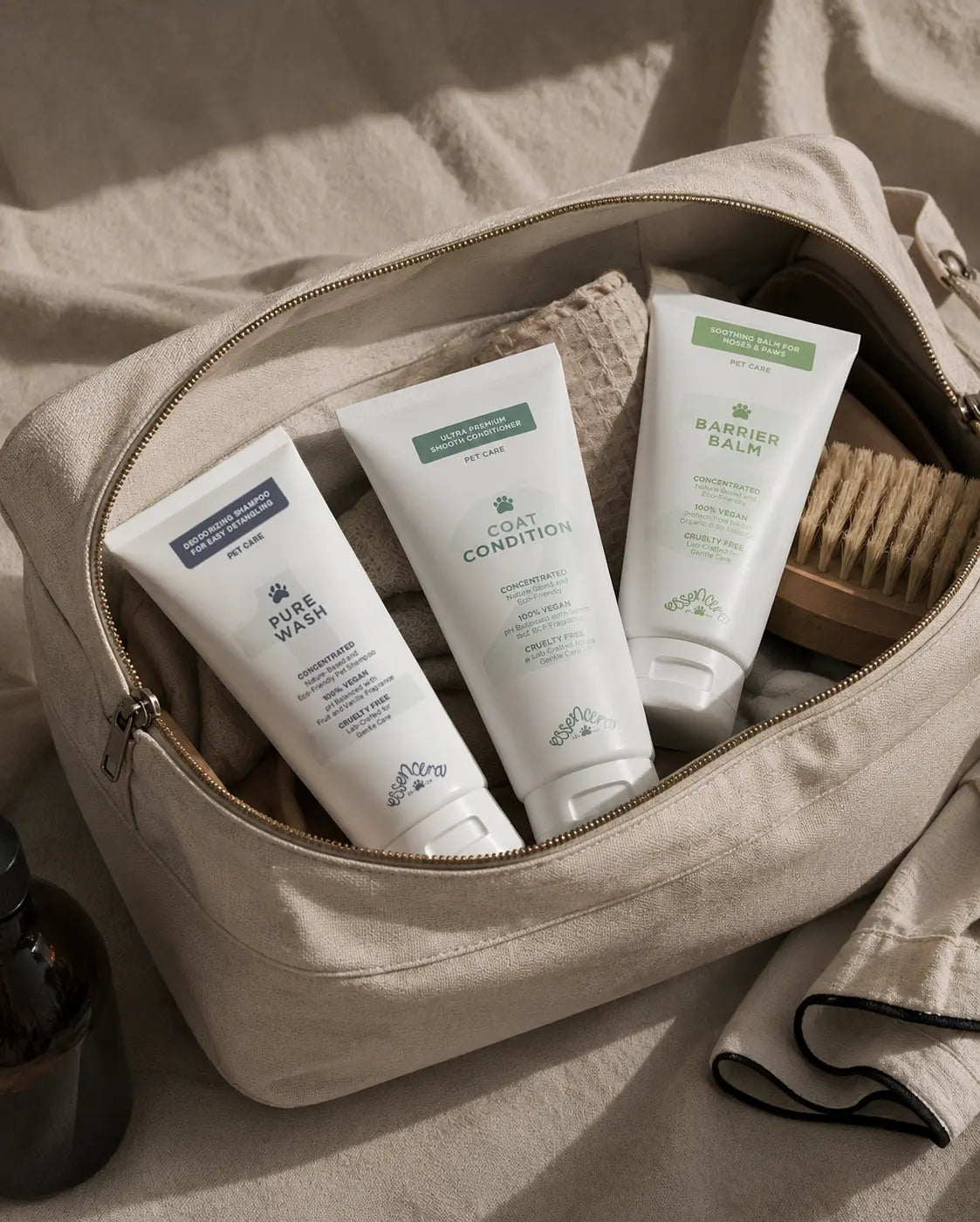
Your dog's paws pick up everything from dirt and allergens to lawn chemicals and de-icing salts. A quick wipe with a soft cloth and lukewarm water after walks is a great daily habit. For a more thorough cleaning, use a kind, pet-safe shampoo to wash away stubborn grime without stripping natural oils. Our plant-based Pure Wash shampoo is perfect for a gentle and soothing cleanse, leaving paws pure and comfortable.
Step 3: Moisturize and Protect
Human lotions are not safe for your companion. They often contain fragrances and chemicals that can be toxic if licked, and their pH is not balanced for a dog's skin. A healthy dog paw needs a natural, lick-safe balm to stay hydrated and resilient. After cleaning, apply a thin layer of balm, gently massaging it into the pads until absorbed. This is best done when your dog is resting. Essencera's Barrier Balm is made with pure, organic ingredients to create a soothing, protective layer against the elements.

Protecting Paws Through the Seasons
Just as we change our wardrobe with the seasons, our dog paw care routine needs gentle adjustments throughout the year. The extreme temperatures of summer and winter can be especially hard on their sensitive pads, but a little proactive care can prevent significant discomfort. This ensures every walk remains a happy, comfortable adventure for your best friend.
Summer Paw Protection
Sunny days are perfect for play, but hot pavement, sand, and asphalt can pose a serious risk. These surfaces absorb heat and can easily burn the delicate pads on your dog’s feet. To keep them safe and comfortable during warm weather, follow these simple, kind steps:
- The 5-Second Rule: Before any walk, gently press the back of your hand onto the pavement. If you can't hold it there comfortably for five seconds, it's too hot for your dog to walk on.
- Walk During Cooler Times: Plan your adventures for the early morning or late evening when the ground has had a chance to cool down. Grassy paths are always a gentler choice.
- Watch for Signs of Burns: Be mindful of any limping, blisters, unusually red pads, or if your dog begins licking their paws excessively.
- Soothe and Heal: After a day of activity, a natural healing balm can provide soothing relief to paws that may be dry or tender from the heat.
Winter Paw Wellness
Winter walks can be magical, but snow, ice, and chemical de-icers introduce unique challenges. Cold can cause cracking, while salts and chemicals can lead to painful irritation. Give your companion’s paws the gentle protection they need to enjoy the winter wonderland.
- Beware of De-Icers: Rock salt and chemical de-icers are harsh and can cause painful chemical burns, dryness, and cracking. Steer clear of heavily treated areas when possible.
- Wipe Paws After Every Walk: Use a warm, damp cloth to gently wipe down each paw after coming inside. This simple act removes lingering salt, chemicals, and ice.
- Trim Pad Hair: Keep the hair between the paw pads trimmed short to prevent painful ice balls from forming and clinging to the fur.
- Create a Protective Shield: Before heading out, applying a protective layer of Barrier Balm helps shield pads from the harsh elements, acting as a gentle barrier against the cold and irritants.
When to See a Vet for Paw Issues
As devoted pet parents, we know you watch over your companion with love and care. When it comes to their paws, it's always best to trust your intuition. If something seems off, seeking professional guidance is a true act of love. While this guide offers gentle tips for at-home care, it is never a substitute for the expertise of your trusted veterinarian.
Some issues can be signs of larger health problems, such as allergies, autoimmune diseases, or nutritional deficiencies, making a professional diagnosis essential for their overall well-being.
Signs You Shouldn't Ignore
Some symptoms need prompt attention to ensure your dog’s comfort and prevent further complications. Please contact your vet right away if you notice any of the following:
- Persistent Limping: Your dog consistently avoids putting weight on a paw or has a noticeable limp that doesn't improve with rest.
- Significant Injury: You see a deep cut, an object embedded in the paw pad, or bleeding that doesn't stop with gentle pressure.
- Signs of Infection: The area is swollen, warm to the touch, has a foul odor, or is oozing discharge like pus or blood.
- Obsessive Behavior: Your dog suddenly begins to lick or chew their dog paw relentlessly, which can indicate intense pain, a severe allergic reaction, or anxiety.
Preparing for Your Vet Visit
To help your veterinarian make the most accurate diagnosis, a little preparation can make a world of difference. Being ready helps you provide a clear picture of what's happening at home.
- Note when you first noticed the problem and if it has changed over time.
- If the issue comes and goes, take clear photos or a short video on your phone.
- List any recent changes in their environment, from new walking routes to different household cleaners or a new diet.
- Do not apply medications without your vet's guidance. Many human products are toxic to dogs and can worsen the problem.
Your veterinarian is your partner on your dog's health journey. By being observant and seeking timely care, you are providing the best support for your beloved friend. A healthy dog paw supports a happy, active life, and ensuring they get the right care is a beautiful way to show your love. For gentle, everyday maintenance between check-ups, explore our collection of pure and soothing care products at essencera.pet.
Gentle Steps Toward Happy Paws
Your dog's paws are more than just what they walk on; they are intricate structures essential for their daily joy and exploration. As we've learned, establishing a consistent care routine and being mindful of seasonal dangers are the cornerstones of keeping every single dog paw healthy. By gently checking for issues and providing consistent, loving attention, you transform a simple task into a meaningful act of care.
When it comes to that care, only the purest ingredients will do. Our products are Dermatologist Inspired. Pet Approved., formulated with clean, organic, and vegan ingredients. These eco-conscious formulas are as kind to the planet as they are to your pet, giving you complete peace of mind.
Discover our gentle, organic solutions for complete pet care.
Give your best friend the gentle, loving support they deserve, from head to happy tail. Every careful step you take together is a testament to your bond.
Frequently Asked Questions About Paw Care
Why does my dog constantly lick or chew their paws?
Constant licking is often a sign of discomfort. It can be caused by environmental allergies, a reaction to de-icing salts, or even a small cut or splinter. It could also stem from anxiety or boredom. Gently inspect the paw pads and between the toes for any redness, swelling, or foreign objects. If the behavior persists, it's always best to consult your veterinarian for their loving guidance and to ensure your companion gets the right care.
Are human lotions or Vaseline safe to use on my dog's paws?
We kindly advise against using human lotions or Vaseline. Many human products contain fragrances, chemicals, or ingredients like zinc oxide that can be toxic if your dog licks them off. Vaseline, a petroleum product, isn't ideal for ingestion and can be messy. For true peace of mind, always choose a paw balm made with pure, natural, and lick-safe ingredients specifically formulated for the unique needs of your beloved pet.
How can I get my dog comfortable with me touching their paws?
Patience and positive association are key to making this a moment of care, not a chore. Start by gently touching your dog's leg, slowly working your way down to their paw for just a second, then offer a treat and praise. Keep sessions short and happy. Over time, you can increase the duration, turning a simple touch into a soothing paw massage. This builds trust and transforms paw handling into a loving, bonding experience for you both.
How can I tell if my dog's nails are too long?
The clearest sign is sound. If you hear a "click-clack" on your hard floors as your dog walks, their nails are likely too long. When your dog is standing on a flat surface, their nails should not be touching the ground. Overly long nails can affect their posture and cause discomfort, so listening for that tell-tale clicking is a simple and effective way to know when it’s time for a gentle trim.
What's the best way to clean my dog's paws after a muddy walk?
For simple, gentle cleaning, a soft towel dampened with lukewarm water works beautifully to wipe away dirt. For more significant mud, a portable paw plunger or a shallow basin of water by the door can be a lifesaver. After washing, it’s important to pat the paws completely dry, paying special attention to the area between the pads. This simple step helps prevent any irritation from developing and keeps your dog comfortable and your home clean.
Do dog boots actually help protect paws?
Yes, they absolutely do! Dog boots provide a wonderful layer of protection against many hazards. They shield sensitive pads from scorching hot pavement in the summer and from ice, snow, and harsh de-icing salts in the winter. They are also excellent for protecting a dog paw from sharp rocks or thorns on hiking trails. Just be sure to find a pair that fits snugly and comfortably to give your companion the best, safest experience on their adventures.