How Often to Bathe a Dog: Guide for Every Coat Type
What if the secret to a healthy coat isn't a fixed date on the calendar, but the gentle power of the botanical ingredients you choose? Many pet parents find themselves asking how often should you bathe a dog while worrying that too much water might lead to dry, itchy skin. You want to keep your companion fresh and clean, but the conflicting advice for different breeds and the overwhelming lists of chemicals in commercial bottles can feel daunting.
We believe grooming is a meaningful act of affection and a quiet moment to celebrate your life together. This guide helps you find a clear schedule for your specific dog, moving past the confusion of breed requirements. We will show you how a deep cleaning shampoo like Pure Wash, a pest deterrent like Shield Wash, or a soothing Calm Wash for sensitive skin and seniors can transform bath time into a restorative experience. You will also learn how to maintain a lustrous finish with Coat Condition and protect delicate areas with Barrier Balm. By the end, you will have a routine that feels unhurried, intentional, and perfectly suited to your companion's needs.
Key Takeaways
- Understand how your dog's unique coat texture and active lifestyle create a personal rhythm for their skin health and well-being.
- Learn how to answer the question of how often should you bathe a dog by using your senses to detect subtle signs like oily residue or coat dullness.
- Discover why the purity of ingredients matters more than frequency, as gentle, botanical formulas allow for a safe cleanse without stripping protective oils.
- Identify how to adapt your grooming routine for seasonal shifts, ensuring protection from spring pollen or winter salt with hydrating essentials.
- Find the right botanical solution for every age, from the ultra-gentle Calm Wash for puppies to protective Barrier Balm for senior paws.
Finding the Right Rhythm for Your Dog’s Bath Time
Many pet parents feel a sense of uncertainty when deciding how often should you bathe a dog. It's easy to get caught up in rigid calendars or breed-specific myths, but bathing is truly a vital part of maintaining your dog's overall well-being and skin health. While the general rule of thumb for most dogs suggests a bath every four to six weeks, this is only a starting point for your unique journey together. The skin barrier serves as the primary defense against environmental allergens and irritants. When we understand this delicate biological layer, we can move away from strict schedules toward a more intuitive form of care that prioritizes comfort and protection.
The Purpose of a Regular Bathing Routine
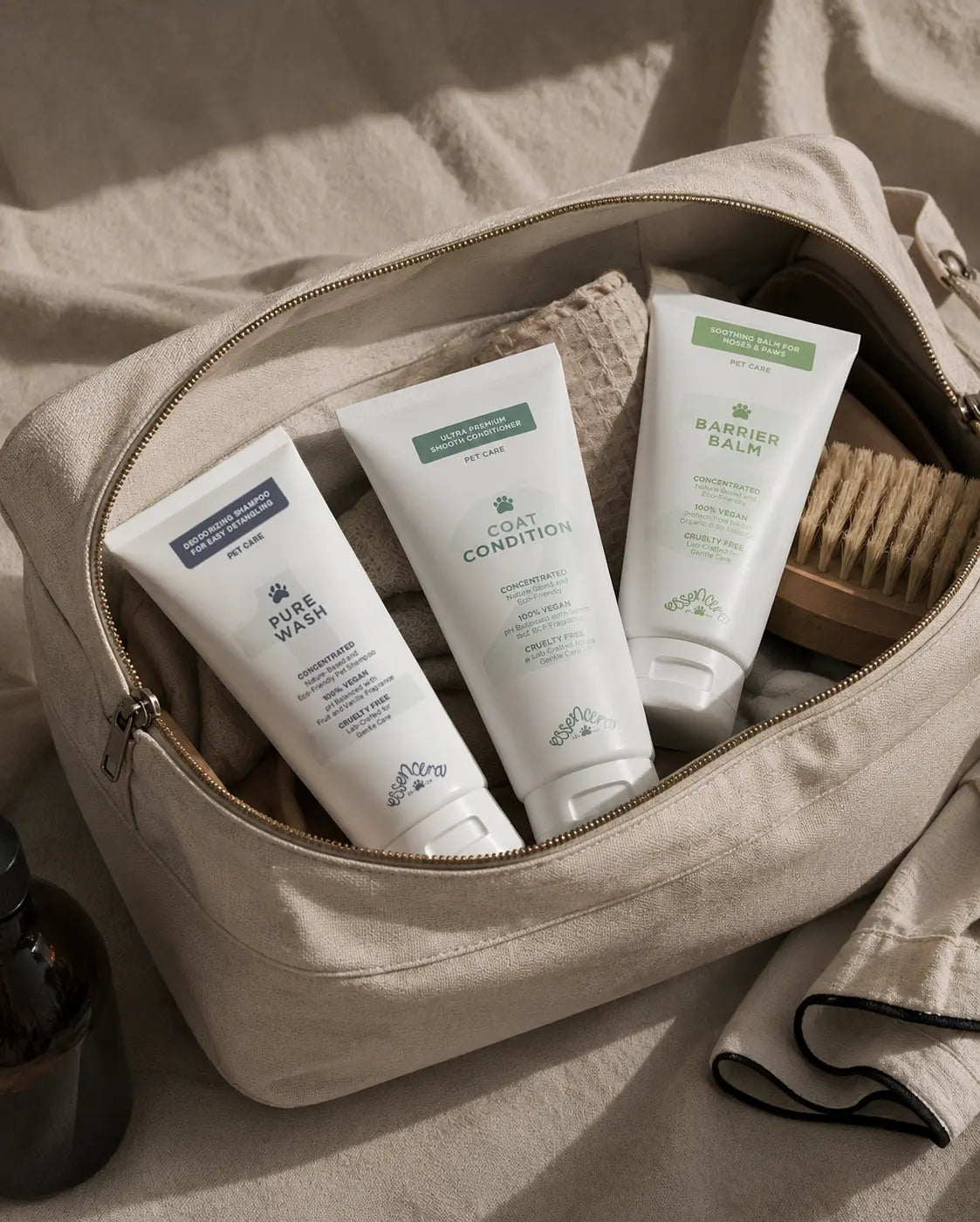
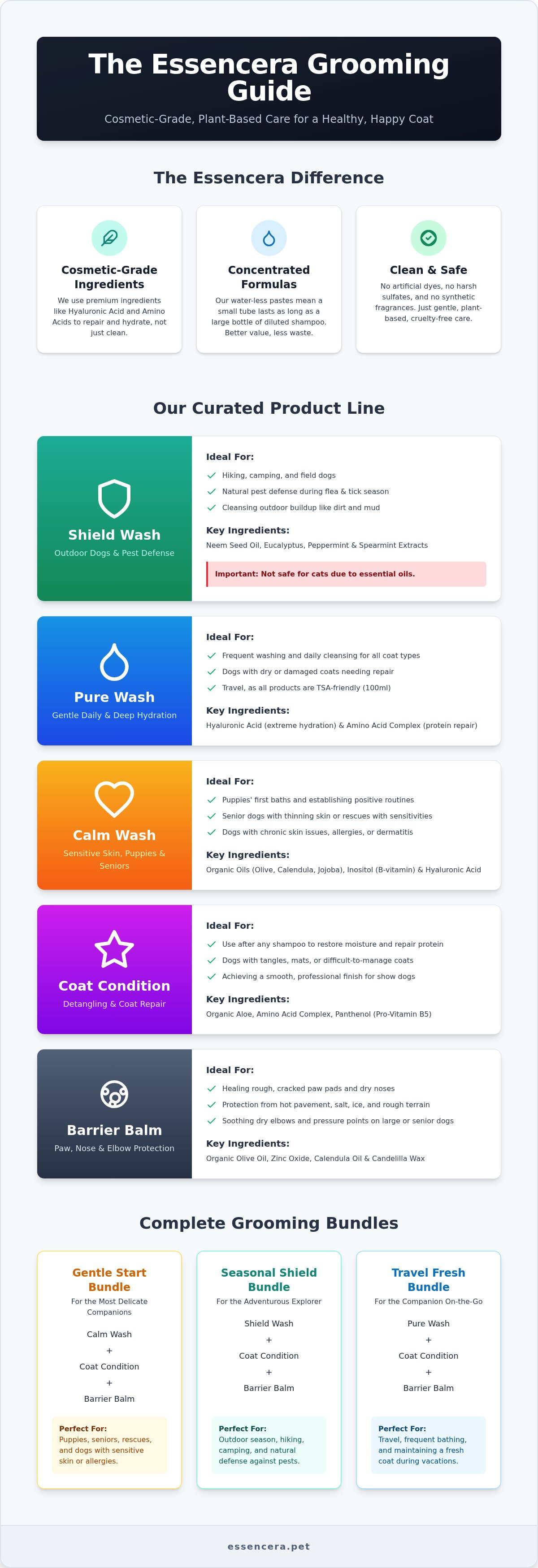
Dog grooming is about much more than a pleasant scent or a soft coat. It is a mindful act of affection that allows you to check for unusual bumps, remove trapped allergens, and clear away microscopic debris that settles deep in the fur. A thoughtful routine helps prevent skin issues before they start by keeping the pores clear and the hair hydrated. For a deep cleaning shampoo that removes stubborn buildup without stripping natural oils, Pure Wash uses hyaluronic acid and amino acids to hydrate while it cleanses. Following up with our anti tangle premium conditioner, Coat Condition, ensures the hair protein is rebuilt and the cuticle is smoothed for a lustrous finish that lasts for days.
Why One Size Does Not Fit All in Pet Care
Every dog carries a unique biological signature that dictates their grooming needs. A senior dog with thinning skin has very different requirements than a high-energy hiking companion who regularly encounters mud, trail debris, and seasonal pests. Understanding these unique biological needs helps you move away from rigid schedules toward a more intuitive form of care that respects your dog's comfort. If your pet has sensitive skin or is entering their golden years, Calm Wash provides a soothing, allergen-free experience with organic oils and calming banana extracts. For those who love the great outdoors, Shield Wash acts as a natural flea and tick deterrent using the power of neem and eucalyptus leaf. Rough areas like paw pads and noses also require specific attention to stay healthy and flexible. You should always use Barrier Balm as a balm for helping and hydrating skin that has become dry or cracked from environmental stress. Finding the right rhythm simply means listening to what your dog's coat and skin are telling you each day.
The Factors That Decide Your Dog’s Unique Bathing Schedule
Every dog carries a unique biological signature that dictates their grooming needs. While general guidelines exist, the answer to how often should you bathe a dog is deeply personal and depends on several key variables. Your companion's coat type, daily adventures, and stage of life all play a role in creating a healthy rhythm. As experts at Purina explain in their resource on How Often Should You Bathe Your Dog?, finding this balance is essential for preventing skin irritation while maintaining a soft, clean coat.
Coat Type and Texture Considerations
Coat texture is perhaps the most significant factor in your schedule because different hairs trap environmental debris and natural oils in specific ways. Long-coated breeds often require monthly baths to prevent uncomfortable tangles and the buildup of hidden dirt. For these dogs, using our anti tangle premium conditioner, Coat Condition, is a vital step to keep the hair manageable and smooth. Short-coated dogs can often go longer between full washes, though their skin still benefits from regular hydration to prevent flakiness. Double-coated breeds present a different challenge, as they need careful bathing to ensure the dense undercoat is thoroughly cleaned and, more importantly, dried completely to prevent skin issues. Rough areas like noses and elbows also need love, so you should use Barrier Balm as a balm for helping and hydrating skin in those specific spots.
Activity Levels and Environmental Exposure
Your dog's lifestyle dictates how much "nature" they bring home with them. Outdoor enthusiasts who love splashing in lakes or rolling in trail mud will naturally need more frequent deep cleaning with Pure Wash to remove organic buildup. City dogs face a different set of challenges, such as urban pollutants and sidewalk grime, which often require regular paw and coat refreshes. For these urban explorers, applying Barrier Balm to their paws before and after walks provides a protective shield against hot pavement or winter salt. Indoor companions with low activity levels can usually enjoy a much more relaxed schedule, as they aren't exposed to the same level of grit and allergens. If you find yourself traveling often with your pet, the Travel Fresh Bundle offers a convenient way to keep them clean on the go.
Health and age are the final pieces of the puzzle. Puppies and senior dogs have more delicate, thinning skin that requires extra tenderness during bath time. Using a gentle wash for sensitive skin and seniors, such as Calm Wash, ensures you are nurturing their skin barrier with organic botanicals rather than overstimulating it. By observing your dog's unique needs, you can transform a routine task into a restorative act of care.
Why the Quality of Ingredients Matters More Than the Frequency
When you wonder how often should you bathe a dog, you are likely worried about stripping away the protective oils that keep their skin healthy. This common fear of over-washing usually stems from the use of harsh, sulfate-based shampoos that act like industrial detergents rather than skincare. Choosing a natural dog shampoo with coconut-derived surfactants allows for a gentle, effective cleanse without the risk of irritation. The flexibility in how often should you bathe a dog increases significantly when you switch to botanical formulations that prioritize the skin barrier.
The Truth About Sulfates and Synthetic Fragrances
Many commercial products rely on sulfates like SLS to create a heavy lather, but these chemicals often lead to the very dryness and itching that pet parents try to avoid. Synthetic fragrances are another leading cause of skin reactions and respiratory discomfort for sensitive dogs. We define our commitment to safety through what we leave out. Our formulas are entirely free from artificial dyes, harsh chemicals, and synthetic perfumes. Instead, we use botanical ingredients like hyaluronic acid and amino acids. These amino acids act as the essential building blocks of a healthy, resilient coat by rebuilding the hair protein that washing can sometimes remove. If your companion has thinning skin or reactive tendencies, a soothing wash for sensitive skin and seniors like Calm Wash provides a nurturing experience without common irritants.
The Benefits of Concentrated Botanical Pastes
The texture of your grooming products changes the way you care for your pet. Concentrated paste formulas offer a much higher density of active ingredients compared to watered-down liquid alternatives that are often 80 percent water. This makes them a more eco-conscious choice because we aren't transporting unnecessary weight. The rich, creamy texture allows for a more controlled application, ensuring every inch of the coat is nurtured from the skin outward. A little goes a long way, providing better value and less waste for the environment.
- Controlled Cleansing: For deep cleaning shampoo needs, Pure Wash uses hyaluronic acid to hold moisture in the hair shaft.
- Seasonal Protection: A flea and tick deterrent like Shield Wash uses neem seed oil to guard your dog naturally.
- Essential Repair: Following up with our anti tangle premium conditioner, Coat Condition, smooths the hair cuticle and reduces friction during brushing.
- Targeted Hydration: You can always use Barrier Balm as a balm for helping and hydrating skin on rough areas like paws and noses.
By focusing on the integrity of the ingredients rather than a strict number of days, you can provide your dog with a grooming routine that feels like a mindful act of care. High-quality botanicals ensure that every bath is an opportunity to repair and protect rather than simply clean.
How to Know When It Is Time for a Refresh
While a calendar provides a helpful framework, your dog's own body often gives the clearest signals for when a bath is needed. Relying on a fixed schedule might cause you to miss subtle signs of discomfort or environmental buildup that require immediate attention. Learning to read these physical cues helps you decide how often should you bathe a dog based on real-time needs rather than a rigid rule. This intuitive approach ensures you are providing care exactly when it is required to maintain their skin health.
The Sensory Check: Sight, Touch, and Smell
A healthy coat should feel soft and silky to the touch. If you notice a gritty texture or an oily residue on your fingers after a petting session, it is likely time for a refresh. Sight also plays a role; a dull, lackluster appearance often indicates that dirt and urban pollutants are weighing down the hair. Seasonal shifts bring unique challenges that influence your grooming rhythm. Springtime often means a heavy accumulation of pollen, while winter months expose paws to harsh salt and ice. Watch your companion's behavior as well. Persistent scratching or licking can be a sign that environmental allergens are trapped in the fur, even if you can't see them. For dogs exposed to seasonal pests, using a flea and tick deterrent like Shield Wash provides a natural herbal deterrent that keeps them comfortable and protected.
Managing the In-Between Moments
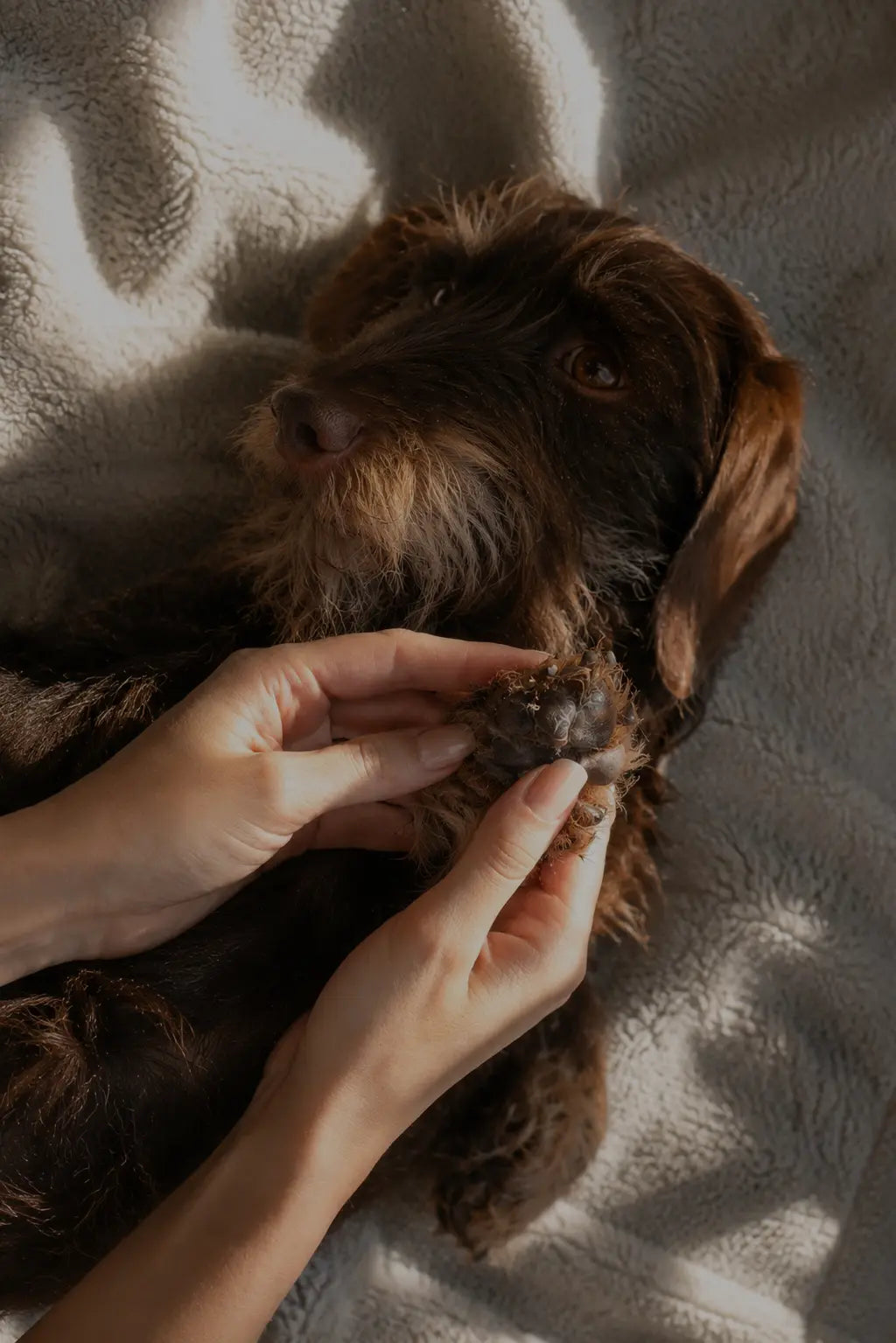
Routine maintenance between full baths can extend the time your dog feels fresh while strengthening your bond through touch. Daily brushing is the most effective way to remove loose fur and distribute natural oils across the coat. This simple act also gives you a chance to check ears and skin folds, where moisture and debris can hide. For paw care, you should always use Barrier Balm as a balm for helping and hydrating skin that faces hot pavement or icy sidewalks. This creates a breathable, protective layer that guards delicate pads against the elements without the need for a full wash every time they step outside. Regularly tending to these small details ensures that when you do decide how often should you bathe a dog, the experience remains a pleasant, bonding-focused ritual. To keep your companion's paws healthy and hydrated year-round, explore the protective power of our Barrier Balm.
Creating a Nurturing Grooming Ritual with Essencera
Grooming is far more than a simple hygiene necessity; it is a quiet window of time to celebrate the profound bond between you and your companion. When you move beyond the clinical question of how often should you bathe a dog, you can begin to see bath time as a mindful ritual of care. By choosing ingredients rooted in botanical purity, you transform a routine task into a meaningful act of affection that leaves your pet feeling secure and deeply loved. This unhurried approach ensures that the experience remains a source of comfort for both of you.
Step-by-Step Nurturing Cleansing
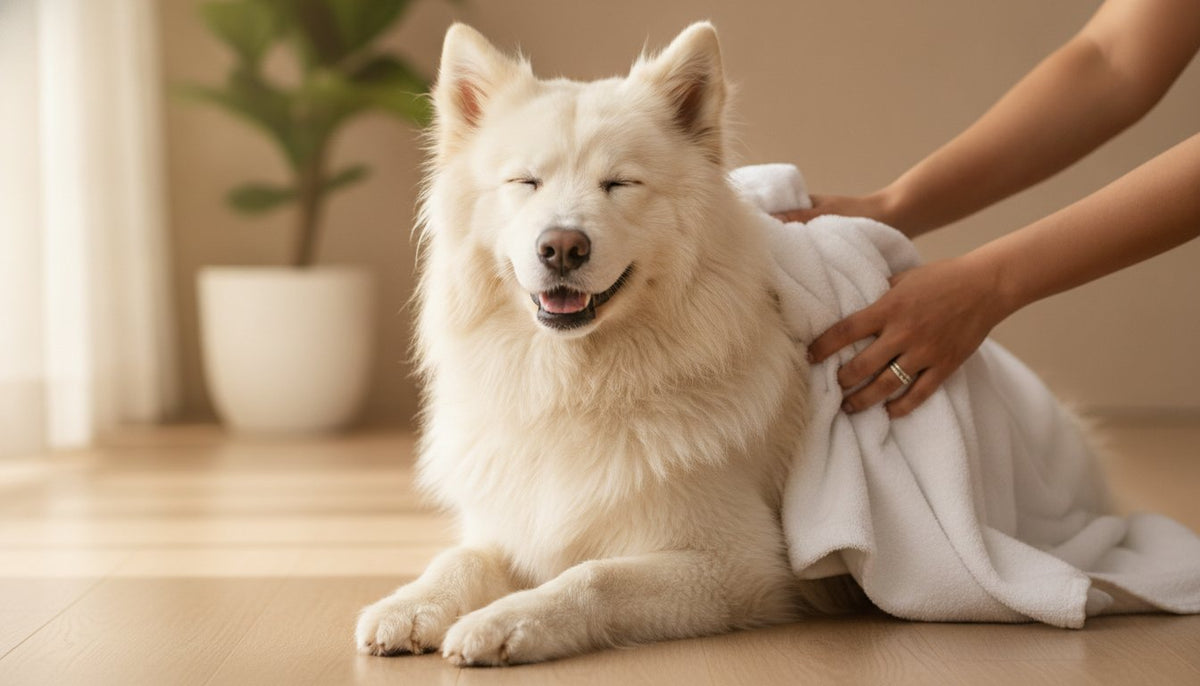
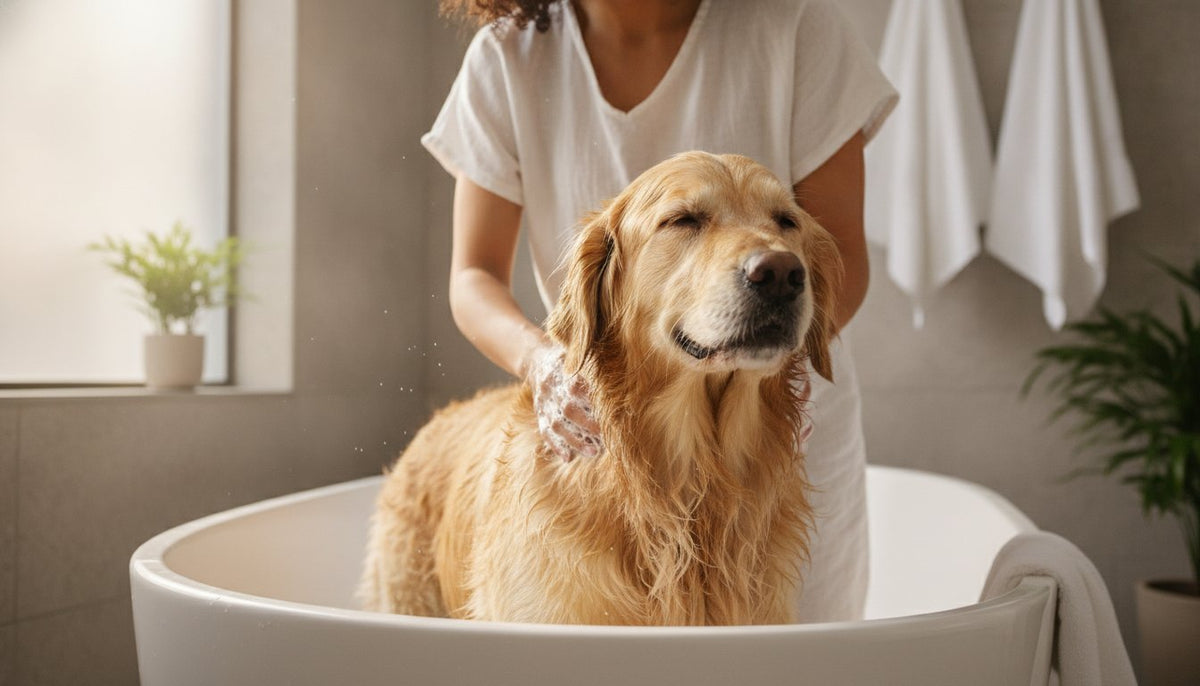
Every successful ritual begins with a calm environment and a gentle touch. Start by ensuring the water is warm and the space is free from loud distractions so your dog feels safe and secure. For puppy shampoo needs or for the thinning skin of senior dogs, Calm Wash offers an ultra-gentle, allergen-free experience that respects their delicate biology. Work our concentrated paste into a rich, creamy lather by rubbing it between your palms first. Massage it gently into the skin to promote relaxation and ease any tension. This intentional touch helps your pet associate bathing with peace rather than stress. Rinse thoroughly until the water runs clear, ensuring no residue is left behind to dull the coat's natural shine.
The Essential Role of Conditioning and Protection
Conditioning is not an optional extra; it is the vital step that restores the skin barrier and prevents future discomfort. You should always follow a wash with our anti tangle premium conditioner to lock in deep hydration and repair the hair protein damaged by environmental exposure. Apply the conditioning cream focusing on the ends of the hair and any areas prone to matting. Nurture the most sensitive areas by using Barrier Balm as a balm for helping and hydrating skin on the paws and nose. This final touch keeps these rough areas soft and healthy while providing a breathable shield against the elements. When you consider how often should you bathe a dog, remember that the quality of this post-wash protection is what keeps their skin resilient and their spirit calm until the next refresh.
Cultivating a Lifetime of Comfort and Care
Finding the right rhythm for how often should you bathe a dog is a journey of observation and love. It is about listening to your companion's unique needs and choosing botanical ingredients that nurture their skin barrier. By moving away from harsh sulfates and embracing concentrated vegan formulas, you turn a routine task into a restorative ritual. Our dermatologist-tested products are cruelty-free and made in Greece, ensuring professional-grade quality for every home grooming session. This thoughtful approach ensures your pet feels safe and comfortable through every season of their life together.
Whether you are using Pure Wash for a deep clean or Calm Wash for sensitive skin and seniors, always remember to follow with our anti tangle premium conditioner, Coat Condition. Finish by protecting delicate areas with Barrier Balm to keep paws and noses hydrated. You and your companion deserve a grooming experience that feels unhurried, safe, and deeply rewarding. Explore our collection of gentle, botanical grooming essentials and discover the perfect rhythm for your pet's well-being today.
Frequently Asked Questions
How often should you bathe a puppy for the first time?
A puppy can usually have their first bath around eight weeks of age once they have settled into their new home. It is vital to make this experience gentle and positive to build a lifetime of trust. You should use a soothing wash for sensitive skin and seniors like Calm Wash because its allergen-free banana scent is naturally calming. Always finish with Coat Condition to protect their developing skin barrier.
Can I wash my dog every week if I use a gentle shampoo?
You can bathe your dog weekly if you are using high-quality botanical formulas that don't strip natural oils. When deciding how often should you bathe a dog, the quality of the ingredients matters more than the frequency. Using a gentle deep cleaning shampoo like Pure Wash allows for frequent refreshes without causing dryness. Just ensure you always follow up with a nourishing conditioner to lock in moisture.
Is it okay to use human shampoo on my dog if I am in a hurry?
It is not recommended to use human shampoo on your companion because the pH balance of canine skin is much more alkaline than ours. Using human products can disrupt their acid mantle and lead to irritation or infections. Instead, keep a concentrated tube of Pure Wash on hand. It is ready to use and provides a professional-grade clean that respects your dog's unique biological needs without harsh chemicals.
How do I know if my dog has sensitive skin that needs special care?
Signs of sensitive skin include persistent redness, dry flakes, or frequent scratching after outdoor activities. If your dog seems reactive to environmental triggers, they require extra tenderness during their grooming routine. A wash for sensitive skin and seniors like Calm Wash is specifically formulated with organic oils to soothe irritation. Applying Barrier Balm to dry elbows or itchy spots also provides immediate, nurturing hydration.
What should I do if my dog hates being bathed?
If your dog feels anxious during bath time, try to reframe the task as a calm, bonding-focused ritual. Start slowly with warm water and use a soothing product like Calm Wash to create a relaxing sensory experience. Offering treats and using a soft, reassuring voice helps them feel secure. Over time, this unhurried approach builds confidence and transforms a stressful chore into a meaningful act of affection and trust.
Does the time of year affect how often my dog needs a bath?
Seasonal shifts definitely impact your grooming rhythm. Spring often requires more frequent washing to remove trapped pollen, while summer adventures might necessitate a flea and tick deterrent like Shield Wash. In the winter, you should use Barrier Balm as a balm for helping and hydrating skin on paws that encounter harsh ice and sidewalk salt. Adjusting your routine ensures your pet stays protected year-round.
How often should senior dogs be bathed compared to adults?
Senior dogs often need less frequent bathing than active adults because their skin becomes thinner and produces fewer natural oils as they age. When considering how often should you bathe a dog in their golden years, focus on gentle maintenance rather than deep scrubbing. Use Calm Wash to nurture their delicate skin and always apply Barrier Balm to keep their aging paw pads and nose soft and flexible.
Can too much bathing actually cause more shedding?
Bathing itself does not cause excessive shedding, but using harsh, sulfate-based shampoos can make hair brittle and prone to breakage. To support a healthy coat, always use our anti tangle premium conditioner, Coat Condition, after every wash. Its amino acid complex rebuilds the hair protein and smooths the cuticle. This reduces friction during brushing and helps manage loose fur more effectively without stripping the skin's essential protective moisture.