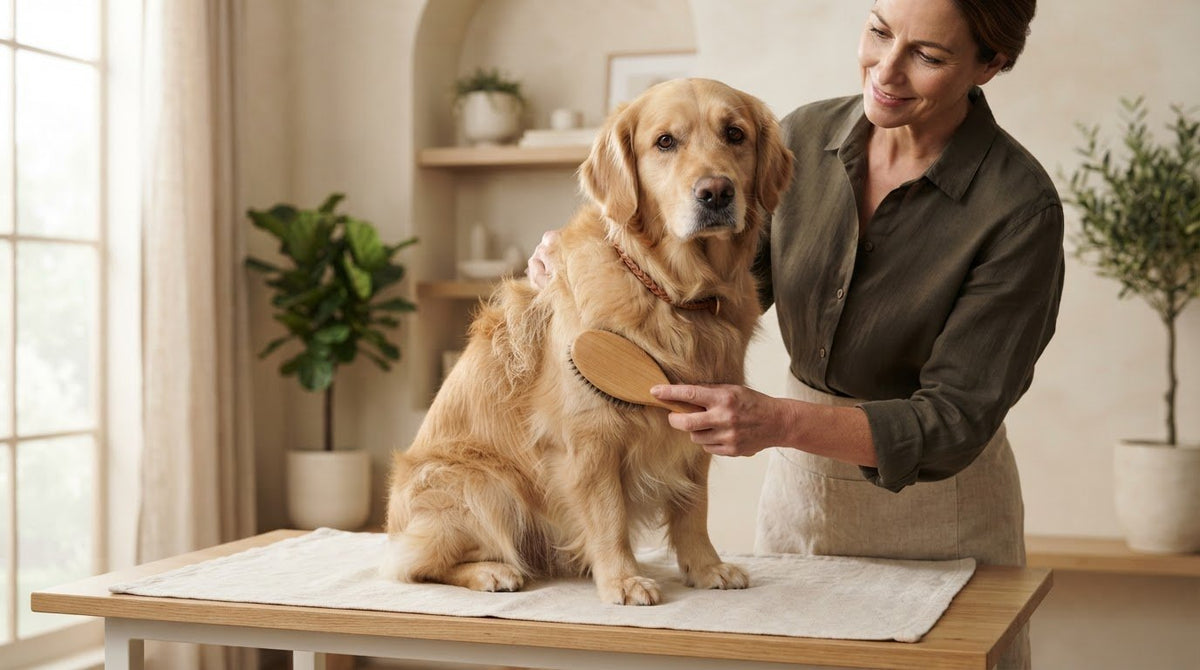
How to Revive a Dog’s Coat: A Gentle, Practical Guide
What if a dull coat needs more than a new grooming product? When your dog’s fur feels dry, looks less shiny, or tangles more easily, it’s natural to wonder what changed and whether washing might make things worse. Learning how to revive a dog's coat starts with looking for possible causes, then choosing gentle care that supports comfort and manageability without expecting an overnight transformation.
This guide will help you spot common signs of coat changes, consider everyday factors that may contribute, and build a calm routine around brushing, bathing, and conditioning. You’ll learn how a gentle cleanse with Pure Wash and the anti-tangle premium conditioner, Coat Condition, can support a softer, easier-to-manage coat, while understanding what grooming can and can’t address. And if changes persist, worsen, or come with signs of skin irritation, you’ll know when it’s time to seek your veterinarian’s advice. Small, thoughtful steps can make coat care feel gentler for both of you.
Key Takeaways
- Learn how to revive a dog's coat by first noticing changes like brittleness, tangles, breakage, or a rough feel.
- See what brushing, trimming, and conditioning may improve, and why a softer, more manageable coat takes time.
- Build a gentle care routine that moves from assessment and detangling to cleansing, conditioning, and checking your dog’s comfort.
- Match cleansing to your dog’s needs with Pure Wash or Calm Wash, then use the anti-tangle premium conditioner, Coat Condition.
- Understand when a coat change may need veterinary advice rather than more grooming.
How to revive a dog’s coat starts with understanding what has changed
A coat can lose its shine or softness for several reasons, and a change in appearance doesn’t automatically mean something is wrong. Dry air, friction, tangles, recent grooming, or your dog’s natural coat texture can all affect how the fur looks and feels. The first step in learning how to revive a dog's coat is to notice what’s different, where the change appears, and how quickly it developed.
Look closely and gently run your hands over the coat. Does it feel rough or dry? Are the ends brittle, or do you see more tangles or broken hairs than usual? Check whether the change is limited to areas that rub against a harness or bedding, or whether it appears across the body. Take note of when you first noticed it and any recent changes to brushing, bathing, or trimming. These details can help you describe the change clearly if you seek advice.
Also compare the coat with your dog’s own baseline, not with another dog’s. Coat length, texture, and layering vary, so a naturally coarse or fluffy coat isn’t necessarily damaged. This overview of dog coat types and nutritional needs offers useful background on that variety. Appearance alone, though, can’t identify the cause of a coat change.
A coat that feels dry or tangles easily may need gentler care; a sudden or worsening change, especially with discomfort or skin changes, deserves veterinary guidance.
Which visible coat changes can routine care address?
Routine grooming may help with surface dryness, loose tangles, and roughness that make a coat harder to brush or less smooth to the touch. For example, friction can leave one area looking rough, while an overlooked tangle can catch nearby hairs and make the coat seem dull. Gentle, consistent care may improve softness and manageability, but it can’t confirm why the coat changed or promise to restore every damaged hair. Consider what grooming steps have changed and what texture is normal for your dog.
When should a coat change prompt a vet visit?
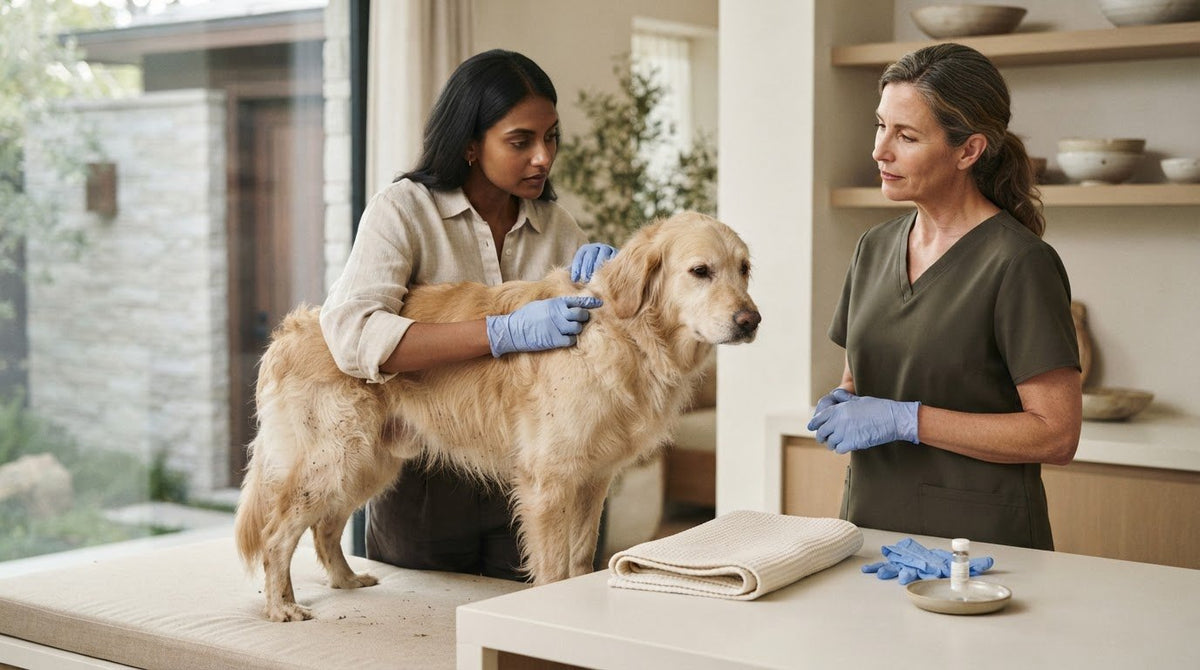
Seek veterinary guidance if the change appears suddenly, affects much of the coat, persists, or continues to worsen. It’s especially worth asking for an assessment if your dog seems uncomfortable or you notice skin changes such as redness, sores, or persistent scratching. Share when the change began and what you’ve observed. Grooming products can support coat care, but shampoo or conditioner isn’t a treatment for an underlying medical concern.
In short, use the pattern as a guide, not a diagnosis. A gradual change linked to grooming may be suitable for a careful routine, while a sudden or unexplained shift calls for professional advice. This calm first check helps you choose the next step with your dog’s comfort in mind.
What coat damage means, and what grooming can realistically improve
“Coat damage” is a broad, everyday description for hair that looks or feels less smooth and resilient than usual. It may show up as persistent roughness, fraying, breakage, or ends that feel brittle. Temporary dryness can make a coat feel coarse for a while, while tangles can make healthy hair look uneven or dull. Those signs can overlap, so appearance alone can’t tell you exactly what caused them.
A helpful distinction is whether the concern is mainly about how the hair feels and behaves, or whether the change comes with signs that your dog feels unwell. Grooming can improve the coat’s appearance and make brushing easier. It can’t diagnose or cure a health problem.
Conditioning may improve how a coat looks and feels; it isn’t a cure for an underlying health problem.
How the hair cuticle relates to roughness and tangles
The cuticle is the outer layer of each hair shaft. In simple terms, when that surface is less smooth, neighboring hairs may catch or rub against each other more easily. Friction can contribute to tangles and make brushing less comfortable, and repeated pulling can lead to broken hairs. Coat texture and length matter, too: long or dense hair can knot more readily than a short, smooth coat. This is a practical way to understand texture, not a diagnosis of damage.
What conditioning can and cannot do for damaged hair
Conditioning can help smooth the feel of the coat and add slip, so a brush or comb moves through it more comfortably. The anti-tangle premium conditioner, Coat Condition, is intended to help manage tangles and make brushing easier during finishing. Follow its directions, and rinse thoroughly if using it as a rinse-out conditioner.
Think of conditioning as support for the hair you can see, not a way to make damaged ends new again. Severely frayed or broken ends may need trimming; don’t tug or cut close to the skin at home if you can’t see clearly or your dog is uncomfortable. A trim can remove damaged length, but it won’t change the texture of new hair. As the coat grows, its appearance changes gradually, and the pace varies from dog to dog. Your grooming plan should reflect your dog’s coat length, condition, and comfort.
That’s the practical heart of how to revive a dog's coat: aim for a cleaner, softer, more manageable feel, then reassess rather than expecting a single treatment to undo every change. If roughness or breakage keeps returning, or the coat change is paired with skin irritation or discomfort, ask your veterinarian for guidance before adding more grooming steps.
Compare coat-revival options: brushing, conditioning, trimming, and professional help
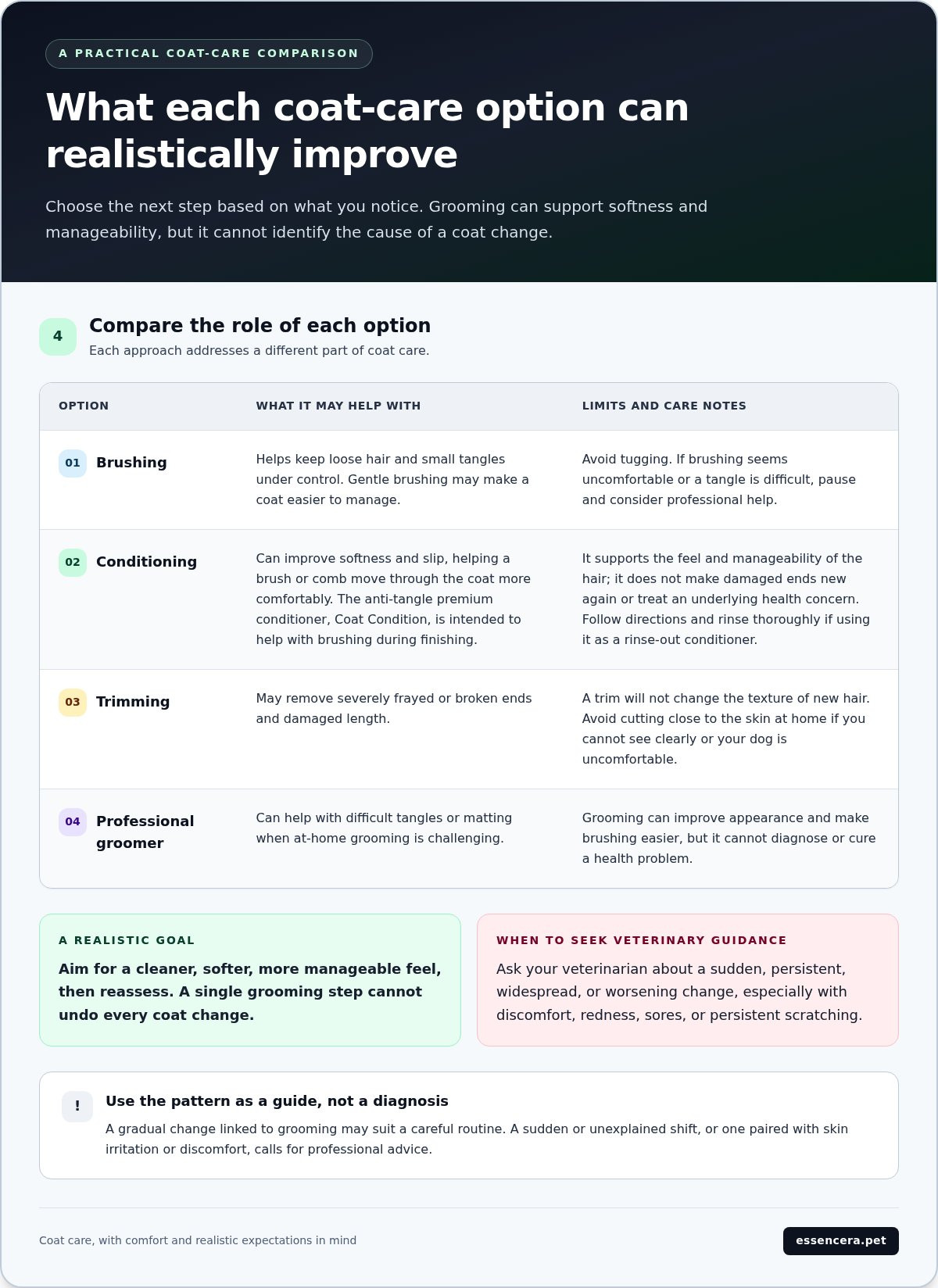
There isn’t one fix for every coat concern. Brushing can help keep loose hair and small tangles under control, conditioning can improve softness and slip, and trimming may remove damaged ends. A professional groomer can help with difficult tangles or matting, while a veterinarian is the right person to assess possible skin or health concerns. Use the comparison below to choose a gentle next step.
Brushing
May help: Manage loose hair and prevent small tangles from tightening.
Limits: Won’t repair broken ends or safely resolve severe mats by force.
Best fit: Routine maintenance when your dog is comfortable.
Conditioning
May help: Smooth the coat’s feel and make brushing more manageable.
Limits: Isn’t a promise to remove mats or restore severely damaged hair.
Best fit: Dry-feeling coats or tangles that can be handled gently.
Trimming
May help: Remove damaged ends or hair that’s difficult to manage.
Limits: Won’t address why the coat changed, and cutting close to skin can injure your dog.
Best fit: When the ends are badly frayed or a groomer recommends a trim.
Professional grooming or veterinary advice
May help: A groomer can assess difficult tangles; a veterinarian can assess skin or health changes.
Limits: Grooming doesn’t diagnose medical concerns.
Best fit: Severe matting, distress during handling, or coat changes with skin signs.
When brushing and conditioning are useful
Choose a brush or comb suited to your dog’s coat, and work in small sections without pulling. Long, fine hair may need a different tool and gentler section-by-section approach than a short, smooth coat. Pause if your dog flinches, turns away, or seems uncomfortable. The anti-tangle dog conditioner is designed to help smooth and manage tangles, not to unknot severe mats. Follow its directions, leaving it on for 2-3 minutes before rinsing thoroughly.
When trimming or professional support makes more sense
A trim may be a sensible option for visibly frayed ends, but don’t try to cut out a tight mat or work scissors close to the skin. Mats can pull on skin, making it hard to judge where hair ends and skin begins. For severe matting or if grooming makes your dog distressed, pause and seek professional grooming support. If the coat change comes with irritation, discomfort, or other health concerns, consult a veterinarian instead.
Each option has a different job. For how to revive a dog's coat, choose the least stressful step that fits what you can see and what your dog will comfortably tolerate. Gentle care is useful, but it shouldn’t delay veterinary advice when the concern may go beyond coat appearance.
Build a gentle at-home routine to support a healthier-looking dog coat
A steady routine makes it easier to care for your dog’s coat without overdoing it. Before each bath, take a moment to check the skin and fur, then move through a few calm steps. Choose products for your dog’s needs and follow their directions. If you’re unsure which wash fits, consider your dog’s coat and skin needs when reviewing Pure Wash for gentle cleansing.
Prepare the coat and keep handling gentle
Start with a quick look and feel. Note any tangles, dry-feeling areas, or visible skin changes, and compare the coat with how it usually looks. If your dog is comfortable, gently work through loose tangles before bathing. Don’t pull at painful mats or brush over sore-looking skin. Keep your movements calm, avoid the eyes, and pause if your dog shows discomfort.
- Assess the coat. Notice where the texture or manageability has changed. A written note or photo can help you compare the coat after future grooming sessions.
- Detangle only what comes away easily. Use a brush or comb suited to your dog’s coat and work in small sections. Stop rather than tugging through a tight mat.
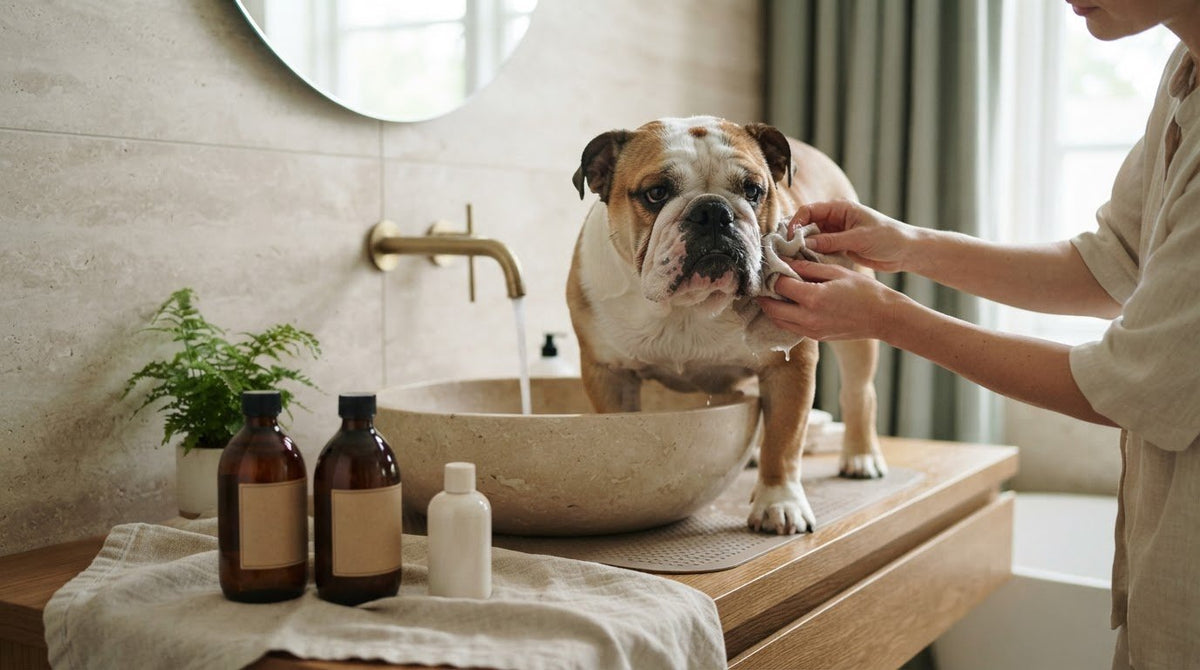
- Cleanse gently. Wet the coat thoroughly with warm water, apply the wash as directed, and massage it through without scrubbing hard. Keep product away from the eyes and rinse thoroughly.
- Condition the coat. Squeeze out excess water, then work the anti-tangle premium conditioner through the coat, focusing on the ends and areas that tangle. Leave on for 2-3 minutes, then rinse thoroughly.
- Check the result. After towel drying, notice whether the coat feels easier to brush and whether your dog remained comfortable. Don’t force a brush through knots that are still difficult to manage.
Keep the routine consistent and observe the response
Use grooming products according to their directions rather than washing more often or applying extra product to chase faster results. A single bath may leave the coat feeling cleaner, but it can’t guarantee a lasting change in texture. Give your routine time, and track whether brushing becomes easier or the coat continues to feel dry or brittle. Your notes can help you spot a pattern and explain it clearly if you need advice.
Comfort comes first. Stop if your dog flinches, pulls away, or seems distressed, and seek suitable grooming guidance for difficult tangles. If irritation or other concerning changes persist, contact your veterinarian. Grooming can support coat manageability, but it can’t treat an underlying health issue.
Small, gentle steps are a practical way to approach how to revive a dog's coat. Choose a routine your dog can tolerate, then adjust thoughtfully based on what you observe. Explore Essencera’s coat-care products to find options for a gentle cleanse and conditioning routine.
Choose an Essencera coat-care routine that fits your dog
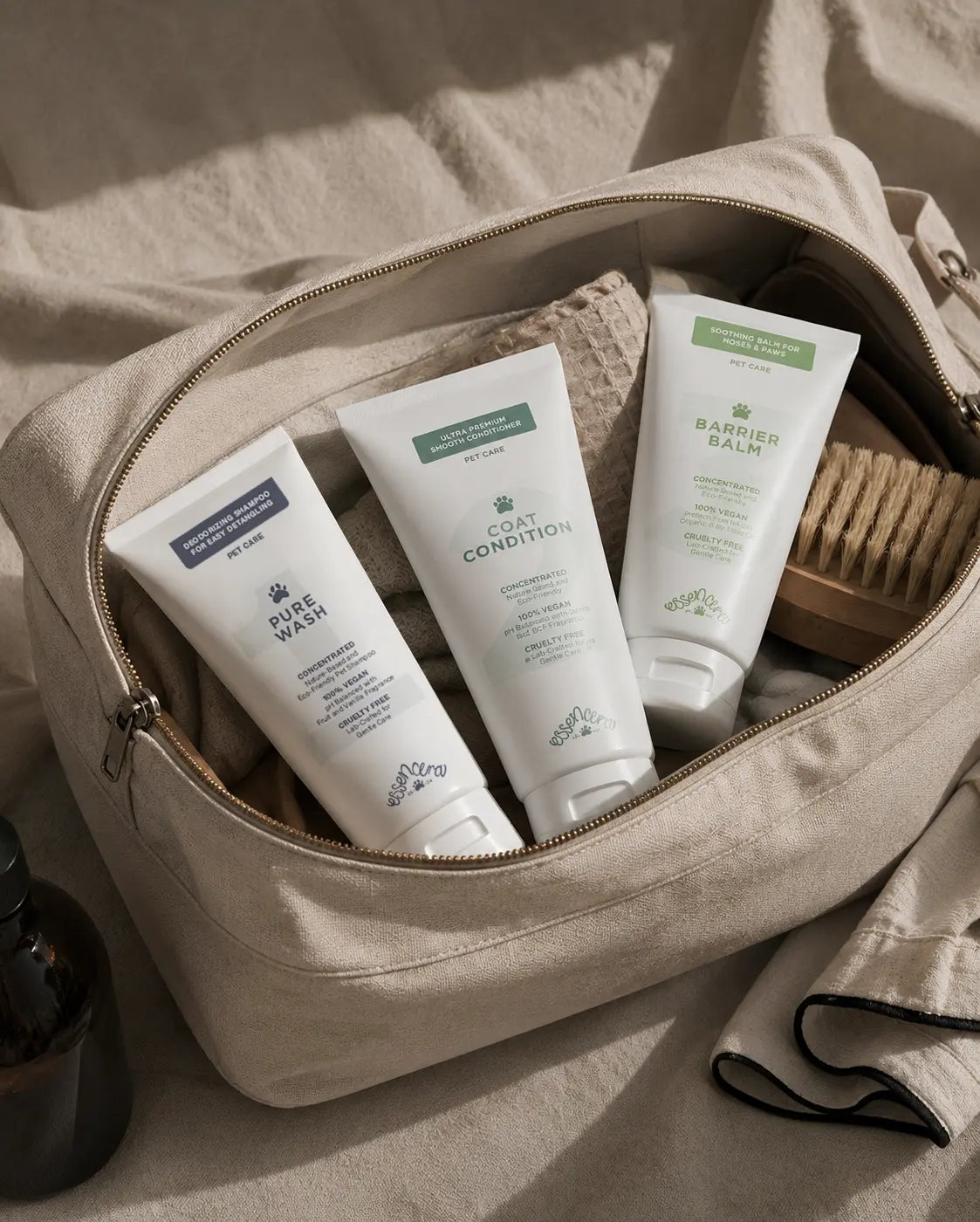
A simple framework can make coat care feel more manageable: Clean → Condition → Protect. It connects cleansing with conditioning and care for rough areas, without promising to cure a coat or skin concern. Choose products based on your dog’s everyday grooming needs, and pause for veterinary advice if you notice persistent irritation or other concerning changes.
Match the wash and conditioner to the coat-care need
For general cleansing across coat types, Pure Wash Shampoo is a gentle option. If your dog needs a sensitive-skin-focused routine, Calm Wash Shampoo is formulated for delicate skin needs. Neither should be treated as a remedy for a medical condition. Choose the wash that best fits your dog’s grooming needs and follow its directions.
After cleansing, the anti-tangle premium conditioner can help smooth the coat and make tangles easier to manage during brushing. Coat Condition may be used leave-in or rinsed out, so follow the product directions for the way you’re using it. Conditioning supports softness and manageability, but it isn’t a promise to undo severe matting or restore every damaged hair.
Follow the stated application directions
Keep the routine calm and straightforward. Wet the coat thoroughly with warm water, then massage a small amount of the selected wash through the coat, avoiding the eyes. Leave it on for 2-3 minutes and rinse thoroughly. If the coat is heavily soiled, repeat as directed. Use a gentle touch rather than scrubbing hard.
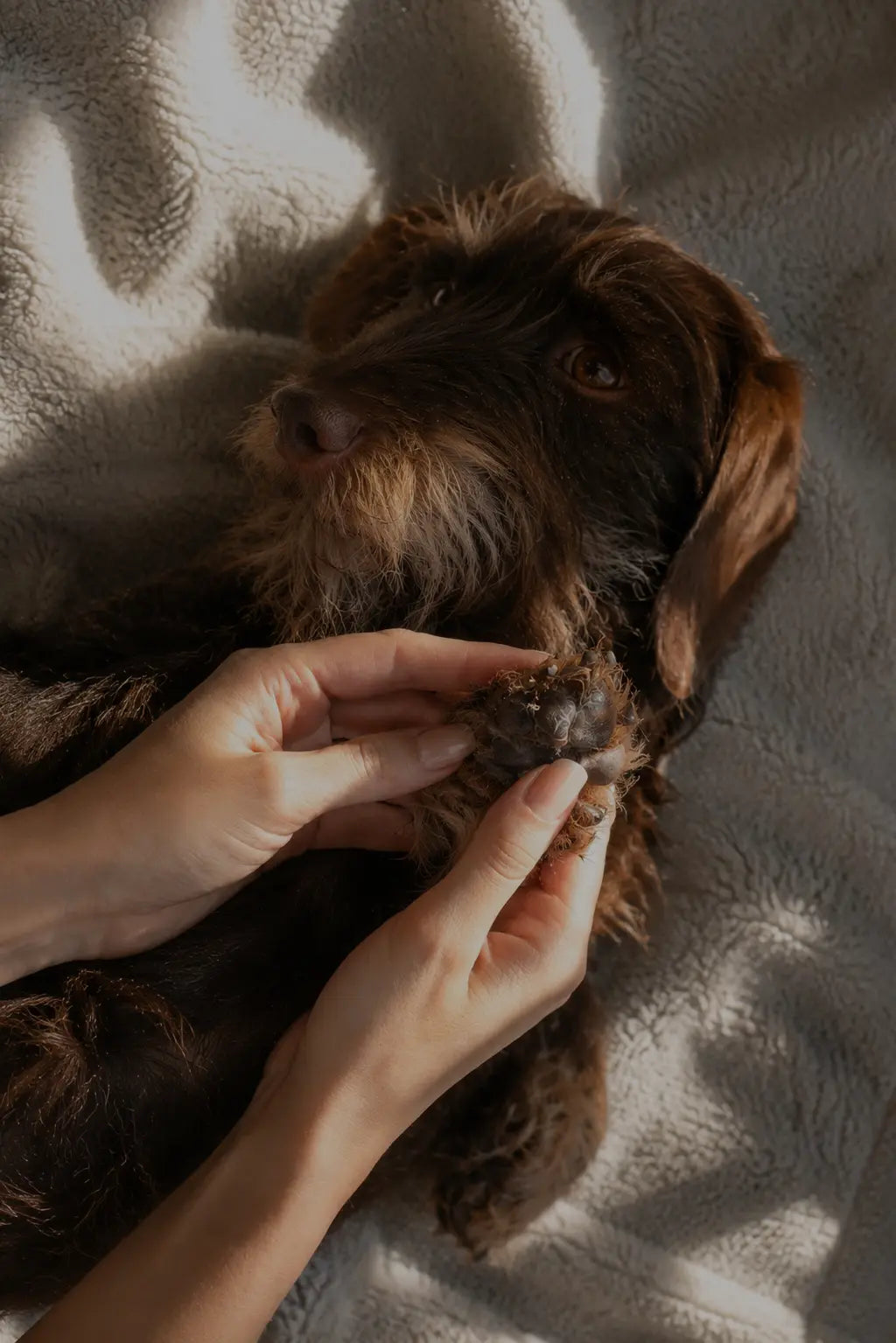
Next, squeeze excess water from the coat and work conditioner through the damp lengths, focusing on areas that tend to tangle. Leave it on for 2-3 minutes, then rinse thoroughly. Check that the coat feels soft rather than slippery or coated after rinsing. Once your dog is dry, apply a small amount of Barrier Balm to paws, nose, elbows, or other rough areas as needed. It helps hydrate those areas while forming a lightweight protective layer.
Use this sequence as a practical routine, not a shortcut to overnight change. Keep to product directions instead of increasing the amount or washing more often to chase faster results. Notice how your dog responds and whether the coat feels easier to manage over time. Stop if grooming causes discomfort, and seek veterinary guidance for persistent skin irritation or other health concerns. Learning how to revive a dog's coat is about thoughtful care, realistic expectations, and choosing steps that suit your dog.
Explore Essencera’s dog-care products to find a gentle cleanse, conditioning support, and care for rough areas that fit your routine.
Make coat care a gentle habit you can build on
Your dog’s coat doesn’t need to change overnight for your care to matter. A comfortable brush-through, a calmer bath, or a little less resistance around grooming can be a meaningful step. Let your dog’s comfort guide the pace, and keep the routine simple enough to return to. That steady attention is at the heart of how to revive a dog's coat in a thoughtful, realistic way.
Essencera brings cleansing, conditioning, and protection together as one practical care framework. The products are described as vegan and cruelty-free, with zero animal testing, so you can make coat care part of your time together with those values in mind. Choose the steps that suit your dog, and allow the routine to feel caring rather than like a race toward a perfect shine.
Ready to find a gentle next step for your dog’s coat? Explore Essencera’s dog-care routine and make your next grooming moment a little more comforting. Small acts of care, repeated with patience, can help you and your dog feel good about the routine you’re building.
Frequently Asked Questions
Can I dilute Essencera shampoo to make it last longer?
No. Essencera’s concentrated formulas, including Pure Wash Shampoo, Calm Wash Shampoo, and Shield Wash Shampoo, are designed to be used undiluted, and dilution reduces effectiveness. Use the product as directed rather than adding water to the tube or preparing a batch ahead. Adjust the amount for your dog’s size, coat length, and density.
Why doesn’t Essencera shampoo foam as much as other shampoos?
A lighter lather doesn’t automatically mean the coat isn’t being cleansed. Pure Wash Shampoo uses gentle coconut-derived surfactants rather than harsh sulfates. Work it through the wet coat as directed, then rinse thoroughly. Judge the wash by whether it’s spread through the coat and rinsed clean, not by foam volume. Don’t add extra product just to create more bubbles.
How long does one tube of shampoo last?
For weekly baths, one tube of Pure Wash Shampoo is estimated to last 3-4 months for a small dog, 2-3 months for a medium dog, and 1-2 months for a large dog. These are estimates, not guarantees. A longer or denser coat, the amount used per wash, and bathing frequency can all affect how quickly you use a tube.
Is Calm Wash safe for puppies?
Calm Wash is specifically formulated for puppies and sensitive skin. Keep the first grooming experience calm, follow the product directions, and avoid contact with your puppy’s eyes. If your puppy has a diagnosed skin condition or a history of reactions, ask your veterinarian before using a grooming product. Stop use if irritation develops, and seek veterinary advice if it persists.
Will Essencera products help with my dog’s skin allergies?
Calm Wash is an allergen-conscious option for sensitive-skin grooming, and customers have reported improvements. That doesn’t mean a grooming product can diagnose or treat an allergy. If your dog has a medical skin condition, or itching and irritation continue, consult your veterinarian and follow their guidance on suitable care. Keep track of when symptoms appear and any products used to share at the appointment.
Are Essencera products tested on animals?
Essencera describes its products as vegan and cruelty-free, with zero animal testing. This reflects the brand’s stated approach, not an additional certification claim. Use grooming products only as directed for dogs, and keep them away from children. If your dog develops irritation during use, discontinue the product. Contact your veterinarian if the irritation persists or you’re concerned about your dog’s comfort.