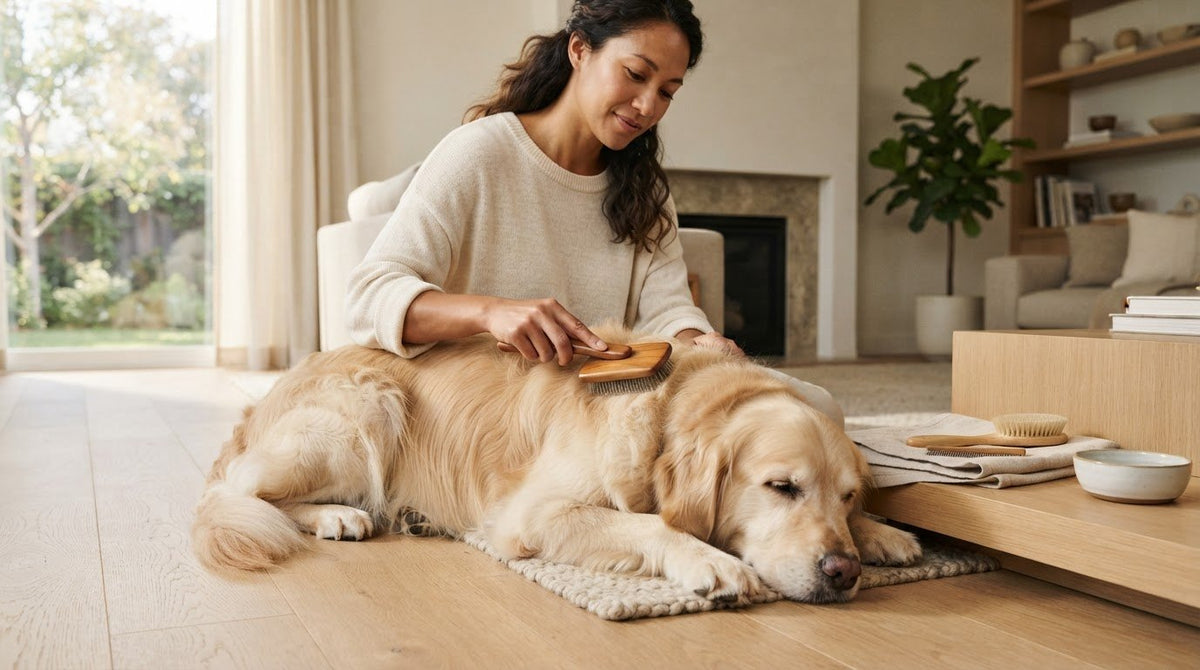
How to Maintain a Dog’s Coat Between Grooms at Home
A healthy coat is maintained in small, regular moments, not just at the grooming table. For long or curly coats, brush daily; for medium coats, brush 2-3 times a week; and for short coats, brush 1-2 times a week. Knowing how to maintain your dog’s coat between professional grooms starts with that steady routine, which helps lift dirt and reduce tangles.
It’s natural to wonder whether brushing and bathing at home make a difference when your dog already has regular grooming appointments. Simple habits can help keep the coat comfortable and manageable between visits.
Here’s how to maintain your dog’s coat between professional grooms: brush gently, choose between a bath and spot-cleaning, and care for the coat after outdoor adventures. You’ll also learn when a mat needs professional attention instead of more brushing at home.
Key Takeaways
- Match brushing to coat type: long or curly coats need daily attention, while medium and short coats have different weekly routines.
- For a general bathing guide, consider your dog’s coat, lifestyle, and needs, and use a gentle, dog-specific shampoo.
- After rain, snow, or outdoor adventures, check the coat for wet debris and snowballs, then brush and dry it gently.
- Avoid pulling at tangles. Large or painful mats, irritated skin, or a dog becoming very distressed are signs to seek professional help.
- Regular coat checks and a consistent grooming routine can help you spot tangles, pests, and areas that need extra care between appointments.
1. WHY IS IT IMPORTANT TO KEEP ON TOP OF YOUR DOG’S GROOMING BETWEEN APPOINTMENTS?
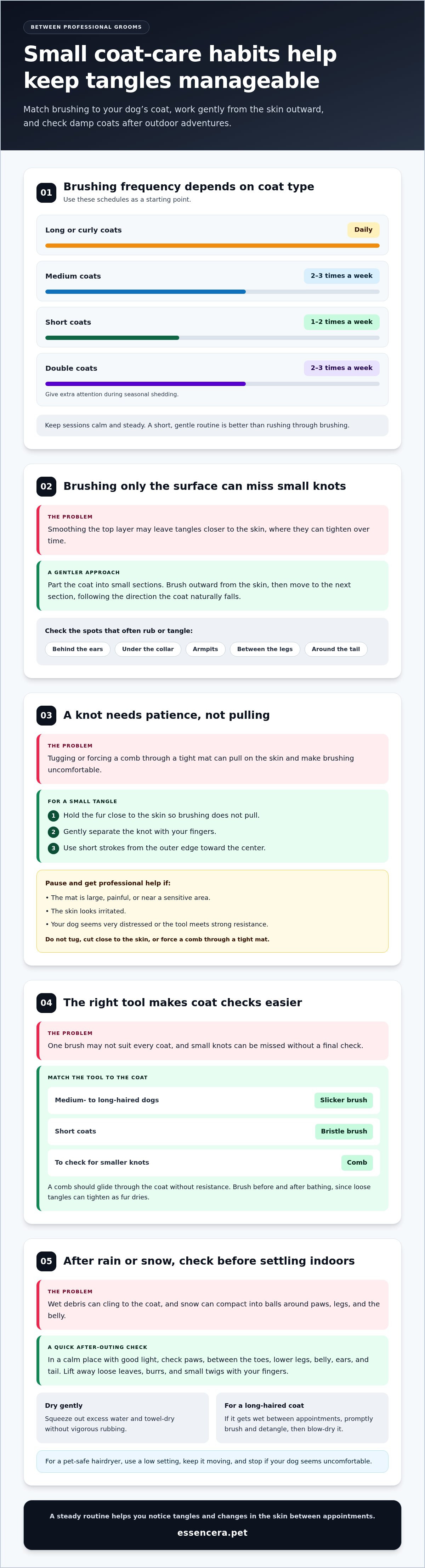
Regular brushing helps remove dirt, spread natural oils, and catch tangles before they tighten into mats. A steady routine also lets you notice changes in your dog’s skin while brushing, such as redness or areas that seem tender. The right frequency depends on coat type: brush long or curly coats daily, medium coats 2-3 times a week, and short coats 1-2 times a week. Double-coated breeds generally need brushing 2-3 times weekly, with extra attention during seasonal shedding.
Those schedules are useful starting points, not a reason to rush through brushing. Settle your dog on a non-slip surface and work in a calm, familiar place. For a long or curly coat, daily sessions help catch small knots before they become harder to manage. Even a short-haired dog benefits from regular brushing, which can lift loose hair and debris. When professional appointments stretch to 8-10 weeks, coats can become harder to manage and matting can increase.
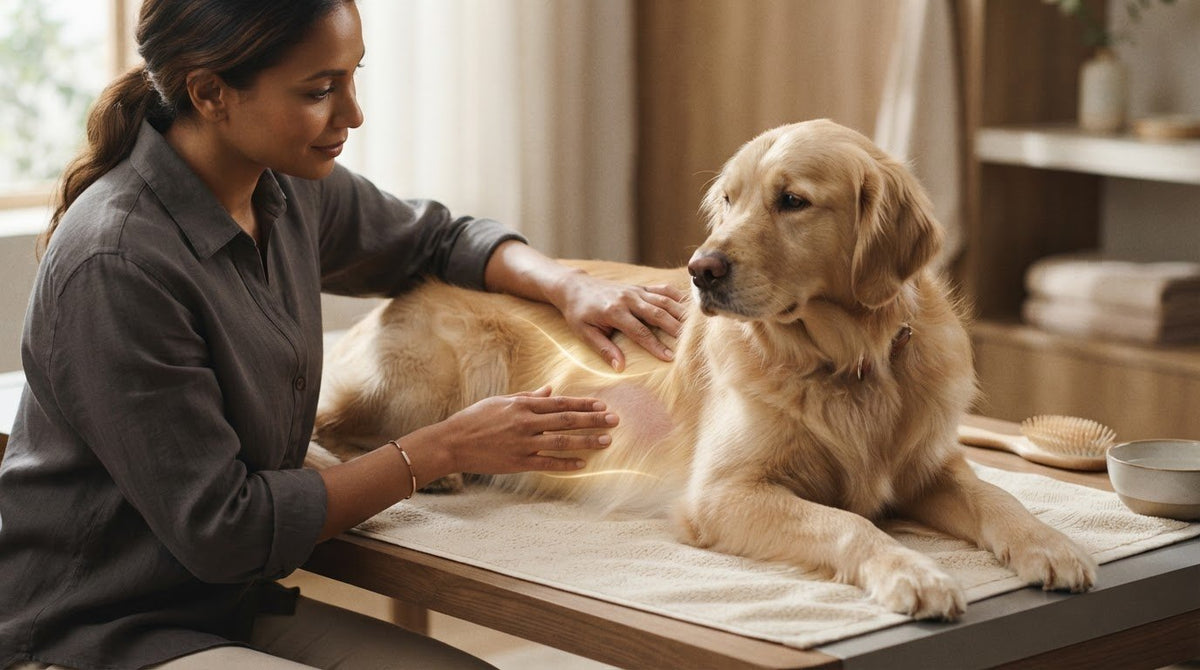
Line brushing reaches the coat near the skin instead of smoothing only the top layer. Part the hair into a small section, brush outward from the skin, then move to the next section. Follow the direction the coat naturally falls and use gentle strokes. Pay special attention behind the ears, under the collar, in the armpits, between the legs, and around the tail. These areas often rub or tangle during everyday movement.
Choose tools that suit your dog’s coat. A slicker brush can help loosen tangles in medium- to long-haired dogs, while a bristle brush suits short coats and helps lift dirt and loose hair. Finish with a comb to check smaller areas and find knots a brush may miss. The comb should glide through the coat without resistance. Brush before and after bathing, since loose tangles can tighten as the fur dries.
To work through a small tangle safely, hold the fur close to the skin so brushing doesn’t pull. Gently separate the knot with your fingers, then use short strokes from the outer edge toward the center. Pause if your dog seems uncomfortable or the tool meets strong resistance. Don’t tug, cut close to the skin, or force a comb through a tight mat. Large mats near sensitive areas, irritated skin, or severe stress during brushing call for professional help.
Regular brushing helps remove dirt, prevent matting, and distribute natural oils through the coat. Long-haired or curly-coated dogs often need daily brushing; long-haired dogs may need brushing daily or every other day. With line brushing, section the fur and brush outward from the skin instead of brushing only the surface. Avoid wetting long-haired dogs’ coats between professional grooming appointments. If the coat gets wet, promptly brush, detangle, and blow-dry it.
2. Bathing frequency and spot-cleaning
For regular home bathing, choose a gentle, dog-specific shampoo, such as Pure Wash dog shampoo, and pair it with a dog conditioner. A general bathing guide is every 4-6 weeks, though breeds, coat type, and lifestyle affect how often your dog needs a full wash. Don’t use human shampoo. Its formulation can cause unwanted skin effects in dogs.
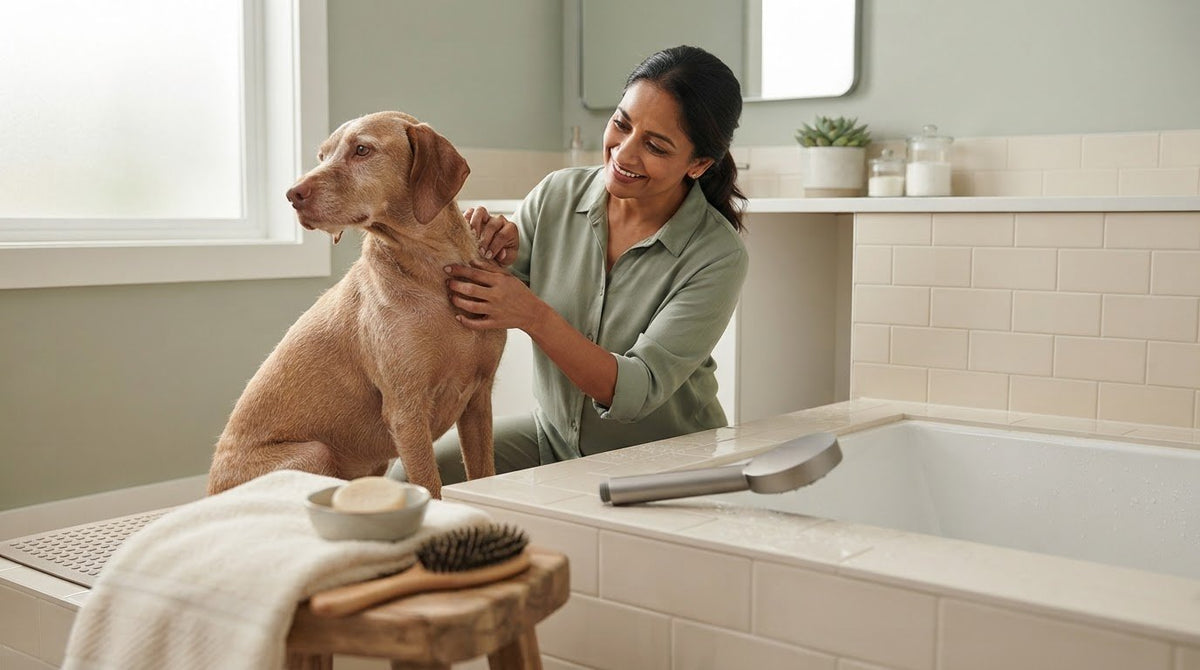
Prepare the bath area to keep the process calm. Brush your dog first to clear loose hair and surface tangles, then set out towels and shampoo before bringing them to the tub. Wet the coat thoroughly with lukewarm water and gently work shampoo through it, avoiding the eyes, ears, and nose. Rinse thoroughly until no residue remains, as leftover product can irritate the skin.
Not every patch of dirt calls for a full bath. For a muddy paw, belly, or small spot, use a soft, damp cloth to clean only the soiled area. Around the eyes, wipe the surrounding fur with a soft, damp cloth or sponge and room-temperature water. Don’t wipe or try to clean the eyes themselves. If your dog has facial wrinkles or skin folds, clean them daily and dry them thoroughly to help limit irritation.
After rinsing, gently squeeze excess water from the coat, then towel-dry without vigorous rubbing. Let your dog air-dry or use a pet-safe hairdryer on a low setting. Keep the dryer moving and stop if your dog seems uncomfortable. If a long-haired dog gets wet between appointments, promptly brush and detangle the coat, then blow-dry it. Damp, tangled hair can become harder to manage as it dries.
Remember, bathing frequency isn’t a competition. A dog that rolls in mud or swims may need a rinse or spot-clean sooner, while a clean indoor dog may need fewer full baths. Follow the product’s directions, rinse well, and watch how your dog’s skin feels afterward. If irritation develops, discontinue use. For dogs with sensitive skin, puppies, or seniors, choose a gentle formula suited to their needs.
Conditioning after shampooing can help keep the coat smoother and make brushing easier. Coat Condition, an anti-tangle premium conditioner, is designed for use after shampooing and rinses clean. Apply conditioner through the coat, focusing on the ends and tangles, then rinse thoroughly. It can support easier brush-out, but it isn’t a way to loosen severe mats during a bath.
Gentle, targeted cleaning and thorough rinsing make home care more comfortable for your dog. Choose a full bath when the coat needs an overall wash, and spot-clean when only one area is dirty.
3. Care after rain, snow, and outdoor activities
After a rainy walk, snowy play, or muddy trail, check your dog before settling indoors. Wet debris can cling to the coat, and snow can form compacted balls around the paws, legs, and belly. Removing debris promptly helps prevent discomfort and keeps damp grit from rubbing against the skin. Lay out a towel and check your dog in a calm place with good light.
Check the areas that collect the most outdoor debris first: paws, between the toes, lower legs, belly, ears, and tail. Use your fingers to lift away loose leaves, burrs, and small twigs. Wipe mud from the affected area with a damp cloth, then dry it with a towel. If debris is caught near the skin or your dog flinches, stop rather than pulling at it.
Rain or snow can leave long coats damp beneath the surface, even when the outer hair looks dry. Gently part the coat with your fingers and check near the skin, especially under the collar and around the legs. Brush away loose wet debris, then dry the coat thoroughly. A pet-safe dryer on a low setting can help. Keep it moving and give your dog a break if they seem uneasy.
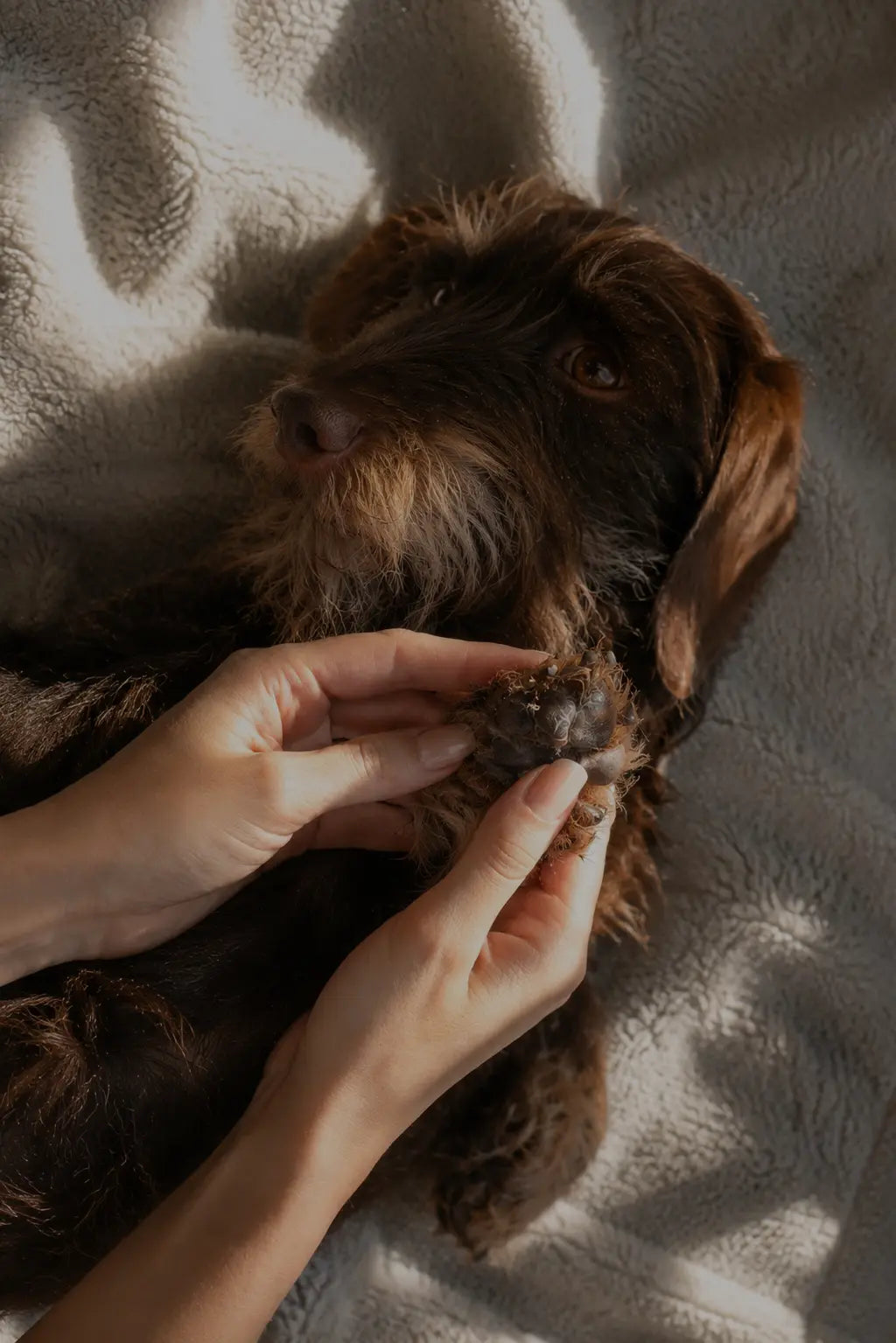
After snow, check for packed clumps between the toes and around the paw pads. Loosen them gently with your fingers or a soft, damp cloth rather than pulling. Dry the paws well, then look for redness, grit, or small cuts. For rough or dry paws after a walk, Barrier Balm helps hydrate the skin. Keep the coat itself dry between appointments when possible.
After hiking, camping, or walking through tall grass, inspect your dog’s coat for fleas and ticks. A flea comb can help you check close to the skin, including around the ears, neck, armpits, and tail base. Work slowly through small sections and check the comb after each pass. If you find a parasite or need advice about effective prevention, consult your veterinarian.
Swimming calls for a separate check. Rinse away sand or lake debris when needed, then dry the coat and ears. Don’t push cotton swabs into the ear canal. If your dog’s coat tangles while wet, gently work through loose knots and avoid forceful brushing. Regular post-adventure checks help your dog stay comfortable and make it easier to spot debris or skin irritation before the next grooming appointment.
4. Matting and when to seek professional help
Matting affects more than a dog’s coat. A tight knot can pull on the skin, causing discomfort and potentially leading to skin complications if left unmanaged. Mats often form where hair rubs or gathers, such as behind the ears, beneath a collar, in the armpits, and between the legs. Check these areas during routine brushing, especially on long or curly coats. It’s safer to catch a small tangle early than to undo a dense mat later.
For a loose tangle, keep your dog settled on a steady surface and work in good light. Separate the outer hairs with your fingers, then hold the coat close to the skin to reduce pulling. A slicker brush can help with medium- or long-haired coats, but use short, gentle strokes at the edge of the knot. Stop if brushing causes pain or your dog repeatedly pulls away.
Work only on what releases easily. Ease a few hairs free at a time, moving from the mat’s outer edge toward its center. Don’t drag a comb through a tight knot, yank the hair, or use scissors close to the skin. A dog’s skin can be drawn into a mat, making a cut difficult to judge. If a comb meets firm resistance after gentle work, leave the mat alone and seek professional help.
Some mats need professional help, not another home grooming attempt. Get help for severe matting that can’t be safely removed, large mats near sensitive areas, skin irritation or discomfort, or extreme stress during brushing. For example, a dense mat in an armpit can be difficult to reach without pulling delicate skin. Redness, tenderness, or a sudden change in your dog’s response are reasons to stop and consult a professional.
Matting can make everyday movement uncomfortable. A mat near the collar may tug with each head turn, while knots between the legs can catch as your dog walks. Don’t try to smooth the coat by brushing harder. Pain, skin irritation, and stress matter more than appearance. If your dog becomes distressed, pause the session and don’t force another pass.
To reduce repeat matting, check friction points during each brushing session and after removing the collar. Keep the coat dry when possible, since damp long hair can tangle as it dries. If it gets wet, gently detangle and dry it promptly. A comb should pass through the finished area without resistance. If it catches again, check for a hidden knot instead of pulling.
5. Advice from professional groomers
For most breeds, plan a professional grooming visit every 4 to 6 weeks to help keep the coat manageable. The right timing still depends on coat growth, texture, and your dog’s home routine. A long-haired breed that tangles easily may need closer attention than a short-coated dog. Ask your groomer to point out areas that need extra brushing before your next appointment, such as behind the ears or beneath the collar.
Use each grooming appointment to learn what works for your dog. Ask the groomer to demonstrate a safe brush angle, how to part the coat, and how much pressure to use. Then practise on a small section at home while your dog is relaxed. For puppies, start early with soft tools and pleasant rewards so brushing feels familiar rather than stressful.
Keep a simple coat-check routine, especially during warmer months. Run your hands through the coat and look for fleas, ticks, burrs, or new skin changes. A flea comb can help you inspect close to the skin. If you find a parasite, consult your veterinarian about effective prevention. Grooming products alone don’t manage parasite concerns.
Comfort involves more than the coat. Keep nails trimmed and the hair around the eyes, ears, and paws neat, since these areas can affect comfort and safety. Don’t use cotton swabs inside your dog’s ears, as they can damage the ear canal. If your dog swims, clean and dry the ears afterward. For persistent odor, redness, or irritation, note when it began and share those details with your veterinarian.
Daily habits can protect the coat between visits. Remove your dog’s collar while they’re indoors when practical, especially if fur mats beneath it. Check the skin under the collar before putting it back on. For a bath, choose a gentle, dog-specific Pure Wash shampoo and rinse it thoroughly. Frequent bathing or a poorly rinsed coat can contribute to dryness or irritation, so follow the product directions and your groomer’s guidance for your dog’s coat.
Good care doesn’t mean brushing harder or bathing more often. Keep a brief grooming note on your phone with appointment dates, tangles, skin changes, and areas your dog dislikes. Bring it to the next visit. A clear example, such as “knots form under the front legs after rainy walks,” helps your groomer suggest a practical home routine for your dog.
Essencera: Pure Wash
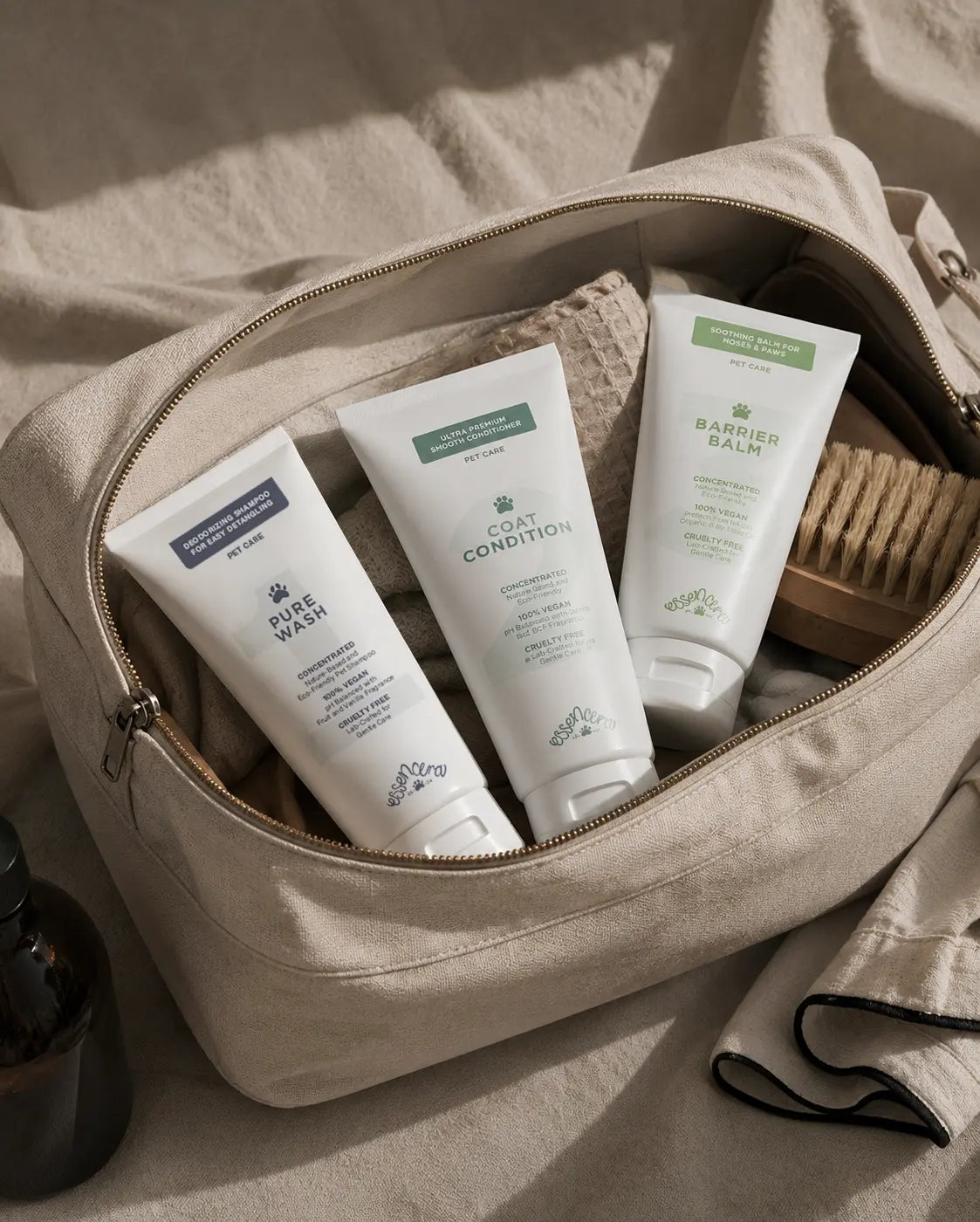
Pure Wash offers a gentle, concentrated cleansing option for at-home baths and different coat types. Its coconut-derived cleansers help lift dirt, while hyaluronic acid and amino acids support hydration and coat care. Follow the product directions and rinse thoroughly. Use it when your dog needs a full bath, rather than a quick spot-clean. Calm Wash is another gentle option for sensitive skin.
After shampooing, Coat Condition is Essencera’s anti-tangle premium conditioner. It helps smooth the coat and make brushing easier, but it won’t loosen severe mats. For dry or rough paws and noses, Barrier Balm helps hydrate those areas. The Gentle Start Bundle combines Calm Wash, Coat Condition, and Barrier Balm for a simple routine.
Explore Pure Wash dog shampoo and find a caring fit for your home grooming routine.
Build a routine that fits your dog
The best home-care plan is one you can follow calmly and consistently. Let your dog’s coat and comfort guide the routine, adjusting it as seasons, outdoor habits, or coat changes call for more attention. Brief notes about what works can also make your next grooming appointment more useful.
For bath days, Pure Wash Shampoo offers a gentle cleansing option. Coat Condition, Essencera’s premium anti-tangle conditioner, helps smooth the coat, while Barrier Balm helps hydrate rough paws and noses. These products can support home care, but severe mats or skin concerns still call for professional help.
A steady approach to how to maintain your dog’s coat between professional grooms can make coat care feel like a natural part of time together. Explore Essencera’s grooming products, including Pure Wash and other coat-care essentials, and choose what suits your routine. Small, gentle habits add up. Your dog’s next brush can be a lovely place to start.
Frequently Asked Questions
Why is it important to keep on top of your dog’s grooming between appointments?
Regular home care helps you notice coat changes before the next appointment. During a quick check, look for new redness, unusual tenderness, or changes in how your dog responds to touch. These details can help you describe a concern clearly at the next grooming visit. Also check areas affected by everyday wear, such as the skin beneath a collar and the hair around the paws.
How often should I brush my dog between professional grooming appointments?
Brush long or curly coats daily, medium coats 2-3 times a week, and short coats 1-2 times a week. Double-coated dogs generally need brushing 2-3 times weekly, with more attention during seasonal shedding. Make each session manageable by brushing a small area at a time. If your dog becomes uncomfortable, pause and try again later rather than turning grooming into a struggle.
How often should I bathe my dog between professional grooms?
A general guide is to bathe your dog every 4-6 weeks, adjusting for coat type, lifestyle, and how dirty the coat becomes. For a muddy patch after a walk, spot-cleaning may be enough instead of bathing the whole dog. Use a gentle, dog-specific shampoo such as Pure Wash dog shampoo, and rinse thoroughly to remove residue.
How can I maintain different coat types between professional grooms?
Use coat type to shape both your schedule and tools. Long or curly coats need daily brushing, while short coats generally need brushing 1-2 times a week. Medium coats benefit from brushing 2-3 times weekly, and double coats need regular brushing with extra care during shedding. Choose a bristle brush for short hair, a slicker brush for longer coats, and finish with a comb to find missed tangles.