Understanding the Skin Barrier in Dogs: A Gentle Care Guide
What if your dog’s skin barrier needs gentle support, not less grooming? It’s understandable to worry that a bath or brush might make dryness worse, especially when skin changes are hard to interpret. Understanding the skin barrier in dogs can make everyday care feel less uncertain: think of it as a protective outer layer that helps hold moisture in and limit contact with irritants.
The barrier is influenced by more than grooming products. Skin biology, the environment, allergies, and parasites can all play a part, so a grooming routine can support comfort but can’t diagnose or treat a medical problem. In this guide, you’ll learn how the barrier works, what may affect it, and how to approach bathing and grooming gently. You’ll also learn what changes to observe and when to seek veterinary advice. The aim is a calm, practical routine that cares for your dog’s skin without guesswork.
Key Takeaways
- Understanding the skin barrier in dogs helps explain why skin health depends on the body’s protective layers, not on shampoo alone.
- Skin cells, lipids, and the skin’s natural community of microorganisms have different roles in supporting the skin’s surface.
- Dryness, redness, flaking, or persistent scratching are signs to observe, not a diagnosis. Know when changes call for veterinary advice.
- Build a gentle routine by checking the skin, cleansing carefully, conditioning, rinsing thoroughly, and reassessing your dog’s comfort.
- For sensitive-skin cleansing, Calm Wash is one option. Pair grooming with Coat Condition, the anti-tangle premium conditioner, and reserve Barrier Balm for paws and nose.
Understanding the Skin Barrier in Dogs: What It Does and Why It Matters
Your dog’s skin does more than cover the body. Its outer surface helps hold moisture in and provides a first line of defense against things in the environment that may irritate the skin. Understanding the skin barrier in dogs makes it easier to think about skin care as support for a living part of the body, rather than relying on one product to solve every concern.
The canine skin barrier is the outer protective system that helps retain moisture and limit exposure to irritants.
This barrier isn’t a separate film that can simply be applied or washed off. It depends on the condition of the skin itself, including its surface cells and the natural fats, called lipids, between them. Together, these help the skin stay hydrated and resilient. A healthy barrier is one part of overall skin care, but it can’t block every trigger or prevent every skin problem.
Where is the skin barrier on a dog?
The epidermis is the outer layer of a dog’s skin. Its surface forms much of the barrier’s physical protection. You can picture the cells as closely arranged pieces, with lipids helping fill the spaces between them. This structure helps slow moisture loss and reduces direct contact with irritants. It’s part of the skin, not a coating that looks or feels the same on every dog.
The barrier is present across the skin, but changes may be easiest to notice where the coat is thin, parted, or naturally sparse. A dry-looking patch, for example, tells you what the surface looks like, not what caused the change. Its appearance can be useful to describe to your veterinarian, but it isn’t enough on its own to identify a skin condition.
How does the skin barrier relate to skin comfort?
When the skin barrier is functioning well, it helps limit water loss and supports a comfortable skin surface. If that balance is affected, skin may look or feel dry or irritated. These signs can have more than one explanation, and dogs can respond differently to weather, environmental substances, and grooming routines.
That’s why a single sign shouldn’t be treated as a diagnosis. Flaking might appear after a change in conditions, while redness or repeated scratching can have causes that need veterinary assessment. Notice where a change appears, whether it is spreading, and whether your dog seems bothered by it. Those observations are more useful than guessing based on appearance alone.
Gentle, thoughtful care can support comfort, but no grooming product can address every cause of skin changes. If a concern persists, worsens, or seems uncomfortable for your dog, seek veterinary advice. Daily observation and a calm approach help you avoid treating ordinary dryness and a medical skin problem as if they were the same thing.
How the Canine Skin Barrier Works: Skin Layers, Lipids, and Microbiota
The skin’s outer protection is a coordinated system, not a single coating. The epidermis, fats called lipids, and the community of microorganisms living on the skin each have distinct roles. Thinking of them as related but separate parts makes the science easier to apply: a change you can see on the surface doesn’t necessarily reveal what’s happening throughout the system.
The skin barrier is the protective structure of the outer skin, while the skin microbiota is the community of microorganisms living on and around that surface. They’re connected, but they aren’t the same thing.
What do the epidermis and outer skin layer do?
The epidermis is the skin’s outer tissue layer. Its surface cells are arranged together to help protect the tissue beneath. The outermost part works with lipids between those cells to create a flexible boundary. It isn’t a sealed shell, but living skin that responds to its surroundings.
This structure helps the skin maintain its surface and limit water escaping from it. It also reduces direct contact with some substances, though it can’t keep every environmental factor out. The practical point is that the outer skin is functioning tissue, not a layer that a grooming product can completely replace or “reset.”
What role do skin lipids and microbiota play?
Skin lipids are fats found within and on the outer skin. Between surface cells, they help support the skin’s structure and moisture balance. Their role is part of a broader system, so it’s best not to assume that one ingredient can independently rebuild or control the barrier.
The skin microbiota is the community of microorganisms associated with the skin, including bacteria and fungi. Their presence is normal, and the community can vary among dogs and across areas of the body. Healthy skin care isn’t about trying to eliminate these microorganisms. It’s about caring for the skin without treating its natural microbial community as a problem to wash away.
These parts are related, but they aren’t interchangeable. The epidermis and its lipids describe physical skin structure, while microbiota refers to the organisms living on the skin. A visible change can’t tell you which part, if any, is involved. Keep that distinction in mind when observing your dog, and don’t assume a surface change identifies a specific cause.
Can a Dog’s Skin Barrier Be Disrupted? Signs, Triggers, and Limits of Home Care
Skin changes can be worrying, but a patch of dryness or a bout of scratching doesn’t reveal the cause on its own. These are observations, not a diagnosis. Irritation may have different explanations, including contact with something in the environment, parasites, an underlying health issue, or a reaction to a grooming product. Sometimes more than one factor may be involved.
Understanding the skin barrier in dogs isn’t about trying to identify a condition from a checklist. It’s about noticing what has changed, responding gently, and knowing when a veterinarian should take a closer look. Changing a grooming product may be worth considering as part of routine care, but changing a cleanser alone can’t be expected to resolve every skin concern.
Which changes might prompt closer attention?
Look for dry or flaky areas, redness, unusual odor, visible bumps, or scratching that continues or returns. Note where the change appears and whether your dog seems bothered by it. A quick photo can help you compare how the area looks over time, but it can’t identify the cause.
A simple record can make a veterinary conversation more useful. Write down when you first noticed the change, whether it has happened before, and any recent changes in your dog’s surroundings or grooming routine. Include the names of products used and when they were applied. Don’t use a symptom list to decide that your dog has a particular allergy or skin disease.
When is grooming not enough?
Routine grooming can help keep a dog clean and comfortable, but it doesn’t diagnose or treat skin disease. Ask your veterinarian for advice if changes persist, worsen, recur, or seem painful. Seek guidance as well if your dog is scratching persistently or the skin looks increasingly irritated. These signs deserve attention rather than repeated product changes.
While you’re keeping track, avoid adding several new products at once. That can make it harder to tell what changed, and a product that works well for one dog may not suit another. If you’re considering a sensitive-skin cleanser for normal grooming, Calm Wash is positioned for sensitive dogs, but it isn’t a substitute for veterinary assessment.
Follow any care instructions your veterinarian gives you, especially if your dog already has a diagnosed skin condition or is receiving treatment. Medicated care may require specific product choices or use instructions, so don’t replace or add to it based only on general grooming advice. If irritation develops after using a grooming product, discontinue it and contact your veterinarian for guidance.
Most of all, trust the pattern you’re seeing. One brief episode may be different from a problem that keeps returning or affects your dog’s comfort. Careful observation helps you share clear details, while veterinary advice helps determine what those details mean and what support your dog needs.
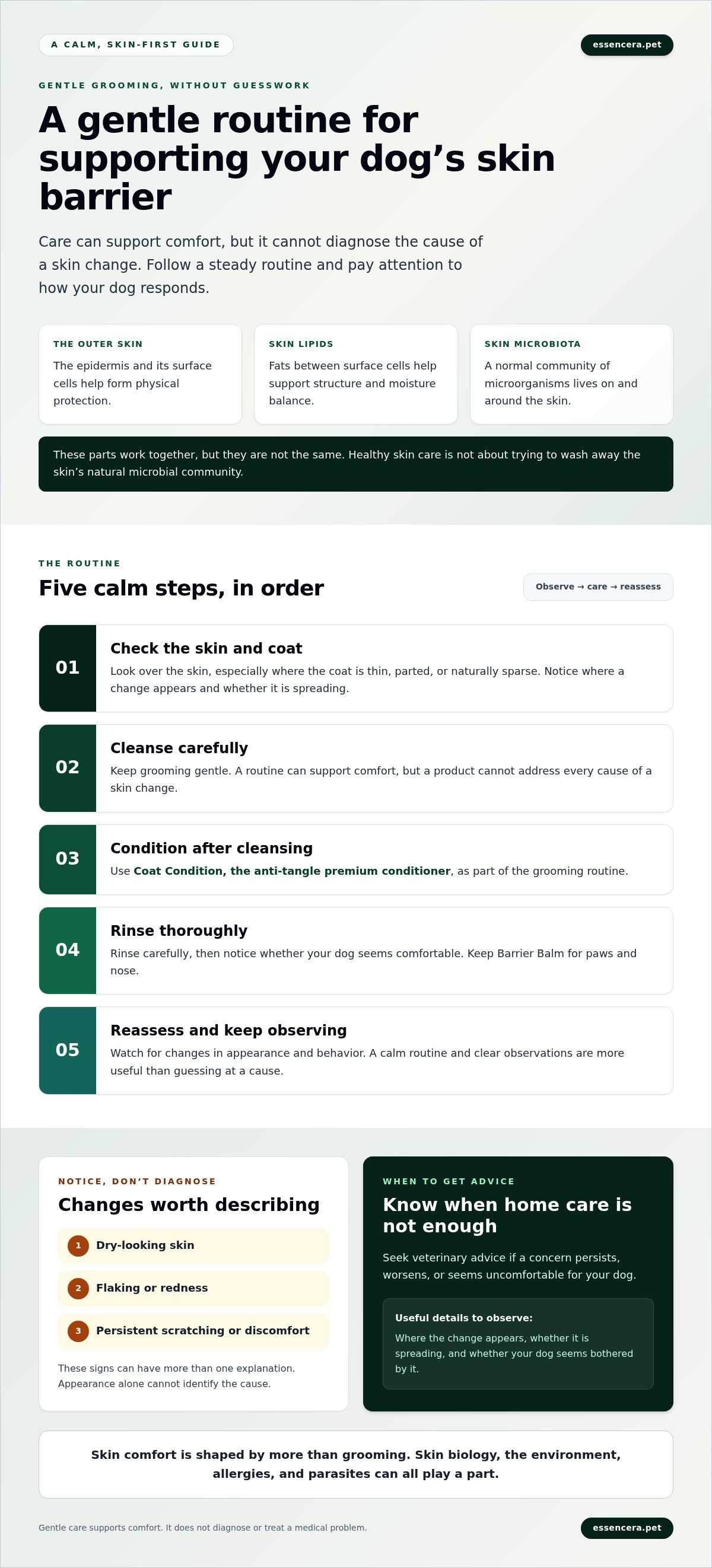
How to Support Your Dog’s Skin Barrier With a Gentle Grooming Routine
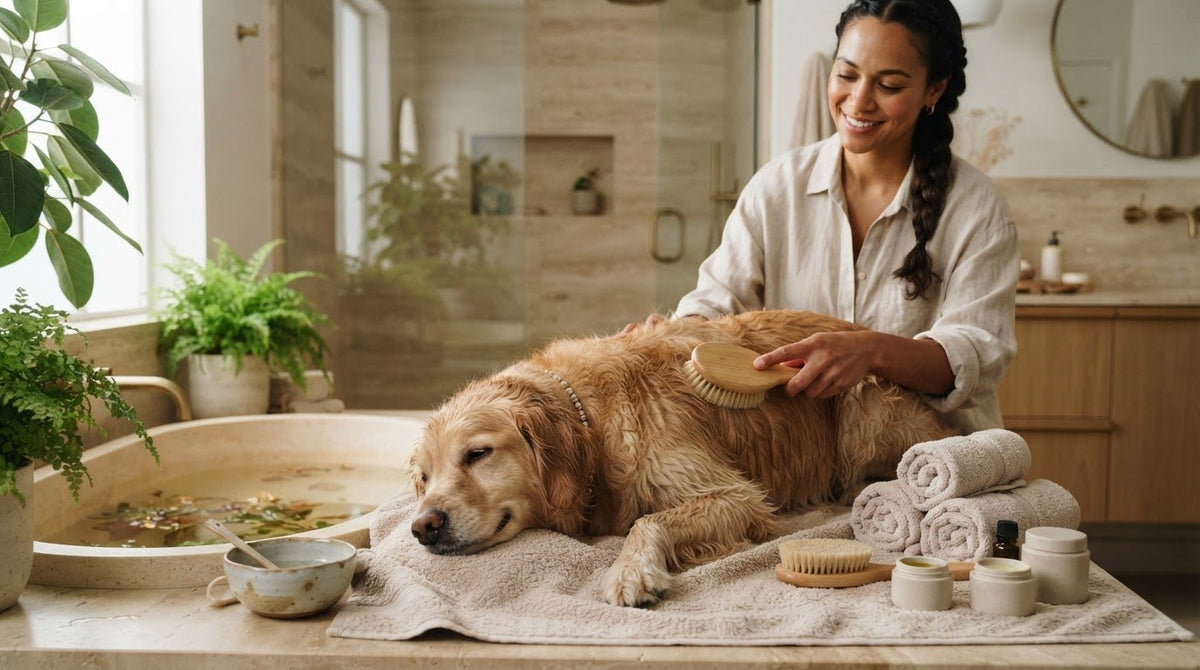
A steady, gentle routine can support your dog’s skin without turning grooming into a complicated project. Think in simple steps: observe, cleanse, condition, rinse, and reassess. The right approach can vary with your dog’s coat, lifestyle, and skin needs, so there isn’t one bathing schedule that suits every dog. If your veterinarian has given you specific instructions, follow those first.
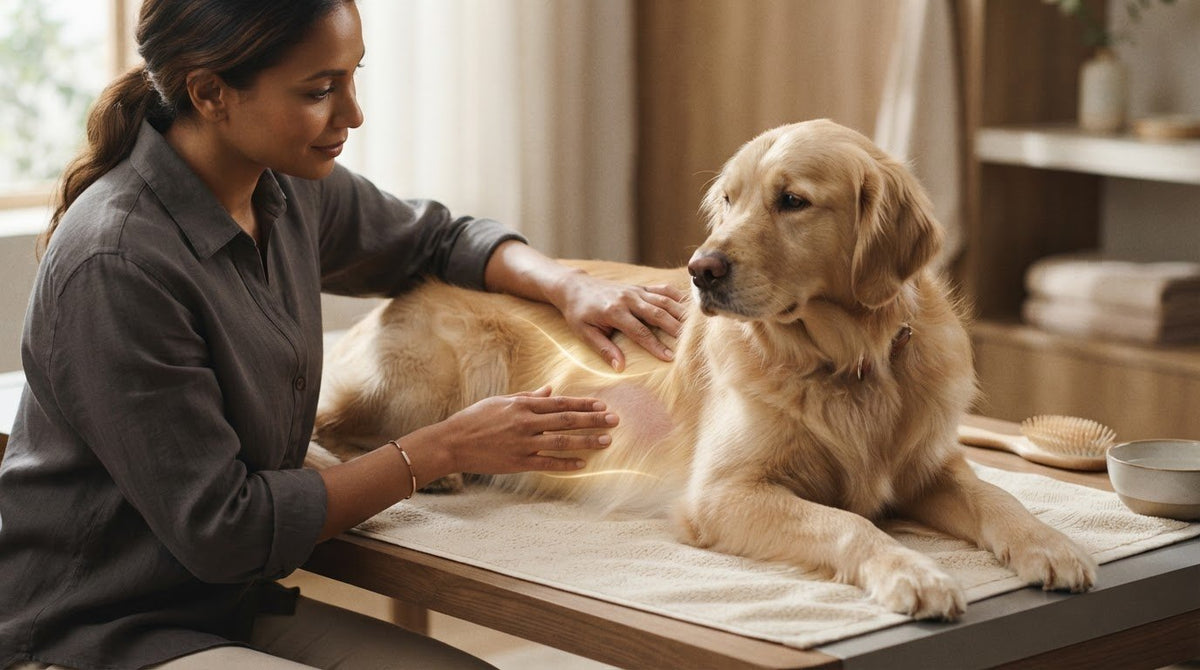
- Observe. Before grooming, part the coat in a few places and look for changes such as redness, flakes, or areas your dog doesn’t want touched. If a change is persistent, worsening, recurring, or painful, ask your veterinarian for advice rather than treating it as routine dryness.
- Cleanse gently. Choose a dog-specific cleanser that suits your dog, follow its label, and massage it in gently. Avoid the eyes and don’t scrub irritated areas.
- Condition. Use a conditioner as directed, focusing on coat areas that need conditioning and easier comb-through.
- Rinse and reassess. Rinse thoroughly, then check your dog’s skin and comfort after grooming. Make a note of any reaction or change.
How can owners keep cleansing gentle?
Follow the product label for application and rinsing, and keep product away from your dog’s eyes. A large amount of foam isn’t proof that a cleanser is working better, just as less foam alone doesn’t show that it’s ineffective. For a dog with sensitive skin, Calm Wash is one sensitive-skin cleansing option.
For both washing and conditioning, follow the product directions: leave for 2-3 minutes, then rinse thoroughly. Don’t extend contact time or repeat a wash unless the product label or your veterinarian’s directions support doing so. If irritation appears after using a product, stop using it and seek veterinary guidance.
Why include conditioning and localized care?
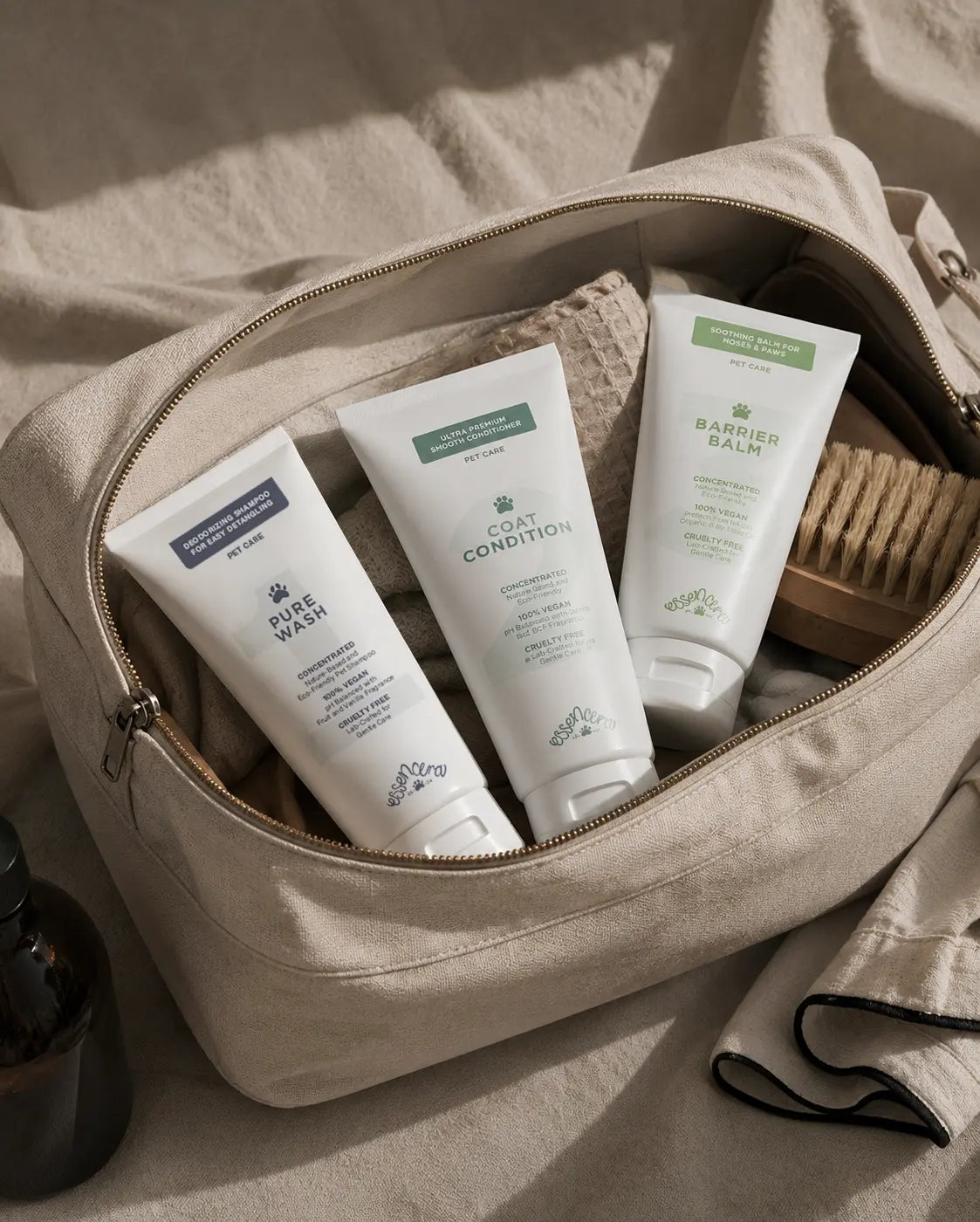
Conditioning is a separate step from cleansing. Coat Condition is the anti-tangle premium conditioner, intended to complement grooming and support easier coat care. For dry, rough areas specifically on the paws or nose, Barrier Balm is a balm that helps hydrate skin in those localized spots. Use each product only as directed.
Grooming can support everyday skin care, but it can’t diagnose or replace veterinary assessment. That distinction matters if signs keep returning or your dog seems uncomfortable. Understanding the skin barrier in dogs helps make routine care more thoughtful, while a veterinarian can assess concerns that go beyond grooming.
Build a simple clean, condition, and protect routine around your dog’s needs. Use Coat Condition, the anti-tangle premium conditioner, as the conditioning step.
A Skin-First Dog Care Routine: Choosing Gentle Support Without Overpromising
A skin-first routine doesn’t need to be complicated. Choose each step for its purpose: gentle cleansing for the coat, conditioning after washing, and targeted hydration for dry areas such as the paws or nose. Your dog’s needs may shift with their coat, lifestyle, and comfort, so let their response guide your routine rather than following a rigid schedule.
Which routine elements match common grooming needs?
For dogs with sensitive skin, Essencera’s Calm Wash is a gentle cleansing option positioned for sensitive skin and puppies. Choose a cleanser based on your dog’s routine, follow its directions, and keep it away from the eyes.
After cleansing, Coat Condition is the anti-tangle premium conditioner and the conditioning step in the routine. It’s intended to complement grooming and support coat care, especially when you want to make brushing more manageable. Use it as directed, leave for 2-3 minutes, then rinse thoroughly.
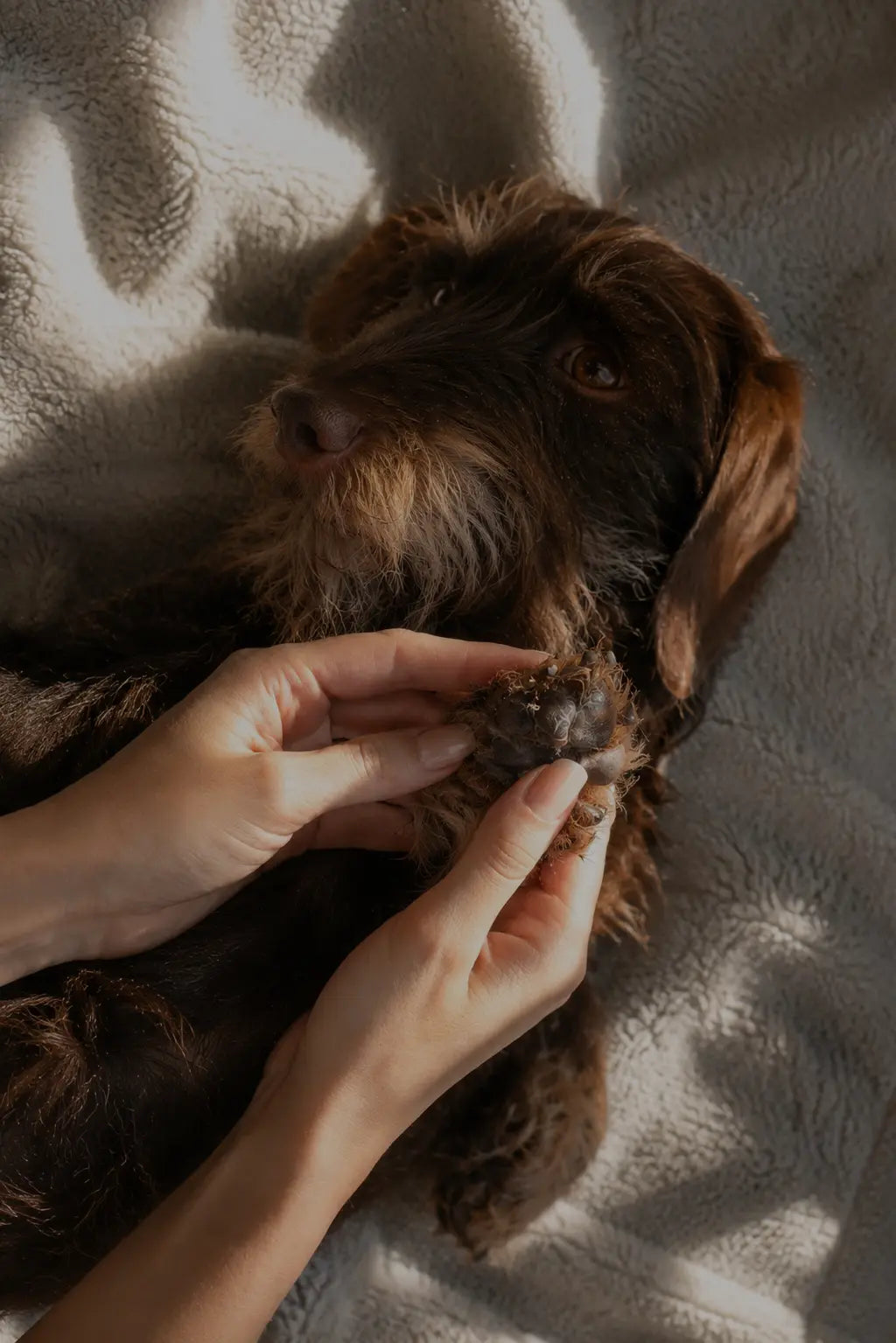
Dryness limited to the paws or nose calls for localized care rather than a product for washing the whole coat. Barrier Balm is a balm for paws and nose that helps hydrate skin or rough areas. It provides a lightweight protective layer without a heavy or greasy finish. Keep its use focused on those areas and follow the product directions.
What should owners expect from supportive grooming?
Think of grooming products as practical tools, not diagnostic tools. They can support cleansing, conditioning, and care for localized dry areas, but they can’t identify why your dog’s skin is changing or treat a medical condition. Keeping that distinction clear helps you set realistic expectations and notice when routine care may not be enough.
Pay attention to your dog during and after grooming. If irritation develops after using a product, stop using it. If a concern persists, worsens, seems painful, or keeps returning, ask your veterinarian for advice. Follow veterinary directions before changing or adding products, especially if your dog already has a skin concern.
Understanding the skin barrier in dogs can help make everyday choices feel more considered. Choose a suitable cleanser when washing is needed, condition the coat, and reserve balm for dry paws or nose. Keep the routine calm and tailored to your dog, and explore Essencera’s gentle grooming options when you’re ready to find support for your companion.
Make Gentle Skin Care Part of Your Routine
Understanding the skin barrier in dogs can guide small, thoughtful choices at home. Keep grooming calm, notice how your dog responds, and shape routine care around their comfort rather than chasing a perfect-looking coat. If a skin concern persists or worries you, your veterinarian can help you decide what comes next.
Essencera’s 3-Step Care System is Clean, Condition, Protect. Use it as a simple framework for making grooming feel intentional, with each step serving a different purpose in your dog’s care.
Every dog’s skin and coat are different, so let comfort and careful observation guide your next steps. Explore Essencera’s skin-first dog care to find gentle grooming support for your companion. A little care, offered consistently and thoughtfully, can make grooming feel more reassuring for both of you.
Frequently Asked Questions
Will it help with my dog's skin allergies?
Grooming products may support a gentle routine, but they don’t diagnose or treat allergies. Essencera positions Calm Wash for sensitive skin, but ongoing itching or irritation needs veterinary advice. Understanding the skin barrier in dogs can help you make thoughtful grooming choices, not identify the cause of symptoms. Keep a note of flare-ups and products used to share with your veterinarian.
Do I need to use conditioner?
Conditioner is a useful step after cleansing, especially if your dog’s coat tangles or feels dry. Essencera’s Coat Condition is the anti-tangle premium conditioner, and the brand states that it improves skin barrier function. Apply it as directed, leave for 2-3 minutes, then rinse thoroughly. If your dog’s skin is being treated by a veterinarian, follow their guidance about which grooming products to use.
Is it safe for puppies?
Calm Wash is positioned for puppies, including those having early grooming experiences. Introduce grooming gently and follow the product directions, keeping it away from your puppy’s eyes. For a puppy with a known sensitivity or a current skin concern, ask your veterinarian before changing their routine. If irritation develops after using a product, stop using it and seek veterinary advice.
Why doesn't it foam as much as other shampoos?
Foam level alone doesn’t tell you whether a cleanser is doing its job. A low-lather formula can still cleanse when used as directed, so focus on gently working it through the coat and rinsing thoroughly rather than adding more just to create extra bubbles. If dirt remains after rinsing, check the product directions before deciding whether another wash is appropriate.
What's the difference between the three washes?
Each wash has a different intended use: Pure Wash is for gentle, frequent cleansing; Calm Wash is positioned for sensitive skin and puppies; and Shield Wash is intended for outdoor dogs and seasonal pest defense. Choose based on your dog’s grooming needs, and remember Shield Wash is not for cats.
Can I dilute it to make it last longer?
No. Essencera’s concentrated washes are designed to be used undiluted, and the brand advises that diluting them can reduce effectiveness. Use the amount and method stated on the product directions instead of adding water to stretch the formula. If you’re unsure how much to use for your dog’s coat, follow the product’s amount guidance and adjust for coat length and density.