Signs I'm over-bathing my dog and what to look for
A clean-smelling dog can still be getting too many baths. For most dogs, bathing every four to six weeks is a reasonable starting point, but coat type, activity, and skin health can change the right routine. Signs I'm over-bathing my dog may include dry, flaky skin, itching after a bath, irritation, or a dull, brittle coat.
It’s understandable to reach for Pure Wash shampoo when your dog gets muddy or starts to smell, but frequent washing isn’t always the answer. This guide explains how to spot possible over-bathing, why your dog’s coat and lifestyle matter, and how thorough rinsing can help prevent irritation from leftover shampoo. You’ll also learn when a bath may be useful and when persistent skin symptoms call for a closer look.
Key Takeaways
- Match bath timing to coat needs: short-coated dogs may need fewer baths than long, curly, or wool-coated dogs.
- Watch for itching, flakes, redness, or a dull coat after bathing, and note whether symptoms appear or worsen after wash day.
- For ongoing skin problems, follow veterinary bathing guidance rather than increasing baths or changing products on your own.
- Rinse until the water runs clear, since leftover shampoo can irritate skin and trigger post-bath itching.
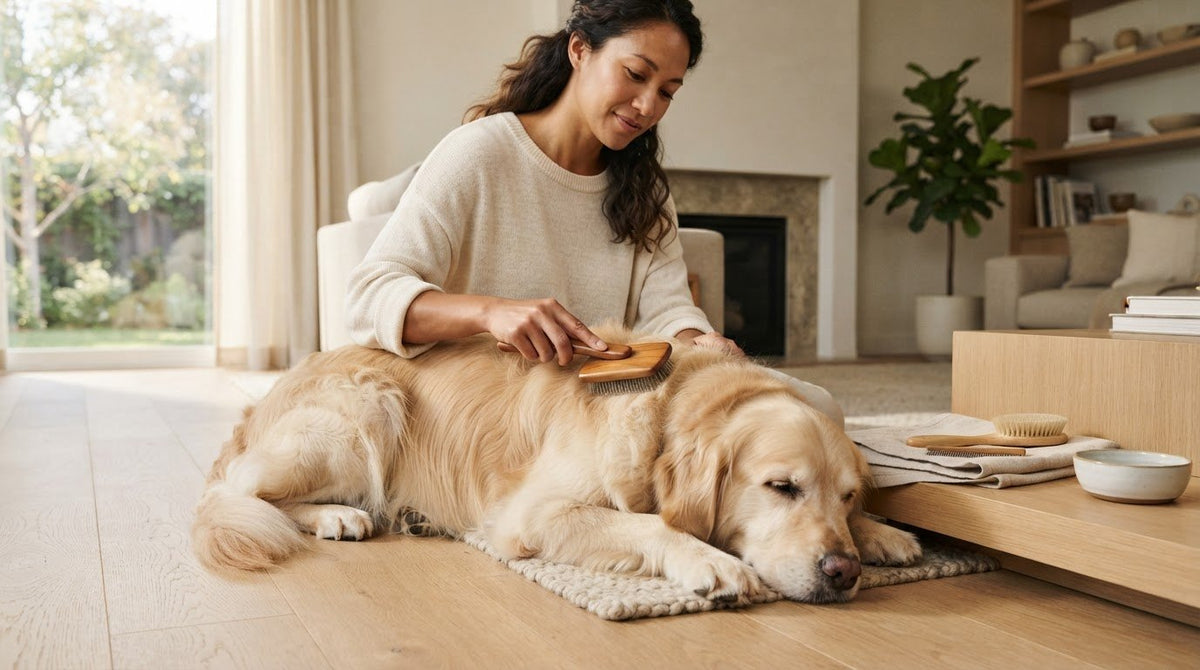
- Between baths, brushing can help lift dirt and distribute natural oils, so a full shampoo isn’t always the only way to freshen your dog.
1. Potential effects of frequent bathing on some coat types
Bathing too often can leave a dog’s coat dull, brittle, or more prone to tangles. Washing may remove natural oils that help keep the skin barrier comfortable and the coat supple. If rough fur or new flakes appear after repeated baths, consider whether the routine is stripping away more than dirt. A Border Collie’s double coat, for example, may need a different schedule from a dog that gets oily quickly.
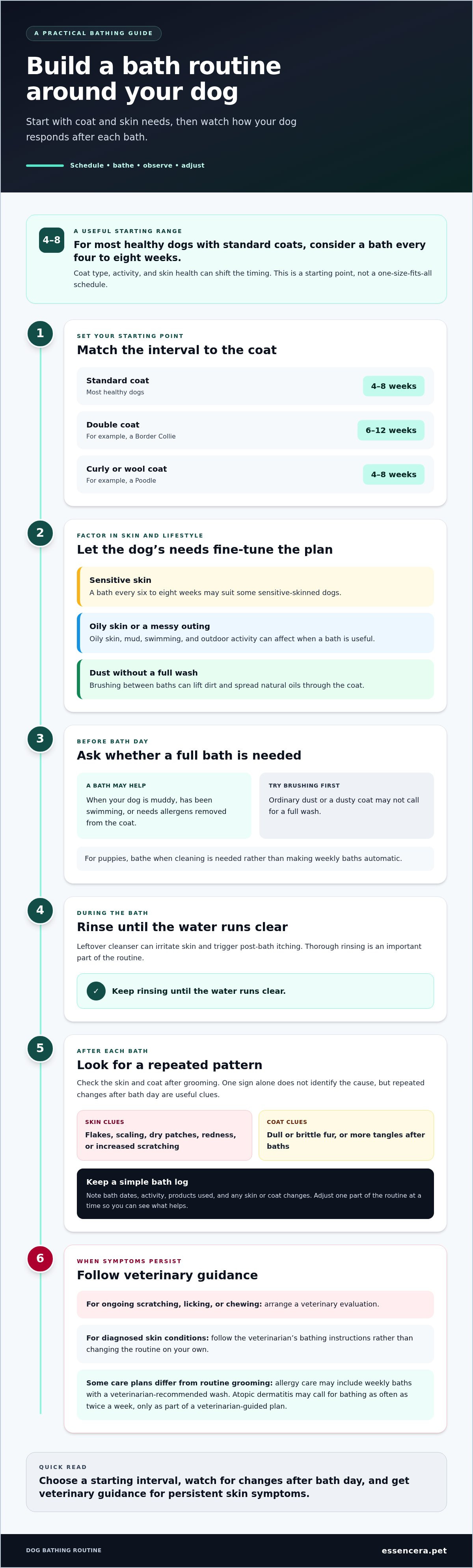
How often should dogs be bathed based on coat type and lifestyle? For most healthy dogs with standard coats, every four to eight weeks is a useful starting range. Double-coated dogs, including Border Collies, may need a bath every six to twelve weeks, while curly- or wool-coated dogs such as Poodles may need one every four to eight weeks. Outdoor activity, coat condition, and skin health can shift that timing.
Skin needs matter as much as coat length. Dogs with oily skin, such as Basset Hounds, may need more frequent baths, while sensitive-skinned dogs may do well with baths every six to eight weeks. Environmental allergens, mud, and swimming can affect when a bath is useful, but a dusty coat may only need targeted cleaning. Brush between baths to lift dirt and spread oils through the coat.
Atopic dermatitis calls for a different approach from routine grooming. A dog with this condition may be bathed as often as twice a week to help manage itchiness, but that frequency belongs in a veterinarian-guided care plan, not a general schedule. The cleanser and the dog’s response matter, too. Soap-free shampoos are recommended for dogs that need frequent bathing. For general cleansing, a gentle dog shampoo for regular use is one option, though a veterinarian should guide care for diagnosed skin conditions.
How often can puppies be bathed safely? Bathe a puppy when it needs cleaning rather than making weekly baths automatic. Choose a gentle, puppy-appropriate shampoo and rinse thoroughly. A puppy rolling in mud may need a bath, while ordinary dust can often be brushed away. If frequent bathing is needed because of itching or a skin condition, follow veterinary guidance.
Look for patterns after grooming: a coat that feels drier after each bath, more tangles in a curly coat, or new irritation in a sensitive-skinned dog. These changes don’t prove bathing is the cause, but they’re useful clues to record alongside bath dates, activity, and products used. Adjust one part of the routine at a time, such as spacing out baths or brushing more often, so you can tell what helps.
2. Bathing as a way to manage itchiness and skin allergies
Baths can help remove allergens from a dog’s skin and coat, but more washing isn’t always better. Over-bathing can strip natural oils, weaken the skin barrier, and leave skin dry, flaky, red, or itchy. A detergent-based shampoo may add to that dryness, especially with frequent use. Human shampoo, including baby shampoo, can also disrupt a dog’s delicate skin balance. For sensitive skin, a gentle dog shampoo for sensitive skin is a more suitable grooming choice.
How can you tell whether a dog’s skin problems come from over-bathing or allergies? Consider the timing: dryness or scratching that begins after repeated baths may point to bathing or the cleanser as a trigger, while symptoms that persist between baths can also fit an allergy or another skin problem. These clues overlap, so the pattern alone can’t identify the cause.
Can frequent bathing cause dry, flaky, or itchy skin in dogs? Yes. Washing too often or using a harsh cleanser can remove protective oils and contribute to dryness, flakes, redness, and scratching. A dull coat or irritated patches after bathing can add to the picture. Keep a simple record of bath dates, cleansers used, and symptoms, including licking or chewing, to spot patterns rather than guess.
Bathing may also be part of allergy care. Dogs with allergies may benefit from weekly baths using a veterinarian-recommended medicated or hypoallergenic shampoo, which can help remove allergens from the coat. That schedule differs from routine grooming: the product and frequency should suit the dog’s condition. Don’t use a medicated wash as a substitute for an evaluation when symptoms persist.
What should you do if your dog has dry skin after frequent baths? Space out nonessential baths, use a gentle cleanser made for dogs, and note whether the skin improves. If scratching, licking, or chewing continues after bathing, arrange a veterinary evaluation. Persistent irritation can lead to skin damage and secondary infections after intense scratching. Redness, worsening flakes, sores, or recurring discomfort also deserve attention, since allergies, dermatitis, and infection may need professional guidance.
For a dog with an existing skin condition, follow the veterinarian’s bathing instructions rather than changing a prescribed routine. The right approach depends on the symptoms, suspected allergens, skin condition, and cleanser being used. For example, a dog with seasonal itching may need a different plan from one whose skin becomes dry after every bath. Tracking these details gives the veterinarian a clearer picture of what’s happening.
3. Signs of over-bathing, including dandruff, scaling, and itching after a bath
Check your dog’s skin and coat after each bath, then compare what you see over several grooming sessions. Dandruff, visible scaling, dry patches, redness, and increased scratching after washing can all suggest irritation. Notice where flakes appear, such as along the back or around the shoulders, and whether your dog starts itching soon after drying. A single symptom doesn’t identify the cause, but a repeated post-bath pattern is useful information.
Pay attention to the coat, too. Fur that looks dull, feels brittle, or tangles more easily after baths may signal that the routine is leaving it dry. Watch for licking or chewing at the paws, rubbing against furniture, or restlessness after grooming. Record the bath date and any skin changes. This simple log can help distinguish symptoms linked to bath days from those that also occur between baths.
Residue is another possible cause of post-bath irritation. Rinse slowly through dense areas, including the belly, armpits, chest, and behind the ears, where suds can remain hidden. Keep rinsing until the water runs completely clear, then feel along the coat for slippery or soapy patches. If itching follows a bath, note whether you rinsed those areas thoroughly before changing the rest of the routine.
Drying matters after rinsing. Towel-dry gently, then part longer fur with your fingers to check whether the coat near the skin is still damp. Dry the whole coat completely after every bath to reduce the risk of bacterial and yeast overgrowth. Pay extra attention to dense fur, skin folds, and the spaces between toes. If your dog is still damp beneath the topcoat, continue drying before settling in for the day.
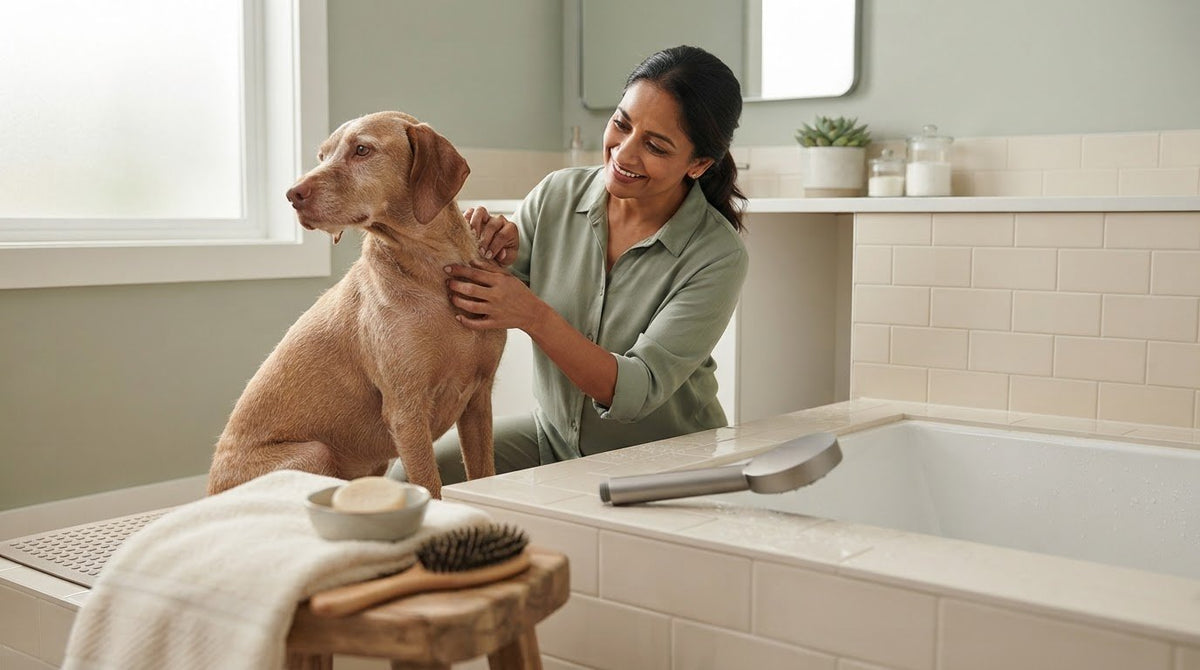
A calmer bath can make careful rinsing and drying easier. Before bringing your dog into the bathing area, place towels and grooming tools within reach. Use a nonslip surface, keep water away from the eyes, and work in manageable sections rather than rushing from head to tail. If your dog becomes tense, pause and let them settle before continuing. Short, steady steps help you notice redness or flakes while cleaning.
Stop using a product if irritation develops, and avoid scrubbing flaky skin harder. Persistent itching, licking, or chewing after a bath warrants veterinary evaluation, especially if you see sores or worsening redness. Bring your bath log and describe where symptoms appear, how soon they begin, and whether they ease before the next wash. Those details can help distinguish residue or grooming irritation from allergies, infection, or another skin concern.
4. Adjusting baths for lifestyle and activity
A dog’s weekly routine can affect how often a bath is useful. A mostly indoor companion who stays clean may need fewer full washes than a dog hiking muddy trails or swimming regularly. For most dogs, every four to six weeks is a reasonable starting point, but skin issues, coat type, and activity can shift that schedule. Track outdoor outings and bath dates to see whether washing matches actual dirt and odor, rather than the calendar alone.
Active dogs that spend time outdoors may need a bath every 2-3 weeks, while dogs that frequent dog parks may need one every 3-4 weeks. These are useful reference points, not reasons to wash automatically. After a short, dry walk, brushing or wiping away dirt may be enough. After a muddy trail, check the belly, legs, and paws first, then decide whether the whole coat needs washing.
Swimming calls for a different routine. Rinse a dog that swims frequently with clean water after every dip, especially after saltwater or lake visits, to remove residue from the coat. Dogs that swim regularly should receive a bath within 48-72 hours after swimming. For frequent swimmers, a full shampoo bath about once a month may be enough, with clean-water rinses between baths.
Coat and skin also shape the schedule. Short-haired dogs with healthy skin may need a bath only every one to three months, while wire- or rough-coated dogs typically need one every four to six weeks, depending on activity. Hairless breeds, such as Chinese Crested dogs, may need bathing weekly or fortnightly. If a dog has diagnosed skin issues, follow the veterinarian’s bathing plan instead of adjusting frequency based only on outdoor habits.
Try this simple check after each outing: brush away loose dirt, inspect the coat for mud or odor, and look at the skin for irritation. If only the paws are dirty, clean those areas instead of bathing the entire dog. If a dog rolls in something messy or develops a persistent odor, a full wash may make sense. Note how the skin and coat respond, then adjust the routine based on what you observe.
Seasonal changes can affect activity, too. A dog that swims often in summer may need more rinsing, while an indoor dog that stays clean through winter may not need a scheduled bath. In every season, consider coat condition alongside lifestyle. If more frequent washing is necessary, use a dog-formulated cleanser and rinse thoroughly, rather than relying on human shampoo or adding baths simply to keep the coat smelling fresh.
5. Bathing technique and shampoo residue
A careful rinse matters because leftover shampoo can irritate skin and trigger itching after a bath. Dog owners should check more than the visible topcoat. Thick fur can trap suds near the skin, especially under the collar, between the legs, beneath the tail, and around the chest. If a dog smells fresh but starts scratching soon after grooming, residue is one possible cause to consider.
Work in small sections instead of rushing water over the whole body. Part long or dense fur with your fingers so water reaches the skin, then rinse each area before moving on. Pay attention to places where the coat folds or overlaps, such as a Golden Retriever’s feathering or a Poodle’s curls. Continue rinsing until the water runs clear, then feel the coat for slippery or soapy patches.
Use a dog-formulated shampoo and follow its label directions. Human shampoo, including baby formulas, can disrupt a dog’s skin balance. Using more product than needed can also make rinsing harder, particularly in a thick double coat. For regular washing, choose a gentle dog shampoo for frequent use and follow its directions.
- Wet the coat fully. Use warm water and work from the neck toward the tail, opening dense fur with your fingers.
- Apply shampoo carefully. Start with a small amount and spread it through the coat, avoiding the eyes and inside the ears.
- Massage gently. Clean the belly, legs, and paws without scraping or scrubbing irritated skin.
- Rinse in sections. Lift thick fur and check the skin beneath it, including the armpits and chest.
- Check before drying. Feel near the skin for slick residue, then rinse again if any remains.
Drying is part of the routine, not an optional finishing touch. Towel-dry without rough rubbing, then check dense areas for dampness near the skin. A wet undercoat can stay damp after the surface feels dry, so part the fur in several places. Dry the coat fully to help limit conditions that encourage bacteria or yeast to grow.
Bath time can be easier with a nonslip mat, a calm pace, and towels ready before you turn on the water. If your dog resists, pause between steps rather than turning the rinse into a struggle. Persistent itching, redness, or sores after careful rinsing need veterinary attention. If your dog regularly smells unpleasant soon after bathing, note the timing and discuss the pattern with a veterinarian instead of adding more washes.
Essencera: Pure Wash
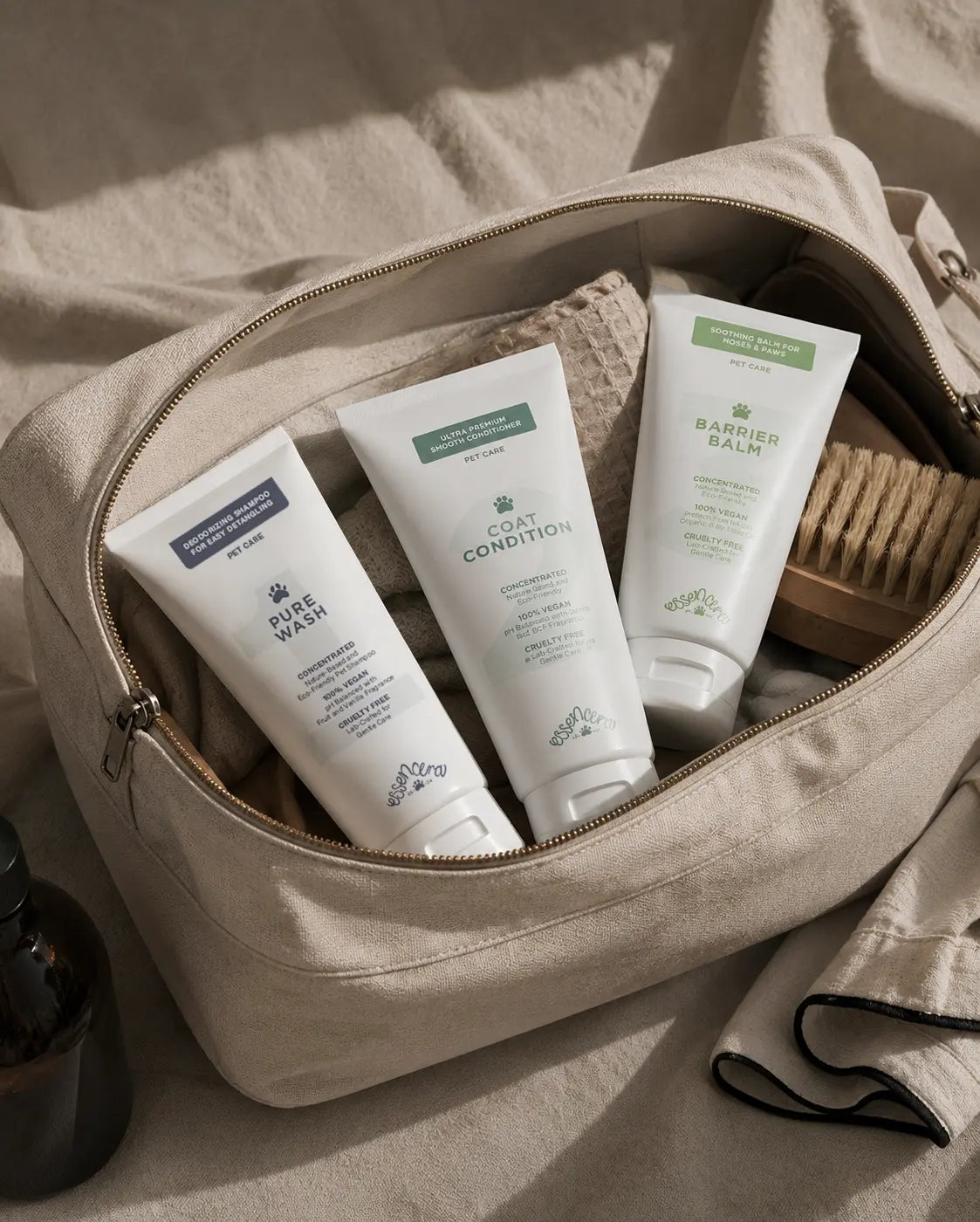
Pure Wash is a gentle, concentrated shampoo for dogs who need regular cleansing across coat types. Its coconut-derived surfactants cleanse, while hyaluronic acid and amino acids support hydration and coat care. A suitable shampoo can make routine bathing gentler, but it doesn’t mean every dog needs more frequent baths. Keep watching for dryness, flakes, or itching, and adjust the bathing schedule to your dog’s skin, coat, and lifestyle.
For a wash that fits a regular grooming routine, explore Pure Wash dog shampoo. Visit essencera.pet to learn more about it.
Build a routine that responds to your dog
Let your dog’s skin and coat guide your next grooming choice. Make a simple note after each bath, then change one part of the routine at a time. This makes it easier to notice which choices support a comfortable coat. Noticing signs I'm over-bathing my dog can be a useful prompt to pause, observe, and adjust rather than add another wash.
If a regular cleanse suits your dog, Pure Wash dog shampoo is a concentrated option for frequent use. For coat care after shampooing, Coat Condition helps with detangling during finishing, while Barrier Balm moisturizes rough paws and noses. Choose what fits your companion’s needs, and keep the routine gentle and considered.
Contact Essencera for help finding a thoughtful fit for your dog’s grooming routine. Small, attentive choices can make bath time feel more comfortable for you both.
Frequently Asked Questions
How Often Should You Bathe Your Dog?
For many healthy dogs, bathing every four to eight weeks is a practical starting point. Coat texture, skin condition, activity, and how quickly a dog gets dirty all affect the routine. A short-coated dog that mostly stays indoors may need fewer full baths than a long-coated dog that collects mud outdoors. Keep notes on bathing and coat changes, then adjust based on your dog’s needs.
How Many Times Should You Give A Dog A Bath?
There isn’t one annual bath count that suits every dog. Start with your dog’s coat, skin, and daily habits, then bathe when cleaning is needed rather than following a fixed tally. For example, a muddy walk may call for a wash, while loose dust can often be handled with brushing. If your dog has a diagnosed skin condition, follow the bathing schedule recommended for that condition.
How do I keep my dog smelling clean without giving them a bath?
Brush your dog regularly to remove loose dirt and spread natural oils through the coat. After a walk, wipe muddy paws and check the belly for debris instead of washing the whole dog. Wash blankets and bedding when they hold odor, and keep the sleeping area clean. If a strong smell returns soon after bathing or comes from a specific area, note it and seek veterinary advice.
How often should I wash my dog in the winter?
In winter, a bath about every eight weeks may suit a dog that stays clean, and you can skip a full wash if there’s no buildup. Wet-weather walks may leave mud on the legs or belly, so clean those areas instead of bathing the entire coat. Dry your dog fully after any bath, especially beneath thick fur, and note any skin changes during colder weather.
Is It Bad To Bath Your Dog Every Week?
Weekly baths aren’t a routine need for most dogs, but they can be part of a veterinarian-directed plan for some skin conditions. If your dog simply gets dusty, brushing or cleaning only the dirty area can reduce full washes. If frequent bathing is needed, choose a dog-formulated shampoo for regular use and follow its directions. A gentle formula doesn’t mean every dog needs weekly bathing.
The Danger of Over-Bathing: Can You Wash Your Dog Too Much?
Yes. Repeated bathing can strip natural oils and leave skin dry or irritated, especially when the cleanser is harsh or rinsing is incomplete. New flakes or scratching after wash day may be signs I'm over-bathing my dog. Check whether symptoms follow baths, and record the product and affected areas. That pattern can help guide a useful conversation about grooming or skin care.
What Happens If You Bath Too Much?
Too many baths can leave a dog’s skin dry, flaky, red, or itchy, while the coat may become dull or brittle. Persistent scratching can damage the skin and may be followed by a secondary infection. Watch for changes such as paw licking after each wash or fur that tangles more easily. Stop using a product that causes irritation, and arrange veterinary evaluation if symptoms persist or worsen.
What happens if I wash my dog too much?
Frequent washing can disrupt the skin’s protective oils, making discomfort more likely and leaving the coat less soft. Don’t respond to every odor with another bath. Check for dirt, damp fur, or a dirty bed, and clean the source when possible. If your dog still smells soon after bathing or continues scratching, licking, or chewing, arrange a veterinary evaluation rather than increasing wash frequency.