
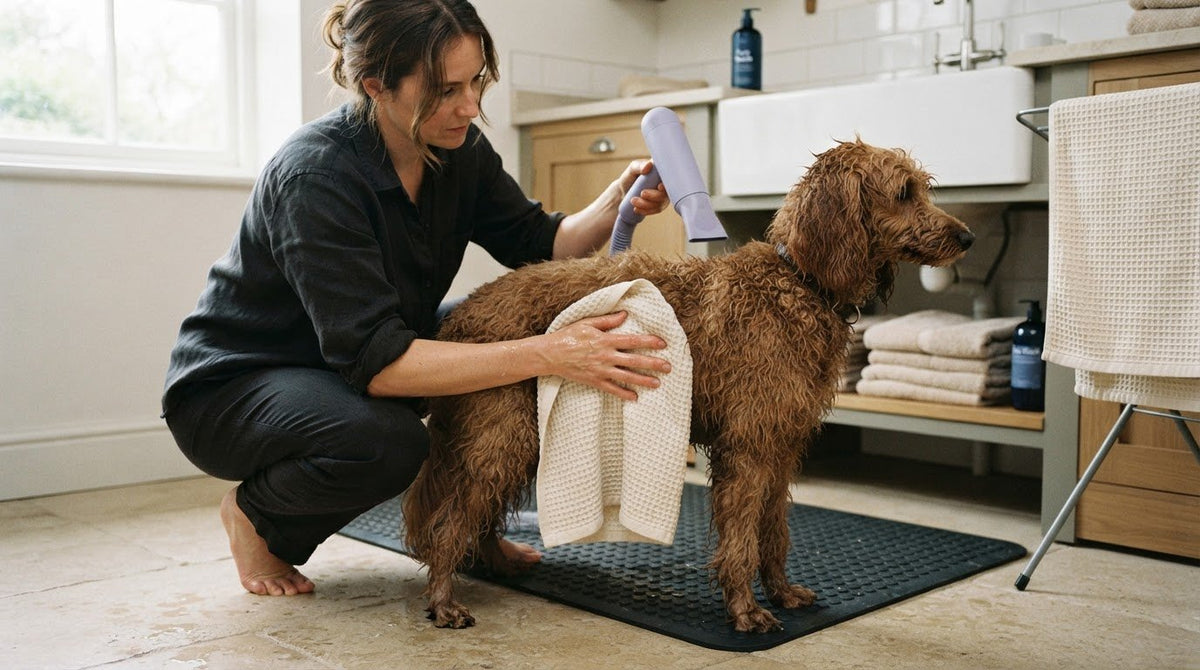
How to Dry a Dog After a Bath With Towels and a Dryer
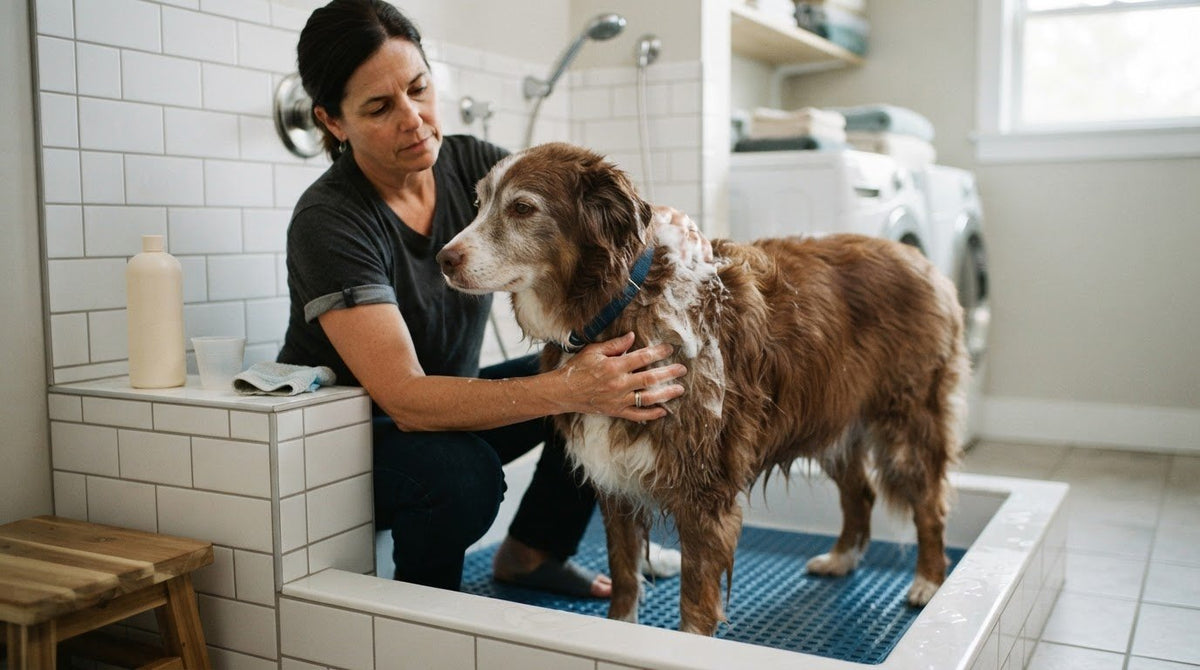
A clean coat is easier to dry than one holding dirt, dander, or excess oil. If you’re learning how to dry a dog after a bath, gently squeeze water from the coat and press it with a towel. Then use a dog dryer to move air through the fur, keeping it away from the face and ears.
It’s tempting to towel-dry your dog and let the coat air-dry, but long or thick coats can take longer and tangle as they dry. A careful routine removes more moisture while helping your dog stay calm and comfortable.
Learn how a dog dryer can help, how to keep airflow away from delicate areas, and how thorough washing and towel-drying support the process. The basics are simple: blot gently, use airflow rather than heat, and work through the coat patiently.
Key Takeaways
- Choose absorbent towels and gently press water from the coat to make the drying process more comfortable.
- A dog dryer can help with damp, long, or thick coats, but keep airflow away from the face and ears.
- Work from the head toward the paws, switching to a dry towel when the first one becomes soaked.
- A thorough rinse and patient, section-by-section drying can help the coat dry more efficiently.
1. Why Use a Dog Blow Dryer?
A dog dryer can move moisture from beneath a dense coat where a towel may not reach easily. Long hair left to air-dry can tangle or mat, and a damp dog may roll on floors or furniture and pick up dirt after a bath. Drying thoroughly also helps your dog stay warm and reduces lingering wetness on the body and between the paw pads.
Choose absorbent towels that are easy to handle when wet. Microfiber towels are lightweight and absorb more water than an average bath towel, making them a practical option for drying a coat. Have towels within reach before bathing so you can start removing moisture as soon as rinsing is finished. Towel-dry first to take up excess water, leaving less for the dryer to move.
A dog-specific dryer is designed for a dog’s skin and coat. A human hair dryer is a different tool, so choose equipment intended for dogs and follow its instructions. Airflow carries water away from the fur, and controlled movement helps keep the experience comfortable for your pet.
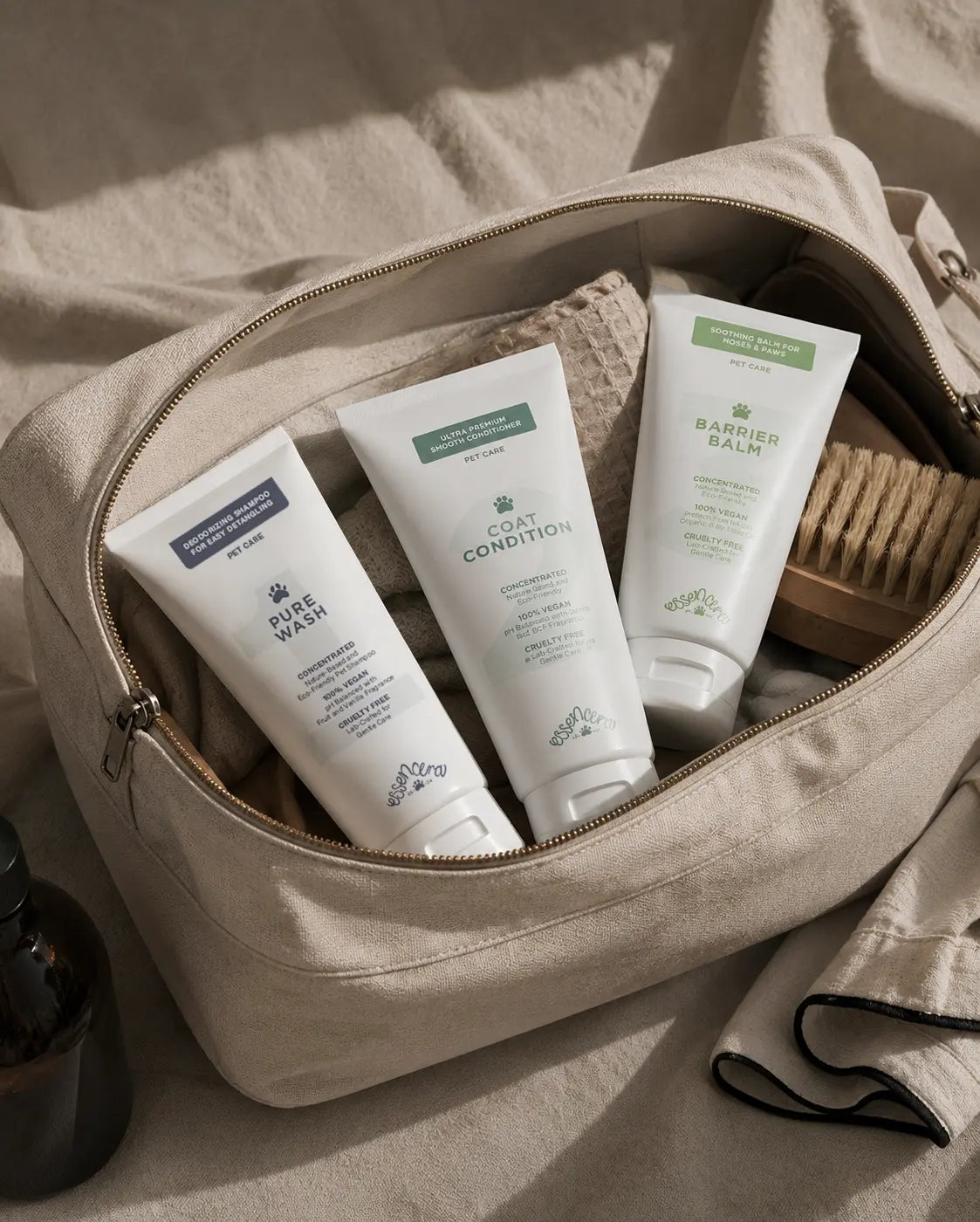
Washing the coat thoroughly also supports more efficient drying. Dirt, dander, and excess oil left in the fur can slow the process, so rinse until the water runs clear. Choose a cleanser for your dog’s coat, such as Pure Wash shampoo. Coat Condition can make brushing easier during drying and finishing. Apply it after shampooing, then rinse thoroughly before using towels and a dog dryer to finish the coat.
2. Keeping dryer air away from the face and ears
Point the nozzle away from your dog’s face, ears, and genitals. Direct airflow toward the shoulder or side instead, keeping it moving across the coat. These areas are delicate, so use a towel rather than dryer air on them.
Gently blot the outer ear and visible folds with a soft, clean towel. Don’t push fabric or cotton swabs into the ear canal, or point the dryer nozzle into it. Drying only the visible area removes surface moisture without directing air into the ear. Check both ears before finishing, especially if they’re folded or covered by long hair.
Help your dog get used to the sound before bath day. With the dryer off, let them inspect it at their own pace. Then switch it on across the room, pointing the airflow toward the floor. Gradually move closer, starting at the shoulder. Keep sessions brief and pause if your dog backs away, trembles, or tries to leave.
A towel or absorbent cover on a hard table can soften the sound of a dryer hose tapping the surface. Keep your dog on a secure, nonslip spot with room to shift position. Don’t use a crate dryer if your dog becomes distressed when confined. Good ventilation can also help reduce damp air in the drying area.
Use airflow rather than hot air, and keep the nozzle moving so one patch of skin isn’t exposed continuously. Watch your dog’s body language throughout. If the noise or pressure makes them uncomfortable, turn the dryer off and finish with gentle towel blotting. A calm pace and careful direction keep airflow away from the face and ears while the rest of the coat dries.
3. Towel-drying technique
For a thick or double coat, work in small sections so water doesn’t stay trapped beneath the top layer. First, squeeze excess water from the coat by hand. Then press a towel against the fur in the direction it grows. Work from the shoulders along the back, then dry the sides, belly, legs, and paws. This steady sequence makes it easier to spot areas that are still wet.
Keep a dry towel nearby and replace the first one when it becomes very wet. A large dog may need two or three towels to absorb water before you finish with the dryer. You can briefly wrap your dog in a towel to soak up more moisture. Avoid vigorous rubbing, especially on long hair, which can tangle. Press and lift the towel instead.
When the coat is about halfway dry, pause to brush through a section. This separates the hairs and helps reveal dampness near the skin. With a dense coat, gently part the fur and check the roots rather than judging by the surface. Resume drying in manageable sections, brushing only where the coat moves comfortably.
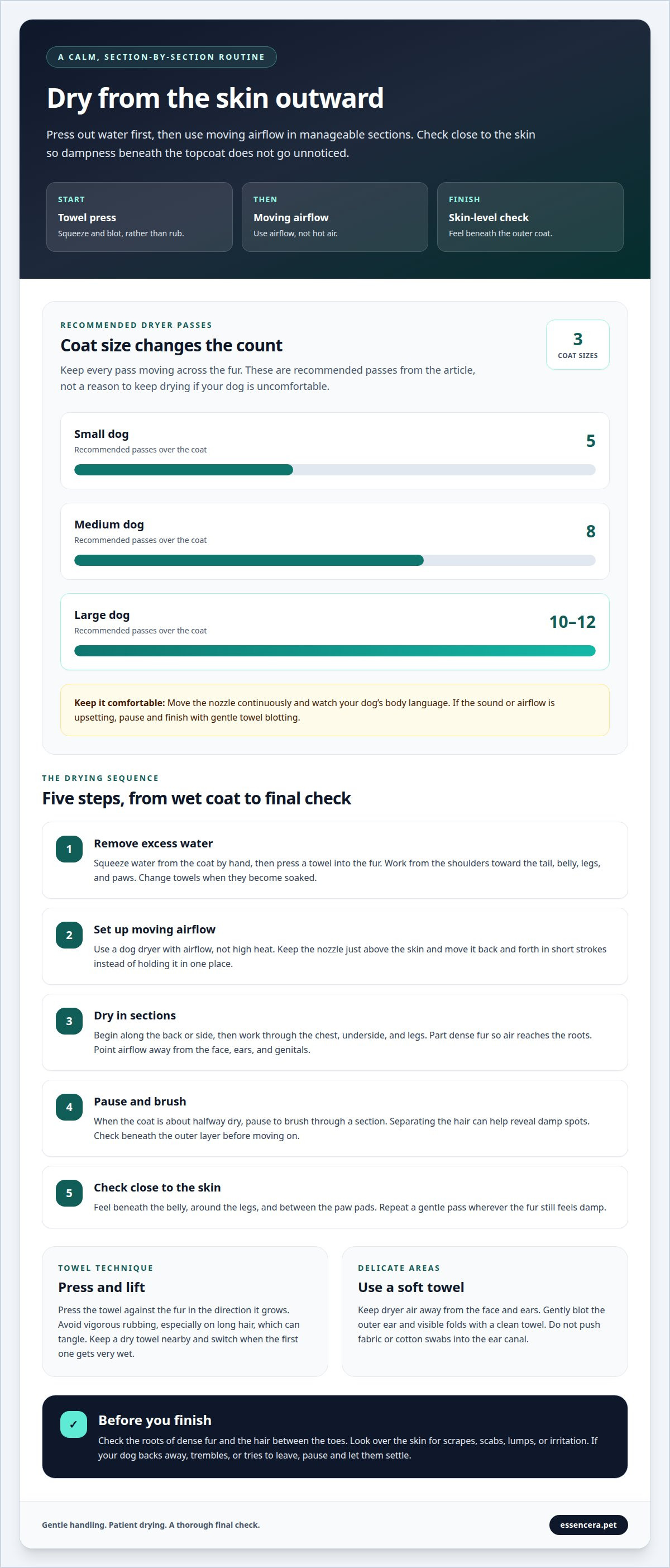
Recommended dryer passes vary by dog size: go over a small dog’s coat five times, a medium dog’s eight times, and a large dog’s ten to 12 times. Keep each pass moving across the fur. A dry towel held behind the area being dried can catch moisture and reduce drips. Check finished areas again, since water may move from nearby wet fur onto them.
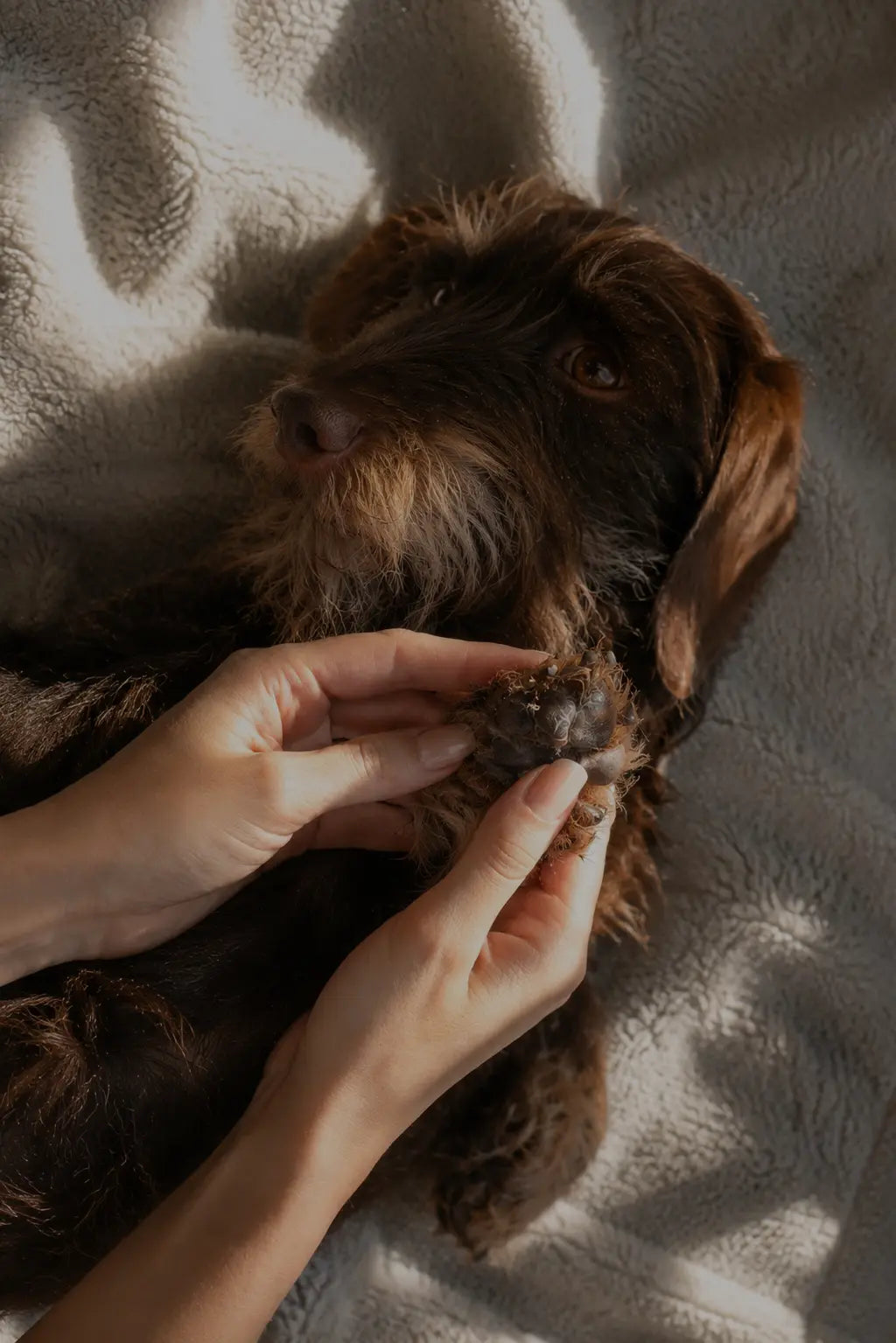
As you dry, look over the skin for scrapes, scabs, lumps, or irritation. Pay particular attention to dense areas and the hair between the toes. If brushing causes discomfort, pause and return to that section gently. Finish by feeling close to the skin across the coat so hidden dampness doesn’t go unnoticed.
4. What are the steps to dry a dog after a bath?
A steady routine dries the coat from the skin outward, helping prevent damp patches beneath the topcoat. Work in a warm, well-ventilated space and keep your dog on a secure, nonslip surface. If the room feels humid, ventilation or a dehumidifier can help moisture leave the area. To learn how to dry a dog after a bath, keep each step calm and consistent.
- Remove excess water. Squeeze water from the coat by hand, then press a towel into the fur. Start at the shoulders and work toward the tail, belly, legs, and paws. Change towels when they become soaked.
- Set up the dryer. Use a dog dryer with airflow, not high heat, to move water from the coat. Keep the nozzle just above the skin and move it back and forth in short strokes. Avoid holding airflow on one spot.
- Dry in sections. Begin along the back or side, then work through the chest, underside, and legs. Part dense fur so air reaches the roots. Keep the nozzle pointed away from the face, ears, and genitals.
- Pause and brush. When the coat is about halfway dry, stop briefly and brush through it. This separates the hair and helps reveal damp sections. Resume drying, checking beneath the outer layer as you move to another area.
- Check the finish. Feel the coat close to the skin, including beneath the belly, around the legs, and between the paw pads. Repeat a gentle drying pass wherever the fur still feels damp.
If your dog is unsettled by the dryer, pause and let them settle before continuing. Don’t confine a worried dog with a running crate dryer. A drying spray can help water sheet off hair when used with airflow, but careful, section-by-section drying remains the core routine. When learning how to dry a dog after a bath, let your dog’s comfort set the pace.
Essencera
Essencera supports a gentle grooming routine with coat care products that fit naturally after a bath. If brushing during drying feels difficult, Coat Condition helps smooth the coat and make brushing easier during blow-drying. It’s an anti-tangle conditioner for long, short, and double coats, but it won’t remove severe mats.
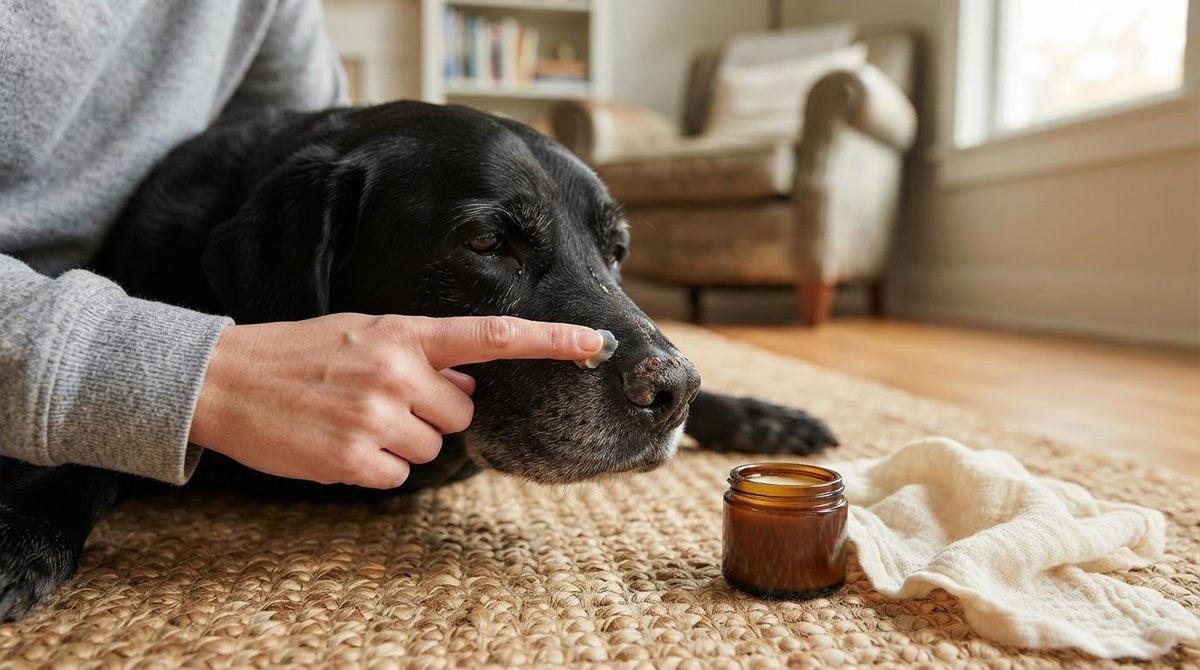
For dry or rough paws and noses after grooming, Essencera’s Barrier Balm helps hydrate these areas. The Gentle Sensitive Pup Bundle combines CalmWash, Coat Condition, and Barrier Balm in a simple routine for puppies and dogs with sensitive coats.
Explore Essencera’s dog grooming products to find coat care that suits your routine.
Make the next bath feel easier
Let your dog’s comfort guide the routine. A dog who stays relaxed with a towel may need only a little dryer time, while a dense coat may need patient, section-by-section care. Notice what helps your companion settle and repeat those familiar steps next time. Learning how to dry a dog after a bath is less about rushing and more about building a gentle routine together.
Essencera’s grooming care can complement that routine: Pure Wash shampoo for cleansing, Coat Condition to support easier brushing, and Barrier Balm to hydrate rough paws or noses.
If you’d like help choosing care for your dog’s bath routine, contact Essencera for help. A calm, caring finish can make bath day a little kinder for both of you.
Frequently Asked Questions
Why Use a Dog Blow Dryer?
A dog dryer moves moisture from deep in the coat that towels may leave behind, especially on long-haired or thick-coated dogs. A drier coat is less likely to tangle as it dries, and your dog is less likely to track water onto furniture. Use a dog-specific dryer and adapt the routine to your dog’s coat and comfort.
How do you towel-dry a dog effectively?
Start by gently squeezing water from the coat by hand. Press a towel against the fur instead of rubbing back and forth, which can tangle longer hair. For a large dog, have two or three towels ready. Replace a soaked towel with a dry one, and pay extra attention to damp spots before using the dryer.
How to use a hair dryer or dog dryer safely on a dog?
Choose a dog dryer and use airflow without hot air. Hold the nozzle just above the coat, keep it moving in short strokes, and avoid the face, ears, and genitals. Introduce the sound gradually, starting farther away. If your dog becomes distressed, pause and let them settle before deciding whether to continue.
What dryer temperature and distance are safe for dogs?
Avoid hot air, which can burn a dog’s skin. Hold the nozzle just above the coat and move it back and forth instead of directing airflow at one spot. Watch your dog’s reaction and check the skin as you work. Airflow helps move water from the fur without overheating one area.
How do you dry a dog that is afraid of the dryer?
Let your dog investigate the switched-off dryer first. Turn it on at a distance, then gradually bring the airflow closer while directing it away from the head. Pair a brief exposure with a treat or calm praise, and stop if your dog tries to escape or shows distress. Keep towel-drying as an option while building comfort gradually.
How do you dry a dog with long or curly hair without tangles?
Press water out with a towel, then dry small sections of the coat instead of blowing across the whole body at once. Pause partway through to brush gently, then continue drying while checking near the skin. Coat Condition is a rinse-off conditioner that can help with coat care, but it won’t loosen severe mats.