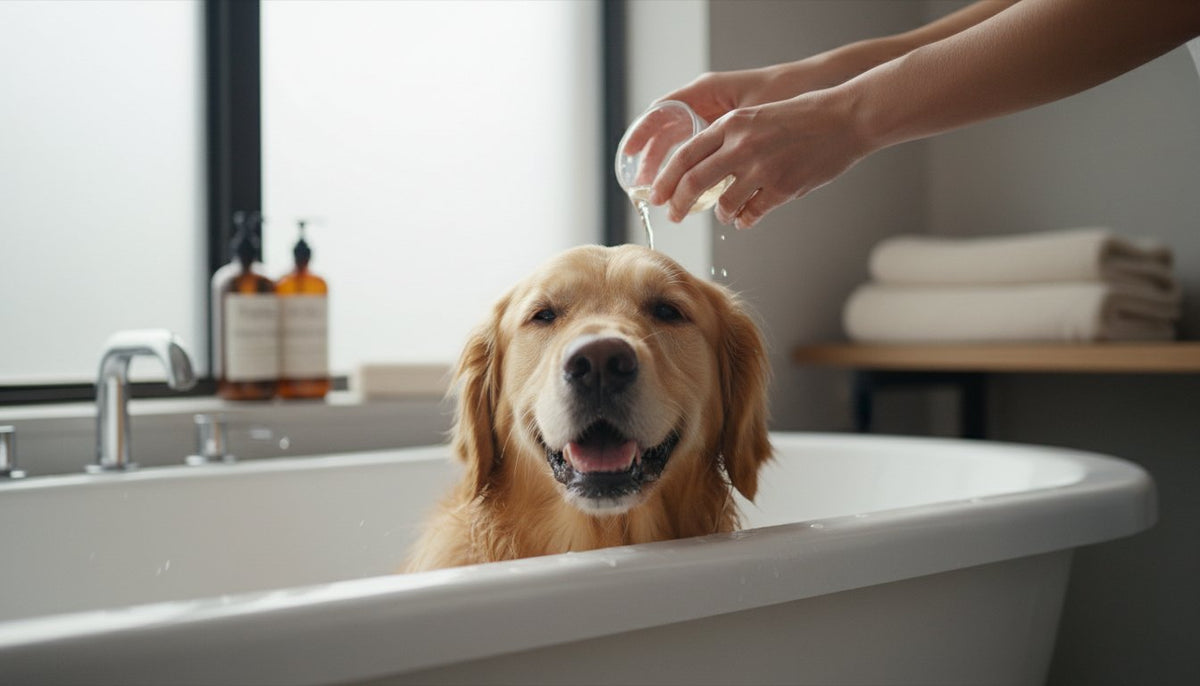
How to Get My Dog to Love Baths: A Gentle Guide to Stress-Free Grooming
What if the bathtub wasn't a place of battle but a sanctuary of connection? You've likely felt the guilt of watching your companion struggle against the water, leaving you both exhausted and frustrated. If you are wondering how to get my dog to love baths, you're not alone. As the pet grooming market grows to a projected $19.5 billion in 2026, more owners are seeking ways to prioritize their pet's emotional well-being alongside hygiene. You want a clean pet, but you want their trust even more.
We promise to help you transform this stressful chore into a nurturing ritual of love through our gentle, step-by-step desensitization guide. By shifting toward wellness grooming, you can address the sensory triggers that cause anxiety. This article explores how to use science-backed, plant-based care like Calm Wash for sensitive skin to create a soothing experience. We will show you how to build a stronger bond through gentle care, ensuring every bath leaves your pet feeling safe, refreshed, and deeply valued.
Key Takeaways
- Identify sensory triggers like loud echoes and slippery surfaces to create a physically secure environment for your dog.
- Follow a five step desensitization guide on how to get my dog to love baths through bathroom exploration and rewarding tub time.
- Choose premium, plant-based products like Calm Wash to replace harsh sulfates with gentle, coconut-derived surfactants.
- Learn why cosmetic-grade ingredients and concentrated formulas ensure grooming feels like care rather than a stressful chore.
- Establish calming post-bath rituals to manage high energy and ensure thorough drying to maintain healthy skin.
Understanding Why Dogs Fear Bath Time
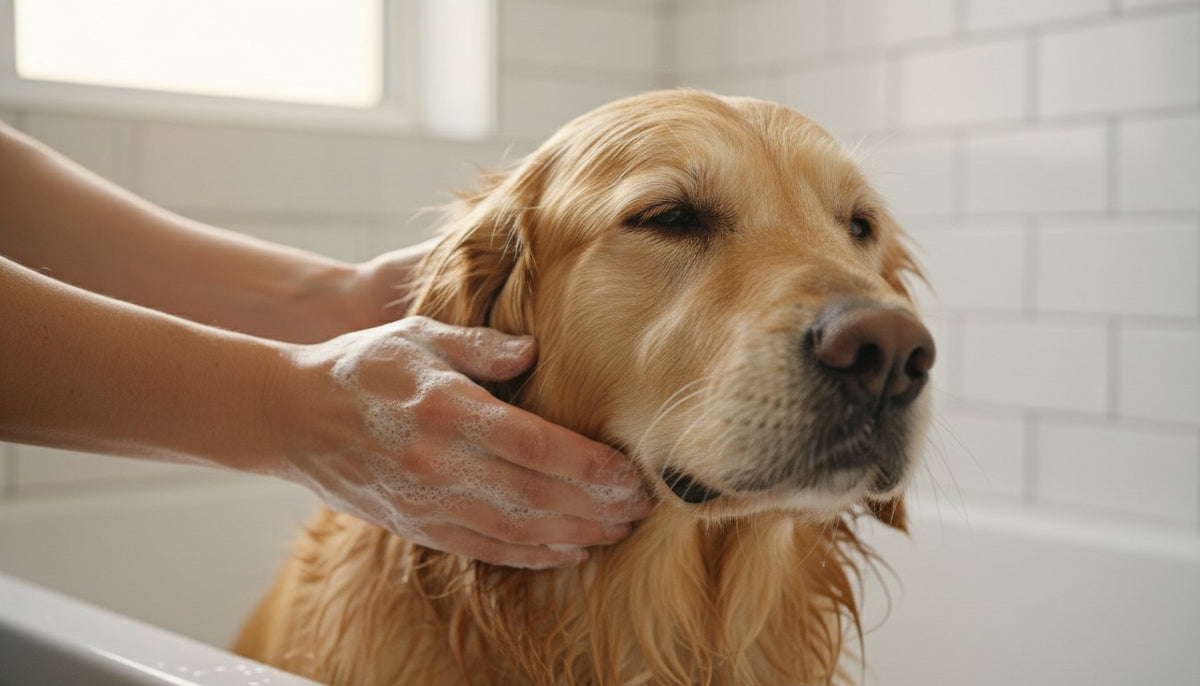
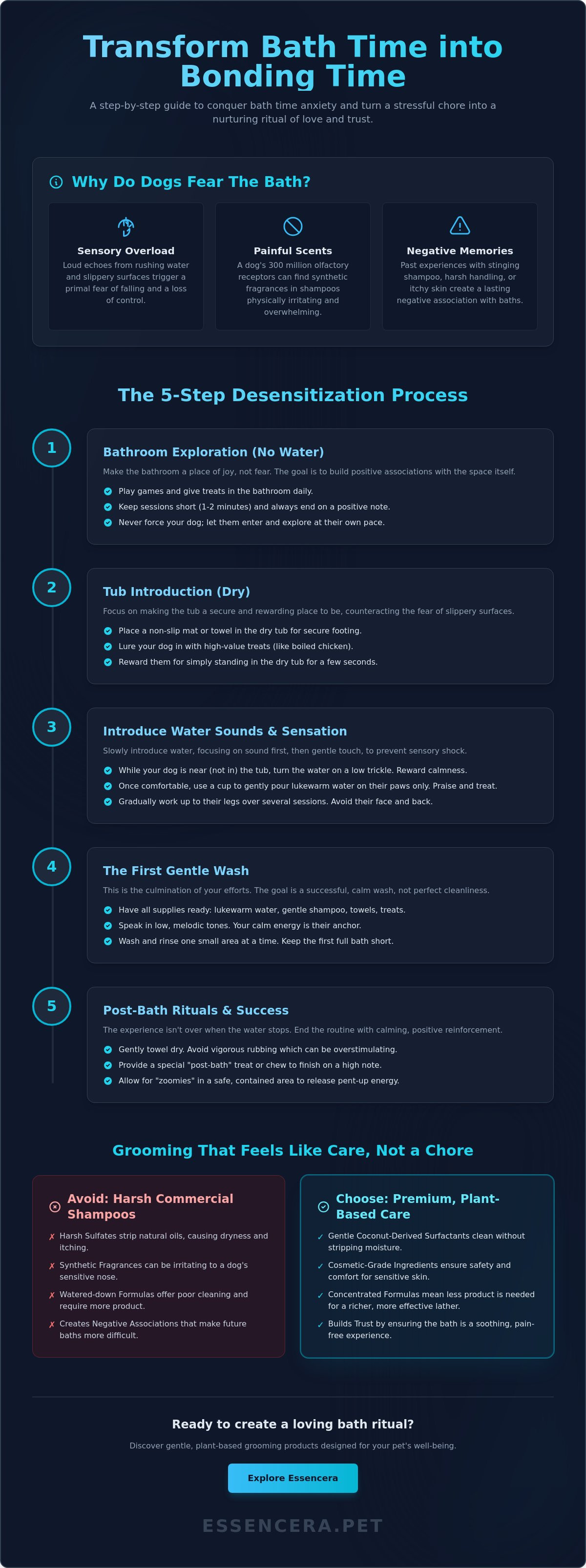
For many companions, the bathroom is a place of sensory overload rather than a spa. When we consider how to get my dog to love baths, we must first look at the world through their eyes and paws. Most dogs feel a profound loss of control when placed in a tub. They are instinctually cautious about heights and confined spaces, and being restrained in a wet environment can trigger a fight or flight response. If you approach the situation with stress or a desire to just get it over with, your pet picks up on that energy immediately. At Essencera, we believe in reframing this routine to make grooming feel like care, not a chore. It starts with your own calm mindset, which acts as an emotional anchor for your dog during the process.
Common Sensory Triggers in the Bathroom
The acoustics of a standard bathroom can be overwhelming. Rushing water hitting a porcelain tub creates high-frequency echoes that are jarring to canine ears, which are significantly more sensitive than human hearing. Beyond the sound, slippery surfaces are a major source of anxiety. Without a non-slip mat, your dog feels like they are on ice, triggering a primal fear of falling and injury. Finally, we must consider their nose. While we might enjoy a heavy floral scent, a dog's olfactory system contains up to 300 million receptors. Synthetic fragrances found in many commercial products can be physically painful for them to inhale, making the bathroom feel like a cloud of chemical irritation.
The Role of Skin Comfort in Trust
Trust is built on physical comfort. If a previous bath resulted in stinging eyes or itchy, dry skin, your dog will naturally resist the next one. Many standard shampoos use harsh sulfates to create bubbles, but these chemicals strip away the natural oils that protect a dog's coat. This is where dog grooming becomes a science of kindness. By choosing products made with gentle, coconut-derived surfactants, you ensure the skin's pH remains balanced and healthy. Using a specialized formula like Calm Wash is particularly important for puppies, seniors, or dogs with sensitive skin. These professional-grade, plant-based luxury ingredients prevent the irritation that leads to negative associations. For more details on choosing the right formula, explore our Natural Dog Shampoo: A Gentle Guide. When your pet realizes that the water doesn't hurt and the soap doesn't sting, they begin to view the process as a soothing ritual of love rather than a scary event.
Creating a Soothing Environment for Grooming
The foundation of any peaceful grooming session is the space where it happens. If you're learning how to get my dog to love baths, you must recognize that physical safety leads to emotional security. A slippery tub surface is often the biggest hurdle for a nervous pet. Placing a non-slip rubber mat or even a thick towel at the bottom of the tub gives your dog the traction they need to feel stable. Without this, their focus remains on the fear of falling rather than the soothing touch of your hands. When a dog feels their paws are secure, their heart rate naturally begins to settle.
Temperature is equally critical to their comfort. Canine skin is significantly thinner than human skin, making it more susceptible to thermal discomfort. Water should be lukewarm, never hot. Before bringing your dog into the room, have all your supplies within arm's reach. Leaving a wet, anxious dog alone in a tub while you hunt for a towel can shatter the trust you've worked to build. We advocate for a "Less water, More care" philosophy. This means avoiding high-pressure sprayers that cause splashing and loud noises. Instead, use a gentle cup or a low-flow hose to keep the experience quiet and controlled.
The Bath Time Toolkit
Preparation turns a chaotic chore into a mindful ritual. Start by using a soft brush to remove loose fur and minor tangles before the water even starts. This prevents the coat from matting further when wet. For the wash itself, prepare your concentrated paste in a small bowl. Unlike standard watered-down shampoos, Essencera’s formulas are rich and potent, allowing for precise, localized application. Keep high-value treats, like bits of boiled chicken, nearby. These should be reserved exclusively for the tub to create a strong positive association. For more expert advice on setup, the ASPCA offers excellent Dog Grooming Tips that align with this gentle approach.
Setting the Emotional Tone
Your voice is your most powerful tool during this process. Speak in low, melodic tones to reassure your pet that they are safe. The scents you introduce also play a role in the emotional atmosphere. Using a formula like Calm Wash provides more than just a clean coat. Its gentle, plant-based profile is designed to soothe the senses without the overwhelming irritation of synthetic perfumes. Ensure the bathroom remains a quiet zone by closing the door to block out household noise. If your pet has particularly sensitive skin or is easily overwhelmed, starting with our soothing sensitive skin wash can make a world of difference in their comfort level.
The 5 Step Desensitization Process
Patience is the bridge between a fearful companion and a happy tail. Learning how to get my dog to love baths is not about a single afternoon of scrubbing; it is about a series of small, successful wins that build a foundation of trust. By breaking the experience into manageable phases, you prevent the sensory overload that often leads to anxiety. This method ensures that your dog never feels trapped or overwhelmed, turning a potential struggle into a predictable, gentle routine that they can actually enjoy.
- Step 1: Bathroom Exploration. Allow your dog to enter the bathroom while the room is dry and the water is off. Let them sniff the tub and the floor at their own pace. Reward their curiosity with affection and a small treat to create a positive first association with the space.
- Step 2: Tub Time without Water. Place your dog in the tub, or encourage them to hop in, while it is completely dry. Spend a few minutes playing or offering high-value rewards. This teaches them that being in the tub doesn't always lead to being wet or scrubbed.
- Step 3: The Sound of Water. While your dog is in the bathroom but safely outside the tub, turn the faucet on to a low, gentle stream. This introduces the sound of rushing water without the physical sensation, allowing their sensitive ears to adjust without fear.
- Step 4: The 'Wet Paws' Phase. Fill the tub with just an inch of lukewarm water. Place your dog in the shallow pool so they can get used to the temperature and texture on their paws. Keep this session very short and reward them immediately for their bravery.
- Step 5: The Full Gentle Wash. Once your dog is comfortable with wet paws, you can begin a full wash. Use a cup to gently pour water over their back, avoiding the face and ears, and incorporate a soothing product like Calm Wash for a stress-free clean.
Mastering the Slow Introduction
Success depends on your ability to read your dog's body language. You must identify their threshold, which is the exact moment they transition from "alert but okay" to "stressed and fearful." If your dog begins to pant heavily, shows the whites of their eyes, or freezes, you've pushed too far. Never force a dog into the tub, as this can set your progress back by months. Remember that five minutes of calm success is far more valuable than twenty minutes of forced stress. If they aren't ready for the sound of water, stay at the dry tub phase until they are truly relaxed.
The Power of Positive Reinforcement
Timing is everything when rewarding your dog. Give treats exactly when they show calm behavior, such as a relaxed posture or a soft gaze. This "Gentle Start" approach is vital for puppies or rescues who may have had negative experiences in the past. For young companions, choosing the right support is essential to their long-term development. You can find more tailored advice in The Ultimate Guide to Choosing the Best Puppy Shampoo. By pairing these gentle steps with high-quality, plant-based care, you ensure that grooming becomes a meaningful act of love that strengthens your bond every time you use how to get my dog to love baths techniques.
Choosing Products That Feel Like Care
If you want to know how to get my dog to love baths, you must look closely at the ingredients in your grooming kit. Physical discomfort is a primary reason dogs develop a fear of the tub. Many standard pet shampoos use harsh sulfates as cleaning agents, which can sting the eyes and strip the skin of essential oils. At Essencera, we believe that "pet-safe" isn't a high enough bar. We use cosmetic-grade, plant-based luxury ingredients formulated to high European standards in Greece. By choosing products that feel good on the skin, you remove the physical pain often associated with grooming, turning a stressful event into a soothing ritual of love.
The science of a gentle clean lies in the surfactants. These are the molecules that lift away dirt. While many brands use cheap sulfates, we opt for gentle coconut-derived surfactants. These clean effectively without causing the irritation that leads to scratching after a bath. To further support the skin barrier, our formulas include hyaluronic acid for deep hydration and amino acids for coat repair. This isn't just about vanity; it's about skin health. A hydrated coat is less prone to breakage and irritation. Our unique concentrated paste formula also offers better value than watered-down competitors. It stays exactly where you apply it, reducing the "runny" mess that can get into a dog's sensitive ears or eyes.
Matching the Formula to the Dog
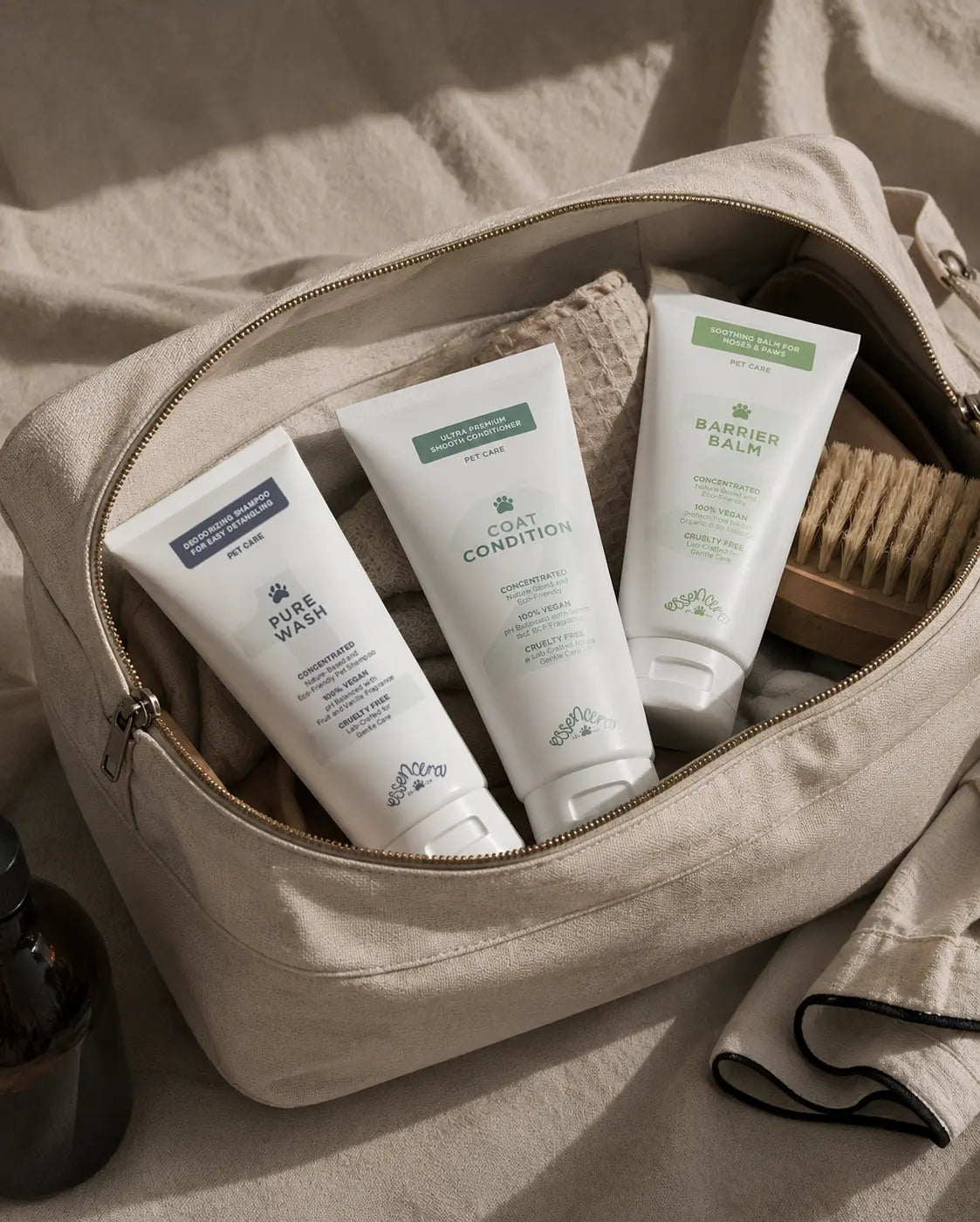
Every companion has unique needs, and using the right tool for the job builds trust. For dogs who love to roll in the mud or have developed a strong odor, Pure Wash provides a deep, refreshing clean without the use of artificial dyes or synthetic fragrances. If you are caring for puppies, seniors, or those with known allergies, Calm Wash is the ideal choice for its ultra-gentle profile. During the warmer months, Shield Wash offers a natural deterrent against pests. However, it's vital to remember that Shield Wash contains essential oils that are safe for dogs but must never be used on cats.
Conditioning as a Protective Step
The grooming process isn't complete until the skin's moisture is sealed back in. Using Coat Condition after washing is the final step in nurturing your pet's skin. We want to be transparent and honest about what our products can do. While this conditioner significantly aids in brush-outs by smoothing the hair shaft, it isn't a magic detangler for severe, painful mats. Those require professional attention to ensure the dog's comfort. However, regular use of a high-quality conditioner keeps the coat elastic and healthy, meaning it stays cleaner for longer between bath sessions. For the ultimate grooming experience, shop our plant-based luxury collection to provide the care your pet deserves.
Post-Bath Rituals and Long-Term Success
The moment the towel comes off, many dogs experience a sudden burst of energy known as the "after-bath zoomies." This is a natural release of pent-up tension and a celebration of being dry again. To handle this safely, ensure your pet has a clear, carpeted area to run without slipping on hard floors. If you're still working on how to get my dog to love baths, this final stage of play is a great way to end on a high note. However, before you let them loose, you must ensure they are thoroughly dry. Moisture trapped near the skin can lead to hotspots, which are painful bacterial infections. Use a soft, absorbent towel to blot the coat rather than rubbing it vigorously, as rubbing can cause tangles and skin irritation.
Consistency is the secret to long-term success. By setting a predictable schedule, you remove the element of surprise that often triggers anxiety. Dogs account for approximately 58.4% of the global pet grooming market, which is projected to reach $19.5 billion in 2026. This growth reflects a shift toward "wellness grooming," where owners prioritize the emotional health of their pets. Establishing a routine every four to six weeks helps your companion understand the rhythm of the process, from the first splash of water to the final reward.
The Final Soothing Touch
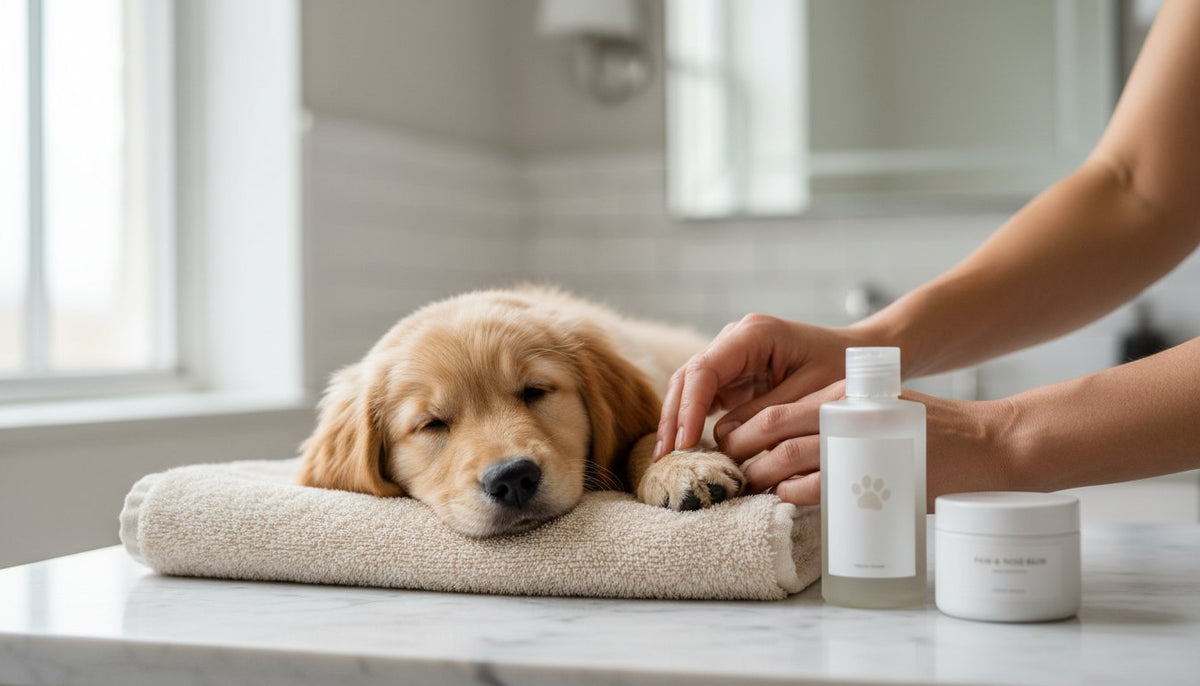
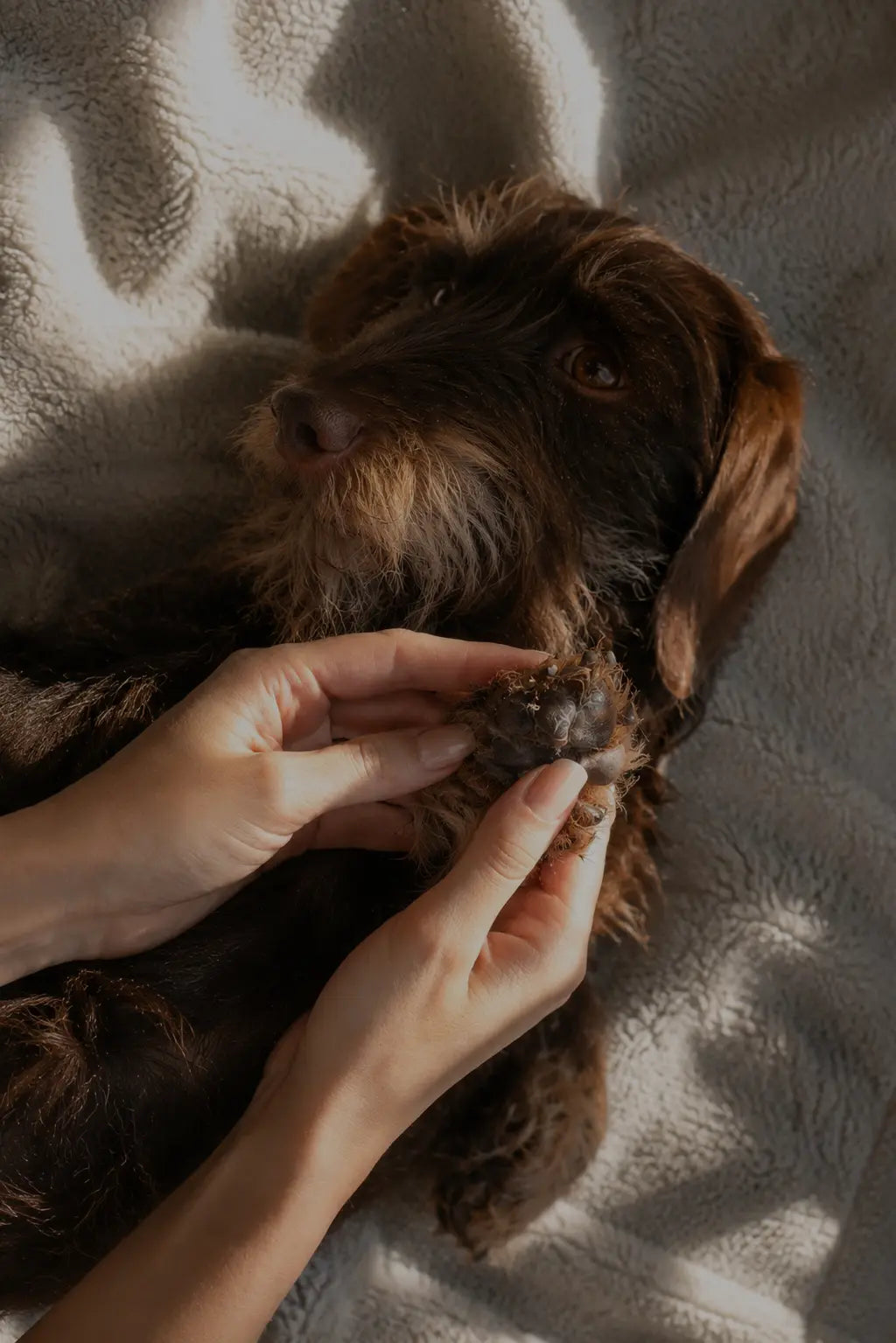
Once the coat is damp-dry, take a moment for a final health check. Gently wipe away any stray suds or water from the ears and eyes with a clean, soft cloth. This is the perfect time to apply Barrier Balm to their nose and paw pads. Our plant-based balm acts as a protective shield against environmental irritants and helps recover moisture lost during the wash. A light massage with the balm is a wonderful way to transition your pet back into a state of calm. Follow this with a "jackpot" reward, which is a special treat they only get after a successful grooming session. This creates a powerful positive incentive for future cooperation.
Consistency and Patience
Building a nurturing ritual takes time and empathy. Don't be discouraged if one session is more difficult than the last. One bad experience doesn't mean you have to start the entire desensitization process over; it just means you should move a bit slower during the next session. Keep these moments as a one-on-one bonding experience, free from the distractions of a busy household. When you treat grooming as an act of love rather than a chore, you build a foundation of trust. Understanding how to get my dog to love baths is ultimately about listening to your pet's needs and providing the gentle, high-quality care they deserve.
Embrace a New Chapter of Gentle Care
The secret to a happy tail in the tub lies in the small, consistent steps of care you take today. By addressing sensory triggers and using positive reinforcement, you replace fear with a predictable routine. Choosing high-quality, plant-based luxury ensures that every wash repairs and hydrates rather than irritates. Our concentrated paste formula offers exceptional value; just one jar provides the same number of washes as three bottles of standard liquid shampoo.
Learning how to get my dog to love baths is a commitment to their long-term well-being. With our dermatologist inspired formulas made in Greece, you can trust that your companion is receiving the highest level of European care. Every session is an opportunity to strengthen your bond and make grooming feel like care, not a chore. You have the knowledge and the heart to transform this experience for your pet.
Discover the Gentle Start Bundle for your pet's first stress-free bath
Your journey toward a calmer, cleaner, and happier companion starts with a single gentle touch. Trust the process, stay patient, and enjoy the beautiful bond you're building together.
Frequently Asked Questions
How often should I bathe a dog that is afraid of water?
Bathe your dog every 4 to 6 weeks to maintain a healthy coat without causing unnecessary stress. This frequency prevents the buildup of environmental allergens while giving your pet enough time to decompress between sessions. If your dog is highly anxious, focus on spot cleaning with a damp cloth between full washes. Using a soothing formula like Calm Wash ensures that the skin remains hydrated and comfortable during these occasional sessions.
Can I use human shampoo on my dog if I'm out of pet shampoo?
You should avoid using human shampoo on your companion because it can disrupt their delicate skin chemistry. A dog's skin pH ranges from 6.2 to 7.5, which is much more alkaline than human skin at 5.5. Human products are too acidic and will strip the protective acid mantle, leading to dryness and irritation. Instead, choose a pH balanced, plant-based option like Pure Wash to maintain their natural skin barrier.
What should I do if my dog starts shaking or growling during a bath?
Stop the session immediately if your dog begins to growl or shake. These are clear physiological indicators that your pet has moved past their threshold of comfort and feels threatened. Forcing the process will only reinforce their fear and damage your bond. Take a step back and return to a dry tub exploration phase for the next few days. This patient approach is the most effective way for how to get my dog to love baths over time.
Is it better to use a bathtub or a walk-in shower for a fearful dog?
A walk-in shower is typically the better choice for a fearful dog because it feels less restrictive. It eliminates the need for lifting your pet over a high tub wall, which can be a significant trigger for anxiety in many breeds. The open space of a shower allows the dog to maintain a greater sense of control. Always ensure you have a non-slip mat in place to provide the physical security they need to stay calm.
Why does my dog get the 'zoomies' immediately after a bath?
The "zoomies" are a physical release of pent-up adrenaline and tension following a stressful or stimulating event. After the restraint and sensory input of a bath, your dog needs to discharge that energy through movement. It's also a way for them to dry off and return their scent to normal by rubbing against familiar surfaces. Provide a safe, carpeted area where they can run freely without the risk of slipping on wet tile or hardwood.
How can I keep water out of my dog's ears during the wash?
Use a damp washcloth to clean the head and face instead of pouring water directly over your dog's ears. This prevents water from entering the ear canal, which can lead to painful bacterial or yeast infections. You can also place large cotton balls gently in the outer ears as a physical barrier. After the wash, applying a small amount of Barrier Balm to the outer ear leather can help soothe any minor irritation from the drying process.
Will professional grooming help my dog get over their fear of baths?
Professional grooming may not help a fearful dog because the loud noises and unfamiliar smells of a commercial salon can increase their anxiety. While some groomers specialize in gentle techniques, the most sustainable progress often happens in the comfort of your own home. By controlling the environment and using a slow desensitization guide, you can teach your pet that grooming is a safe ritual. This personal touch is the core of how to get my dog to love baths successfully.
Are there specific scents that help calm a dog during grooming?
Natural, plant-based scents like lavender and chamomile have a documented calming effect on the canine nervous system. Avoid products with synthetic fragrances and artificial dyes, as these are often too intense for a dog's sensitive olfactory receptors. Our Calm Wash is specifically designed with a gentle, soothing profile. These natural scents work alongside our concentrated formula to create a peaceful atmosphere that makes the entire experience feel like care, not a chore.