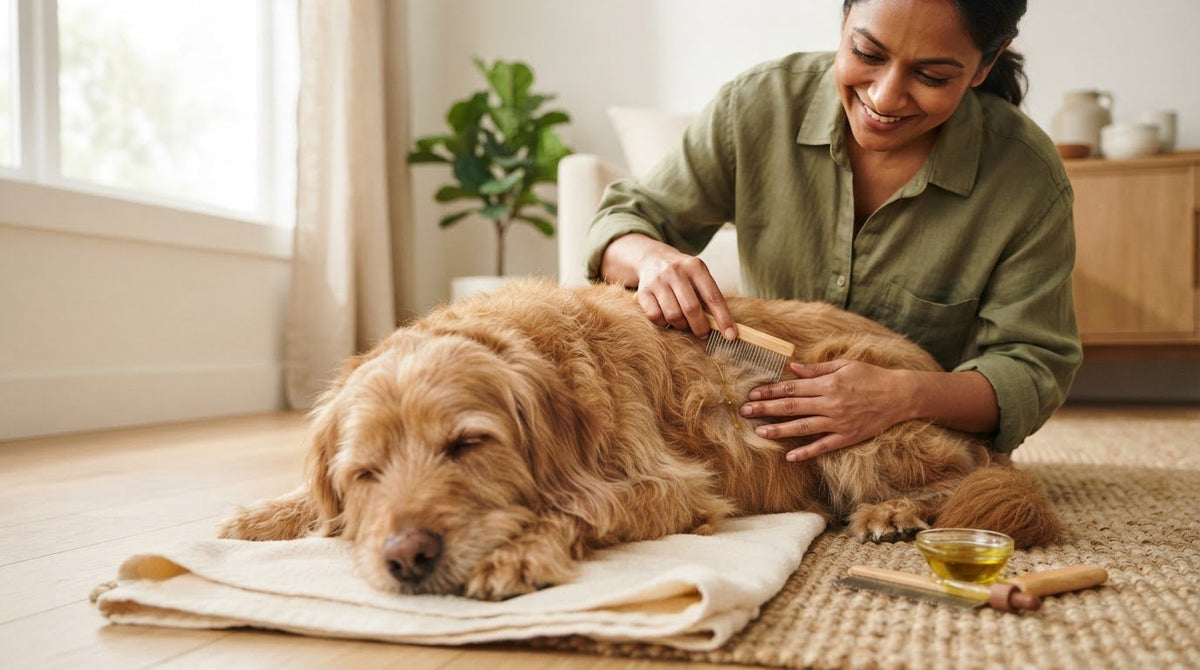
How to Get Sap Out of Dog Fur Gently
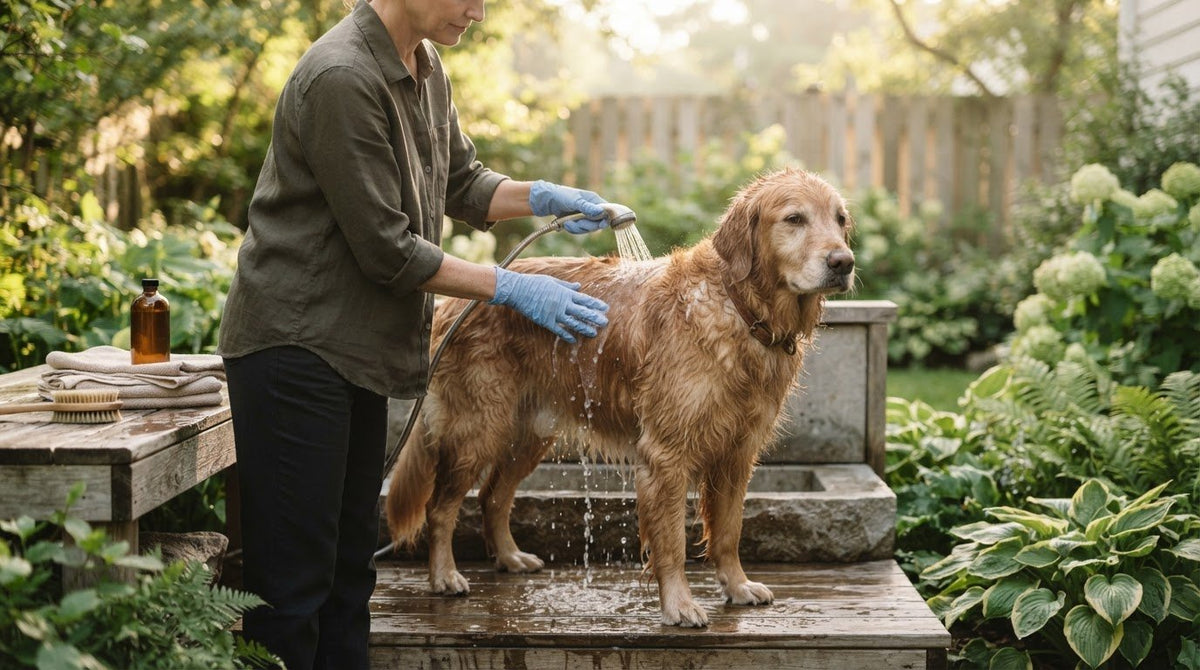
Don’t reach for a strong solvent when sap sticks to your dog’s coat. A gentle approach to how to get sap out of dog fur is to loosen the sticky patch with a little olive or mineral oil, then work it free slowly with your fingers or a wide-toothed comb. Wash away the residue with Pure Wash pet shampoo and warm water.
It’s understandable to want sap gone quickly, especially when it’s caught between your dog’s toes or close to the skin. But rubbing hard or using alcohol, petroleum products, chemical detergents, or astringent solvents can make cleanup harsher. Keep your dog from licking the sap or oily area while you work, and take extra care around paw pads and sensitive skin.
This guide covers careful combing, suitable oils, paw cleanup, and what to avoid. You’ll also learn when a stubborn patch is better left for careful trimming and which signs of irritation or illness call for veterinary attention. A calm, step-by-step cleanup can help you care for your dog’s coat without turning a sticky surprise into a stressful grooming session.
Key Takeaways
- Use your fingers and a wide-toothed comb to ease sap out slowly, without tugging at the coat.
- Try a small amount of olive or mineral oil to loosen sticky residue before washing it away.
- Give paws extra care, and prevent licking while you clean between the toes and around the pads.
- Skip alcohol, petroleum products, chemical detergents, and astringent solvents; they aren’t suitable for sap removal from dog fur.
Combing sap out gently
For a gentle approach to how to get sap out of dog fur, separate the sticky patch, loosen it, then ease it free with your fingers and a wide-toothed comb. Work slowly and stop if the comb catches or pulls.
Prepare for Gentle Combing
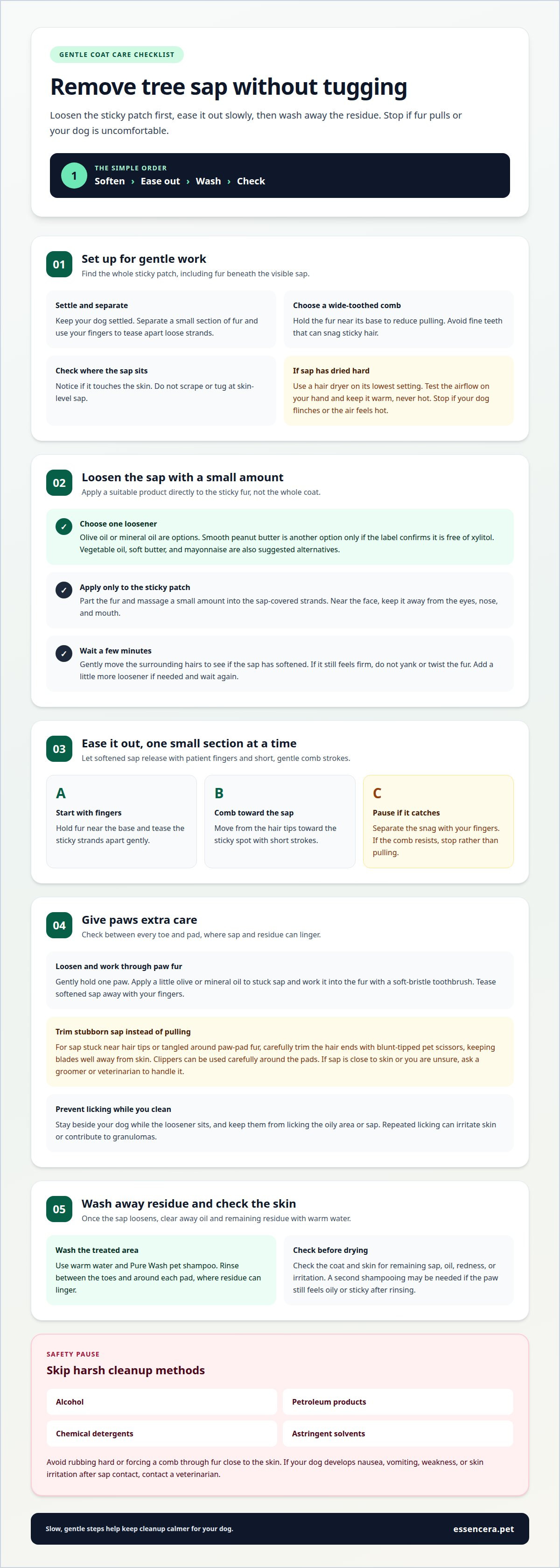
Find the full sticky patch, including fur beneath the visible sap. Keep your dog settled, then separate a small section so you can work without pulling nearby hair. Use your fingers first to tease apart loose strands. Check whether sap touches the skin, and avoid scraping or tugging there.
- Choose a wide-toothed comb, not a fine-toothed one that may snag sticky hair.
- Hold the fur near its base to reduce pulling as you work through the ends.
- Use your fingers to separate strands around the sap before combing.
Comb Out Dried Sap
Soften hardened sap before combing. Use a hair dryer on its lowest setting, test the airflow on your hand, and hold it far enough away that the air feels warm, never hot. Move the dryer gently around the patch. If your dog flinches or the air feels hot, stop and let the fur cool.
- Direct warm airflow at the dried patch, checking your dog’s comfort as you go.
- Once the sap softens, tease the fur apart with your fingers.
- Comb from the hair tips toward the sticky spot, using short, gentle strokes.
Remove sap promptly, since it becomes harder to work out the longer it stays in the coat. After combing, check the skin for irritation. If sap remains close to the skin, don’t force the comb through, as pulling can hurt your dog. Knowing how to get sap out of dog fur gently means stopping when the comb resists. Contact a veterinarian if your dog develops nausea, vomiting, weakness, or skin irritation after sap contact.
Loosening sap with oil or xylitol-free peanut butter
Olive oil, mineral oil, or smooth peanut butter can soften sticky sap so it releases with less pulling. Apply a small amount to the affected fur, wait a few minutes, then gently work the sap loose.
- Choose a suitable loosener. Use olive oil or mineral oil, or select smooth peanut butter labeled free of xylitol. Check the ingredients before opening the jar. Vegetable oil, soft butter, and mayonnaise are also suggested options, but stick with one product for this cleanup.
- Apply it to the sap, not the whole coat. Part the fur around the sticky patch and massage a small amount directly into the sap. Use your fingertips to coat the sticky strands. For a patch near your dog’s face, keep the product away from the eyes, nose, and mouth.
- Give the product time to work. Let the oil or peanut butter sit on the sap-covered fur for a few minutes. Check whether the sticky clump has softened by gently moving the surrounding hairs. Don’t yank or twist the fur if the sap still feels firm. Add a little more product if needed, then wait again.
- Ease out the loosened sap. Hold the fur near its base and tease the sticky strands apart with your fingers. Use a wide-toothed comb on the softened section, moving slowly from the hair tips toward the sap. Pause if the comb catches, and separate the snag with your fingers before continuing.
- Keep your dog from licking the area. Oil and peanut butter can tempt a dog to lick, spreading residue or leading to swallowed sap. Stay beside your dog while the product sits, then wash the area with warm water and Pure Wash pet shampoo once the sap loosens.
For sap caught on your dog’s paws, olive oil, mineral oil, or xylitol-free peanut butter can also be massaged onto the affected area to loosen it. Let it sit for a few minutes before working the sap out. Then wash the paws with pet-friendly shampoo and water. Vegetable oil, olive oil, smooth peanut butter, soft butter, and mayonnaise are also suggested for loosening sap from dog fur.
Removing sap from paws and paw-pad fur
Paws often pick up sticky sap, especially between the toes and around the pads. Work carefully through each paw, then wash away residue and check the skin.
-
Remove Sap From Paw Fur
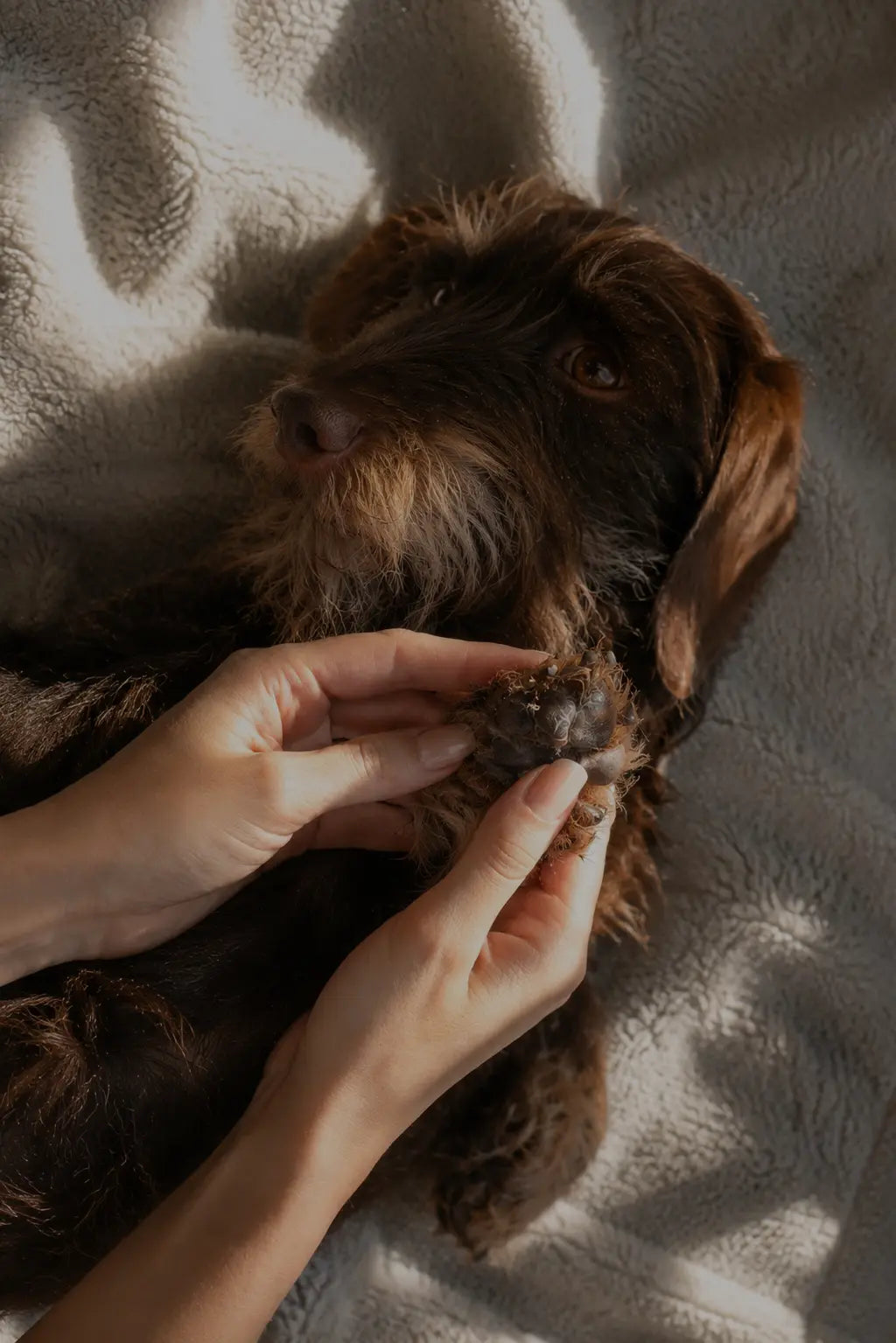
Gently hold one paw and inspect between every toe and pad. Apply a little olive or mineral oil to stuck sap, then use a soft-bristle toothbrush to work it into the fur. Tease the softened sap away with your fingers. Keep your dog from licking during cleanup, since repeated licking can irritate the skin or contribute to granulomas.
-
Trim Fur Instead of Removing Sap
Trim a stubborn patch if sap remains stuck near the hair tips or tangled around paw-pad fur. Use blunt-tipped pet scissors on the hair ends, keeping the blades well away from the skin. Clippers can be used carefully for sap-covered fur around the pads. If the patch sits close to the skin or you’re unsure, have a groomer or veterinarian handle it.
-
Bathe After Sap Removal
Wash the treated paw with warm water and pet-friendly shampoo to remove oil and sap residue. Rinse between the toes and around each pad, where residue can linger. Check the coat and skin before drying. A second shampooing may be needed if the paw still feels oily or sticky after rinsing.
After cleaning, check each paw for remaining sap, redness, or irritation. Don’t let your dog chew or lick a sticky spot while you decide what to do next. If sap is close to the skin, trimming is safer than pulling at the fur. Seek veterinary advice for irritated skin or other symptoms after sap contact.
Paws are a common place for sap to stick and can be tricky to clean, so check them promptly. Sap becomes harder to remove the longer it stays on the fur. For dogs with sensitive skin, a pet-specific tree sap removal product formulated and tested for pets may be an option.
If sap has hardened, a hair dryer on its lowest setting can soften it. Test the dryer on your hand and hold it far enough away that the air feels warm but not hot. Carefully trim stubborn sap near the hair tips with scissors, avoiding cuts close to the skin. Grooming clippers can carefully trim sap-covered fur around paw pads. If you’re uncomfortable doing this, have a groomer handle it.
Products and solvents to avoid
For sap removal, skip strong household cleaners and solvents. Astringent solvents, chemical detergents, petroleum products, and alcohol aren’t suitable for dog fur. Their cleaning power doesn’t make them safe for your dog’s coat or skin.
- Keep alcohol away from the sticky patch. Don’t dab rubbing alcohol or an alcohol-based cleaner onto sap, even on a small area. Choose a gentle removal method instead, such as loosening the sap with olive or mineral oil before washing the coat.
- Don’t use petroleum products. Avoid reaching for petroleum jelly, fuel, or other petroleum-based substances to dissolve tree sap. Choose gentle methods when removing sap from your dog’s fur. Use a suitable oil in a small amount, then wash the treated fur with warm water and Pure Wash pet shampoo.
- Leave chemical detergents and astringent solvents out. Household cleaning detergents and solvent cleaners are not substitutes for pet shampoo. Don’t apply them to the coat, paws, or skin to break down sticky residue. If sap remains, repeat a gentle method rather than escalating to a stronger cleaner.
- Don’t scrape or scrub with rough tools. A scouring pad, stiff brush, or sharp-edged object can tug at fur and put pressure on the skin. Use your fingers or a wide-toothed comb for coat strands. Around paw pads, work carefully and stop if the fur resists.
- Check the label before using any cleanup product. Don’t assume a product is suitable because it’s labeled natural or works on household messes. For example, avoid cleaners with alcohol or petroleum ingredients. Keep your dog from licking the sap or product while you clean.
The safer rule is simple: use gentle, pet-appropriate cleanup methods, not solvents. If the sap won’t release without force, don’t cut close to the skin or reach for harsher products. A stubborn patch near the skin is better handled with careful trimming by someone equipped to do it safely.
Essencera: Pure Wash
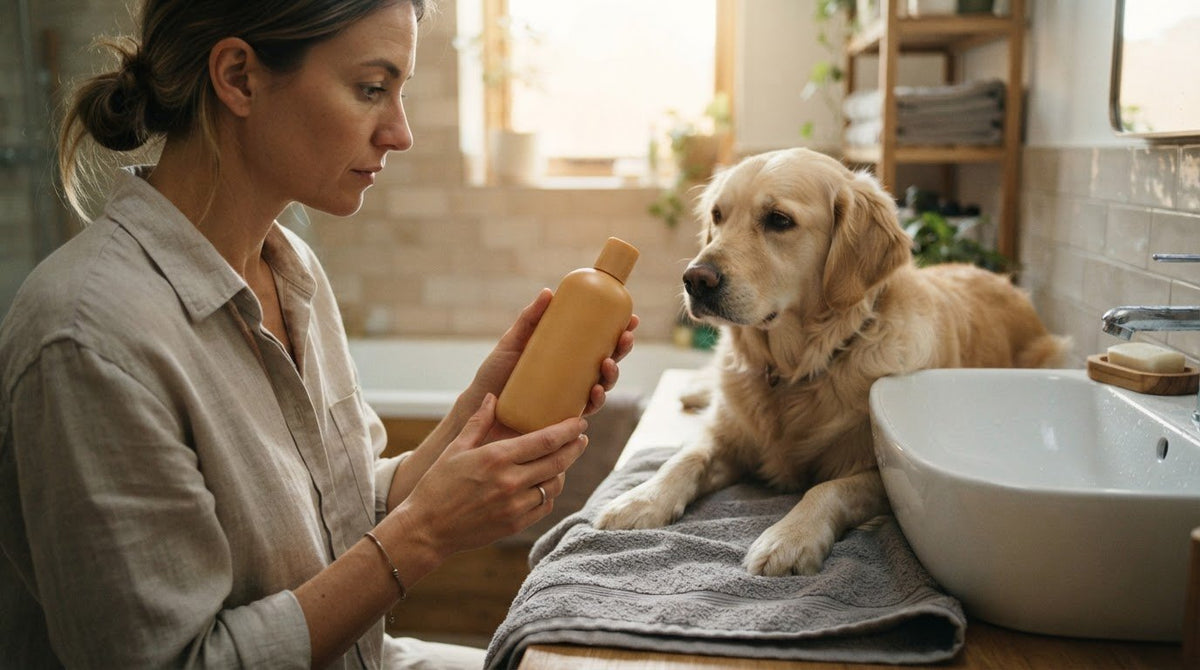
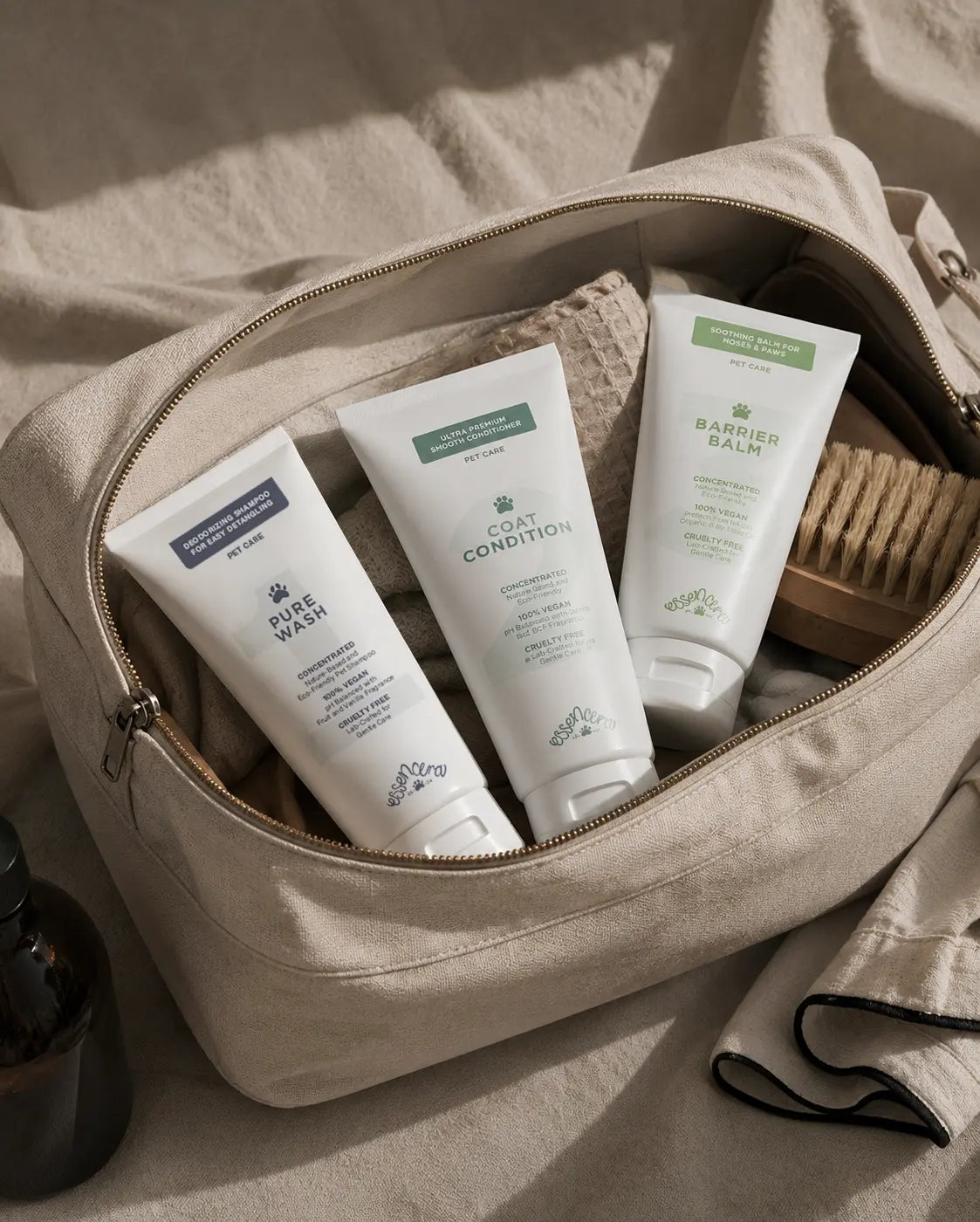
Essencera Pure Wash is a gentle pet shampoo for washing away oily residue after you’ve loosened sap. Its concentrated paste uses coconut-derived cleansers and suits all coat types, including dogs that need frequent washing. Hyaluronic acid and amino acids support hydration and coat care during the bath.
Wet your dog’s coat with warm water, work the product gently through the affected fur, and rinse thoroughly. For a sensitive dog, keep the wash away from the eyes and stop if irritation develops. A second wash may help if the coat still feels oily. Explore Pure Wash pet shampoo for a gentle post-cleanup wash.
For rough, dry paw pads after cleaning, Barrier Balm helps moisturize the skin. Visit essencera.pet to explore these gentle coat-care options.
Make the next outdoor cleanup easier
After a walk beneath sticky trees, check your dog’s coat and paws to spot sap before it tangles or spreads. Keep a wide-toothed comb and a gentle cleanup routine ready, and let your dog’s comfort guide each step. Knowing how to get sap out of dog fur gently is useful, but persistent skin irritation or signs of illness call for veterinary attention.
Once the sap is removed, wash away residue with PureWash Shampoo. For ongoing coat care, Essencera also offers Coat Condition, a conditioner that provides slip, shine, and easy brushing, and BarrierBalm Paws and Nose Cream for a lightweight protective layer. Choose the care that fits your dog’s needs, without reaching for harsh solvents.
For help choosing among these grooming products, contact Essencera for help. A calm cleanup and thoughtful aftercare can make the next adventure feel a little less sticky.
Frequently Asked Questions
Why Is Sap a Problem for Dogs?
Sap can stick fur together, irritate the skin, and cause problems if a dog swallows it while licking. A sticky clump between the toes can also prompt repeated licking and make the skin sore. Some tree sap can be toxic or irritating, so check your dog’s coat after outdoor time, especially around the paws and areas that touched trees.