
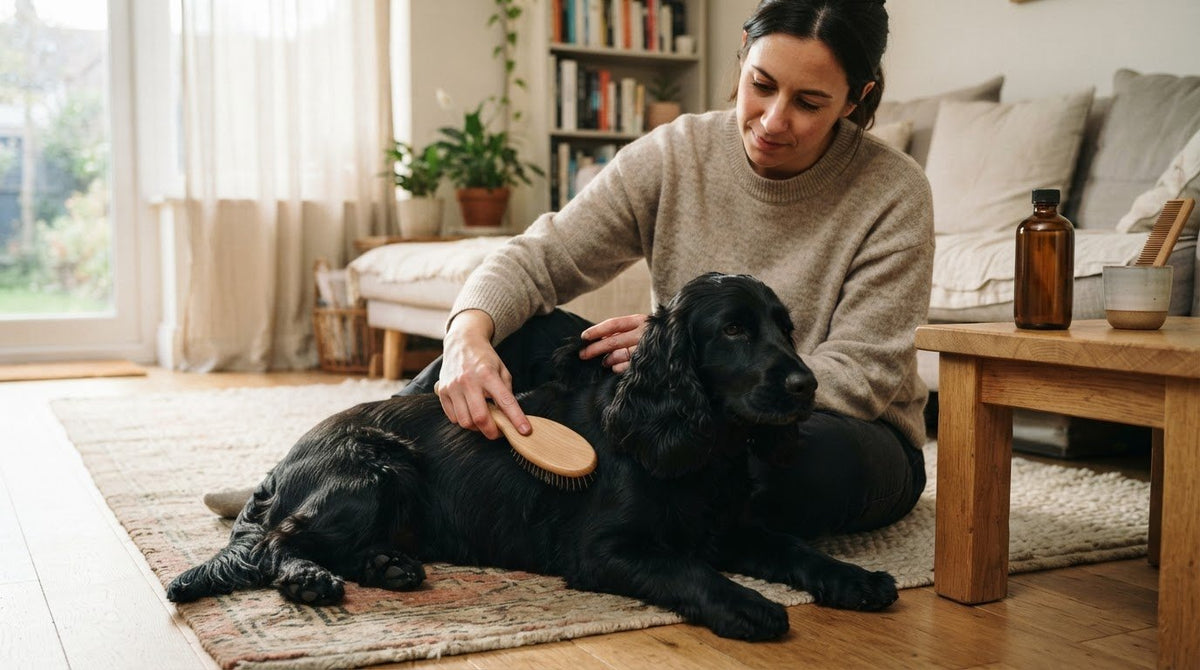
My dog's coat feels dull and lifeless: what can help
A coat that loses its shine may need more than a bath. If my dog's coat feels dull and lifeless, it’s understandable to wonder what changed and which next step makes sense. A shift in coat appearance can be unsettling, but it’s useful to look at the whole picture rather than reach for a quick fix.
Notice what feels different: the coat’s texture, your dog’s grooming routine, or their comfort during everyday activities. These details can help you describe the change and decide whether home care is appropriate or veterinary advice is needed. Appearance alone cannot identify the cause.
This guide explores what a healthy coat looks and feels like, possible reasons its condition changes, and whether omega-3 may help. It also covers brushing during shedding and signs that call for veterinary advice. The aim is to help you choose a thoughtful next step for your dog, with care that supports their comfort without overlooking changes that deserve attention.
Key Takeaways
- Notice changes in softness, shine, flakes, or scratching to help distinguish a simple coat change from a skin concern.
- Consider how indoor air, shedding, and your dog’s routine may affect coat condition before changing their care.
- A dull coat alone doesn’t show that your dog needs omega-3; ask your veterinarian before adding supplements or changing their diet.
- Keep brushing gentle and regular during shedding, and seek veterinary advice for persistent dryness, strong itching, redness, or an unusual smell.
1. Why has my dog’s coat suddenly become dry and dull?
If my dog's coat feels dull and lifeless, dry skin, brittle hair, shedding, or a skin condition may be involved. A healthy coat is usually soft and smooth, so note changes in texture as well as visible flakes or increased scratching. Dullness alone does not reveal the cause, but noting where and when it began can help guide your next step.
Indoor conditions may play a part. Heating during colder months and air conditioning in summer can lower indoor humidity and contribute to dry skin. A humidifier may help when the air feels dry, while senior dogs may retain moisture less effectively as they age. Bathing more often than needed can remove natural coat oils. Human shampoo may also be too harsh for canine skin. If a wash is needed, choose a dog-formulated cleanser such as Pure Wash dog shampoo.
Look beyond shine if your dog’s coat color changes across the body. Stress or anxiety, vitiligo, hypothyroidism, liver disease, and kidney disease can be associated with color changes. Hypothyroidism may also involve thinning hair, weight gain, and lethargy. Note where the color shifts appear and whether your dog’s energy or body shape has changed. This information can help a veterinarian assess the situation.
Allergies, stress, and seborrhea are other possible causes. Food ingredients or environmental pollen can trigger allergies and bare patches; seborrhea may cause dry flakes or greasy, itchy skin with an unpleasant smell. Secondary seborrhea can be linked to allergies, endocrine disease, obesity, or dietary deficiencies. A balanced diet supports coat health, but dullness alone does not establish a nutrient deficiency. Track eating, new symptoms, hair loss, and coat changes, and seek veterinary advice if problems persist.
2. Can omega-3 help a dog’s dull coat?
Omega-3 may support skin and coat health for some dogs, especially if their food lacks essential fatty acids. But a dull coat alone doesn’t show that your dog needs supplements. Essential fatty-acid deficiency is uncommon when a dog eats properly formulated, complete and balanced food.
Dietary fats help support the skin’s natural barrier, and food quality and storage both matter. A food may affect skin health if it lacks omega-3 or omega-6, or if its oils have gone rancid through improper storage. Check the food’s storage instructions and keep it fresh. Fish can provide omega-3, but adding fish or supplements isn’t automatically the right fix for coat problems.
One small study looked at dogs with poor-quality coats. In a 16-week dog study, supplementation with 68 ± 19 mg EPA + DHA/kg/day raised the Omega-3 Index from 1.4% ± 1.0% to 3.3% ± 1.1%, according to National Center for Biotechnology Information. Another small study reported clinical coat improvement by around two months. These findings offer context, not a dosing plan for every dog.
An oily coat calls for a different approach than dry, flaky skin. Greasiness can occur with seborrhea and may come with itching or an unpleasant smell. Adding oil won’t identify or treat an underlying cause, such as allergies or another skin problem. A veterinarian can assess the changes and advise whether supplements are appropriate.
Healthy skin and coat nutrition depends on a complete diet that supplies essential fatty acids; there’s no single supplement amount for every dog. A veterinarian should set omega-3 and omega-6 doses based on your dog’s size. If a food change is needed, improvement may take time: one small supplement study observed changes around two months, but that doesn’t predict how quickly a particular food change will help. Keep the feeding routine consistent and note coat changes for discussion at your dog’s next visit.
3. When to consult a veterinarian
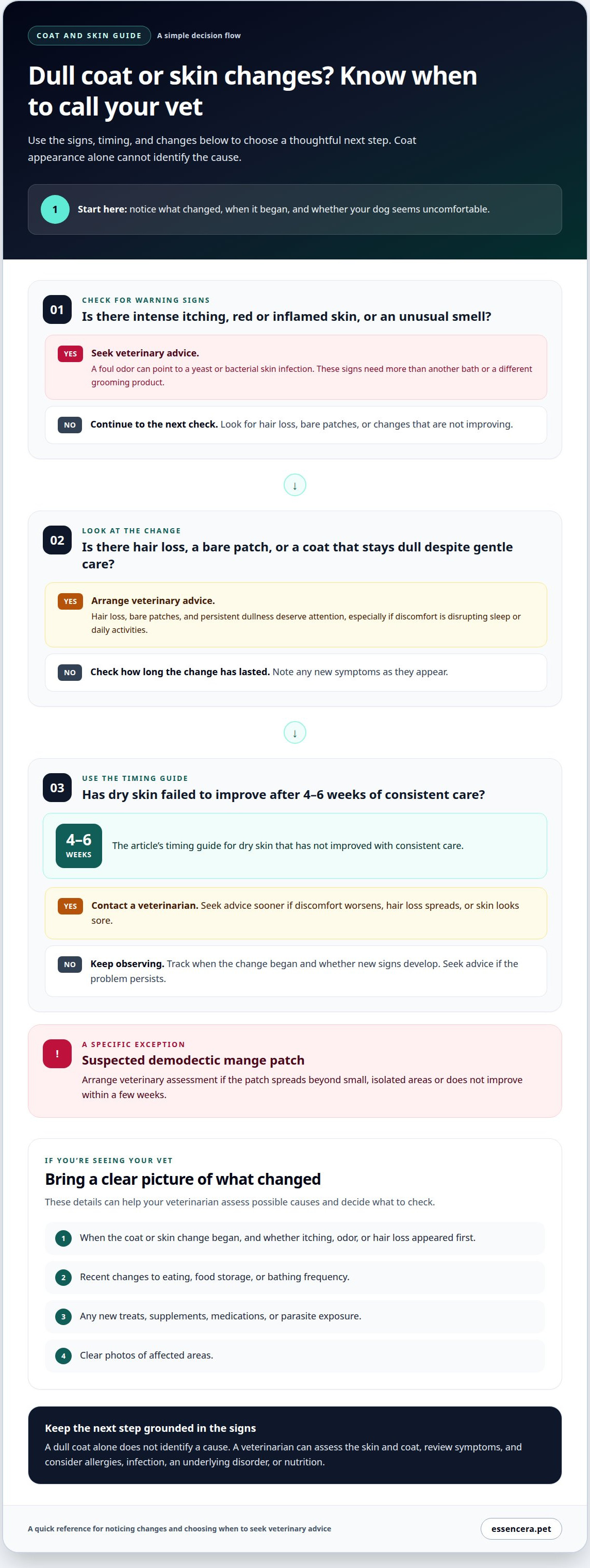
Seek veterinary advice if coat changes come with intense itching, red or inflamed skin, or an unusual smell. A foul odor can point to a yeast or bacterial skin infection. Hair loss, bare patches, or a coat that stays dull despite gentle care also deserve attention. These signs need more than another bath or a different grooming product.
Timing matters. If dry skin hasn’t improved after 4-6 weeks of consistent care, contact a veterinarian, especially if other symptoms appear. Seek advice sooner for worsening discomfort, spreading hair loss, or skin that looks sore. If a suspected demodectic mange patch spreads beyond small, isolated areas or doesn’t improve within a few weeks, veterinary assessment is appropriate.
At an appointment, the veterinarian can assess your dog’s skin and coat, review symptoms, and consider possible causes such as allergies, infection, or an underlying disorder. A dull coat can also accompany poor nutrition. Diagnostic tests can help identify nutrient imbalances and guide a suitable diet plan. Share when the change began and whether itching, odor, or hair loss appeared first.
Before the visit, note recent changes to your dog’s eating, food storage, bathing frequency, and shampoo. Record any new treats, supplements, medications, or parasite exposure, and take clear photos of affected areas. These details can help the veterinarian connect coat changes with your dog’s routine. Avoid applying extra products to irritated skin before the assessment, as they may complicate the picture.
Coat care can help with appearance, but it cannot treat every cause. If your dog’s coat remains dull despite routine care, or discomfort disrupts sleep or daily activities, make an appointment rather than bathing more often. A veterinarian can determine whether targeted treatment, dietary changes, or another approach is needed, then help plan care around the diagnosis.
4. Regular brushing and coat care during shedding
Shedding can make a dog’s coat look uneven or less glossy as loose hairs collect among the remaining fur. Gentle brushing removes loose hair and dead skin cells while helping spread natural oils along the coat. For many dogs, this simple step keeps the coat looking tidier between baths.
Use a brush suited to your dog’s coat, then work in small sections from the skin outward. Keep strokes gentle, especially over the belly, behind the ears, and around the tail, where tangles can gather. Pause if your dog shows discomfort, scratching, or redness. Curly-haired dogs benefit from brushing 2 to 3 times a week, according to Canine Welfare Science, Purdue University.
During a coat change, brush more often, ideally once or twice a day, adjusting to your dog’s comfort and coat type. A few calm minutes can remove loose undercoat before it mats or spreads around the home. Check the brush after each pass; if it catches, ease the tangle apart gently instead of pulling. Regular checks also help you spot new flakes, bare patches, or irritated skin.
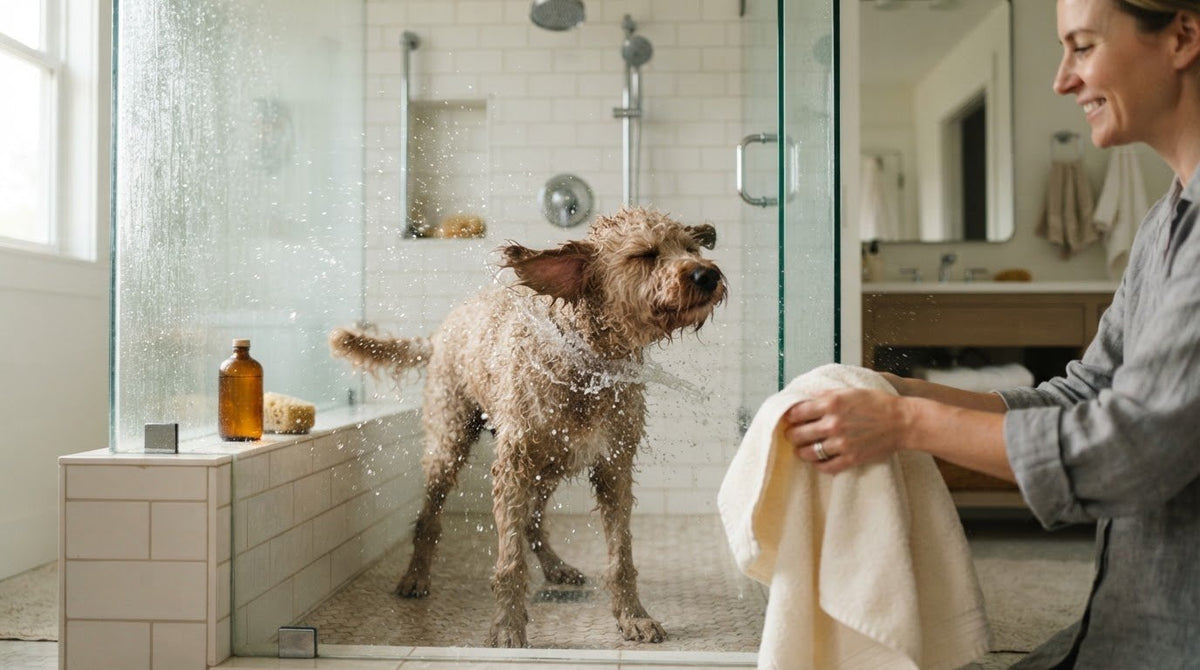
Home care can support coat appearance, but it won’t address every cause of dullness. Bathe your dog only as often as needed, and avoid human shampoo, which can be too harsh for canine skin. Rinse thoroughly and dry the coat fully, paying attention to dense areas where dampness can linger. A healthy coat should feel soft and smooth, whatever its texture.
Brushing and bathing are routine care, not substitutes for veterinary attention. Contact a veterinarian if coat changes persist despite consistent care, or if you notice intense itching, inflamed skin, an unusual odor, or spreading hair loss. These symptoms can point to allergies, infection, or another underlying problem. Pair gentle grooming with prompt advice when the signs suggest more than normal shedding.
Essencera: Coat Condition
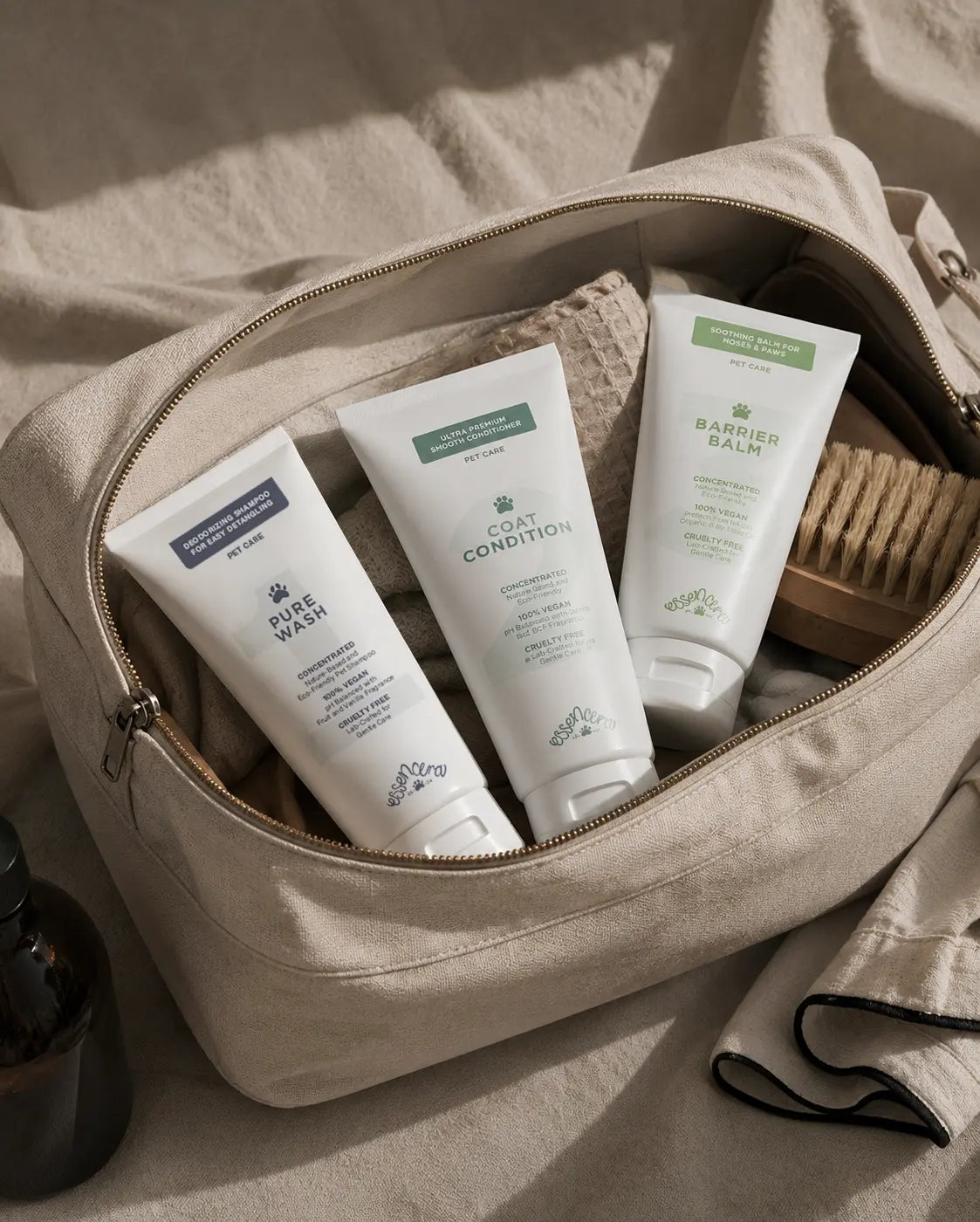
The anti-tangle premium conditioner is Essencera’s conditioner for dogs whose coat feels dry, rough, or difficult to brush after bathing. Its formula helps smooth the hair cuticle, making brushing easier during drying and finishing. It’s designed to support coat care, not to remove severe mats or treat an underlying skin condition.
After bathing, squeeze excess water from the coat, then work a small amount of anti-tangle premium conditioner through the lengths, focusing on tangles and dry ends. Leave it on for 1-3 minutes, rinse thoroughly, then towel dry and brush as usual. Amino acids, aloe, and panthenol help condition the coat and support the skin barrier.
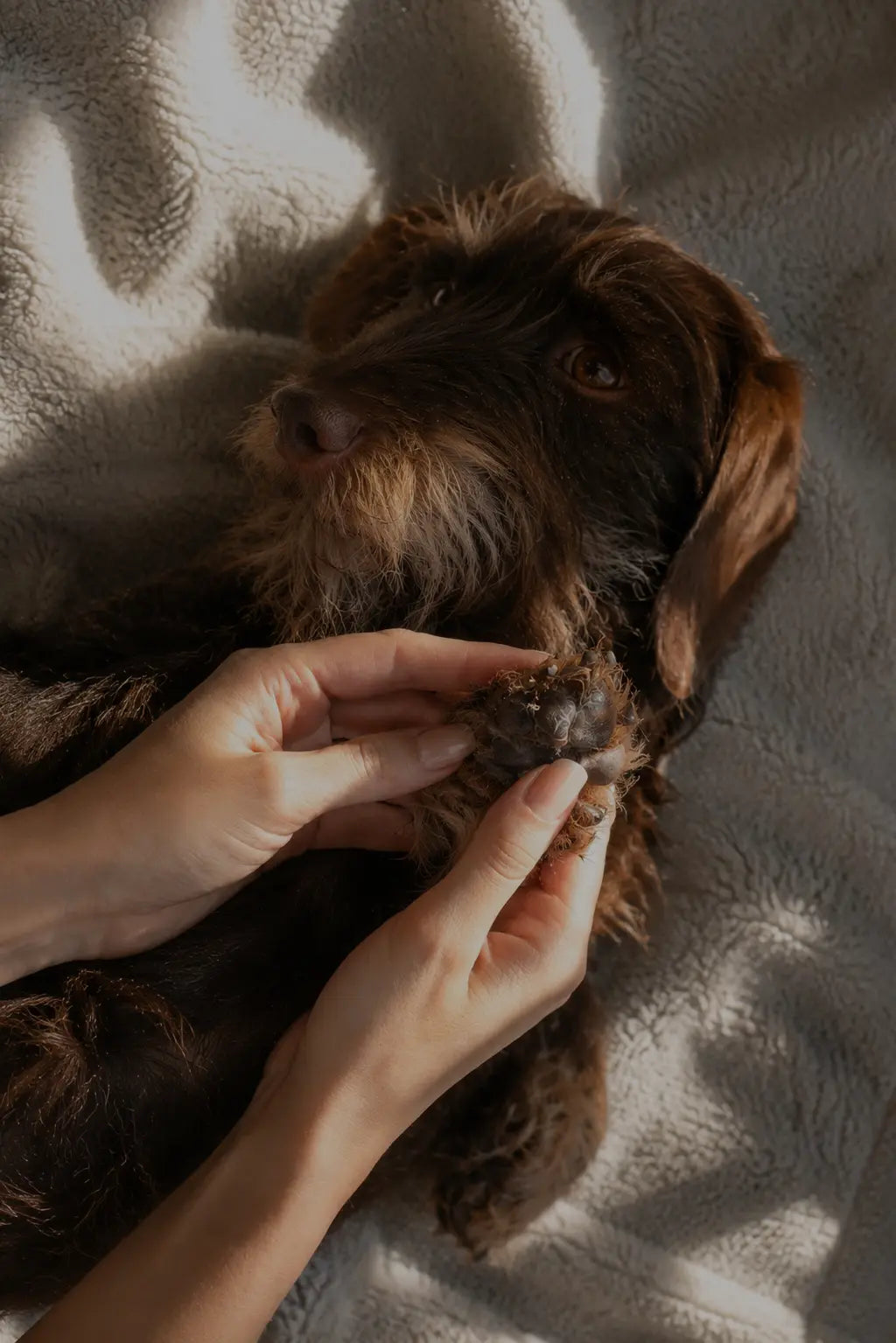
For rough or dry paws and noses, Essencera’s Barrier Balm is a balm for paws and nose that helps hydrate dry or rough areas, not the whole coat. If dullness comes with ongoing itching, redness, hair loss, or an unusual smell, seek veterinary advice instead of relying on grooming products alone.
For help choosing a coat-care step, contact Essencera.
Make coat care a gentle routine
If my dog's coat feels dull and lifeless, I can make grooming a calmer, more thoughtful part of our routine. Mindful care can support comfort while helping me notice what suits my dog. If changes persist or come with irritation, veterinary advice remains the right next step.
For routine cleansing, Pure Wash dog shampoo offers a gentle wash. After bathing, Coat Condition anti-tangle premium conditioner can help make brushing easier during finishing. For localized roughness on paws or nose, Barrier Balm is made to hydrate those areas. Choose care that fits your dog’s needs, and keep the routine comfortable and unhurried.
Ready to find a thoughtful fit for your dog’s grooming routine? Contact Essencera, and take the next small step toward gentler coat care.
Frequently Asked Questions
What Does a Healthy Coat Look Like?
A healthy coat looks clean and reflects your dog’s natural texture, whether sleek, curly, or dense with an undercoat. Check the skin beneath the fur for persistent redness, greasy patches, or areas your dog guards when touched. Comparing the same spot over time can help you notice subtle changes without expecting every breed’s coat to look identical.
Why has my dog’s coat suddenly become dry and dull?
A sudden change can follow a shift in routine, such as a different bathing product, a recent move, or a change in food storage. Note what changed and when, then watch for scratching, odor, flakes, or thinning areas. Persistent dryness, especially alongside other symptoms, deserves veterinary attention, since grooming changes alone may not address the underlying cause.
Can omega-3 help a dog’s dull coat?
Omega-3 may help when a dog’s diet or health needs make additional fatty acids appropriate, but a dull appearance alone doesn’t show that supplements are needed. Before adding fish oil or changing food, review your dog’s current diet with a veterinarian. Mention any existing supplements and health conditions so the advice accounts for the whole feeding routine.
How can I make my dog's fur shiny again?
Start with a consistent routine: gentle brushing, bathing only when needed, and a complete, balanced diet. Choose dog-formulated grooming products, rinse thoroughly, and avoid household oils on the coat. Take occasional photos in similar lighting to track changes. If shine doesn’t return or new skin symptoms develop, ask your veterinarian about possible causes.
Should You Be Worried About Your Dog’s Coat?
A coat change is more concerning when it comes with strong itching, inflamed skin, an unusual smell, or spreading hair loss. Contact a veterinarian if dry skin hasn’t improved after 4-6 weeks of consistent care, or sooner if your dog seems uncomfortable. A persistent dull coat can have causes that need assessment rather than more frequent grooming.
What are the best home remedies for dull dog coats?
Keep home care simple: brush gently, provide fresh drinking water, and use a dog-formulated shampoo when bathing is needed. Essencera’s Pure Wash Shampoo is a low-lather cleanser for dogs, with a fragrance-light formula for reactive skin. Avoid pantry mixtures or adding supplements without veterinary guidance, especially if your dog has itching, redness, or other symptoms.