Saving Money on Dog Grooming by Understanding Prices and Options
Professional grooming doesn’t have to mean booking a full salon service every time.
It’s understandable to want your dog comfortable and well cared for without stretching your budget. Regular brushing, wipes between baths, a basic trim, or alternating home baths with salon visits can help manage grooming expenses while keeping your dog’s coat in good shape. This guide explains what affects professional grooming costs and how to choose practical options that suit your dog’s needs.
Key Takeaways
- Understand which factors shape a grooming bill, including your dog’s size, coat, and the service they need.
- Keep tangles from turning into a bigger grooming task with a brushing routine that suits your dog’s coat.
- Compare salon and mobile grooming, and consider simpler appointments for routine coat care.
- Use grooming wipes between baths and reserve full washes for when your dog needs one.
- Ask for a practical trim rather than a more elaborate cut when a full style isn’t needed.
1. How Much Does Professional Dog Grooming Cost?
Your dog’s size and coat affect the price, as does the work requested. A small dog needing a bath requires different care from a large, curly-coated dog needing drying and trimming. Saving money on dog grooming starts with choosing the services your dog needs at each appointment, rather than automatically booking the same package every time.
Alternating professional appointments with at-home baths can help manage routine care. For example, keep salon visits for clipping and shaping, then bathe your dog at home between visits. Choose a suitable time and prepare a warm, secure bathing area. Wet the coat thoroughly, use a pet-safe cleanser according to its label, and rinse until the water runs clear. Dry the coat fully, especially where dense fur may hold moisture.
A self-service dog wash can be useful if your home lacks a suitable tub or cleanup space. You handle the bath, while the facility provides a washing area and equipment. Follow posted instructions, keep your dog steady on a nonslip surface, and monitor dryer heat. This option covers bathing, but it doesn’t replace clipping or skilled coat work your dog needs.
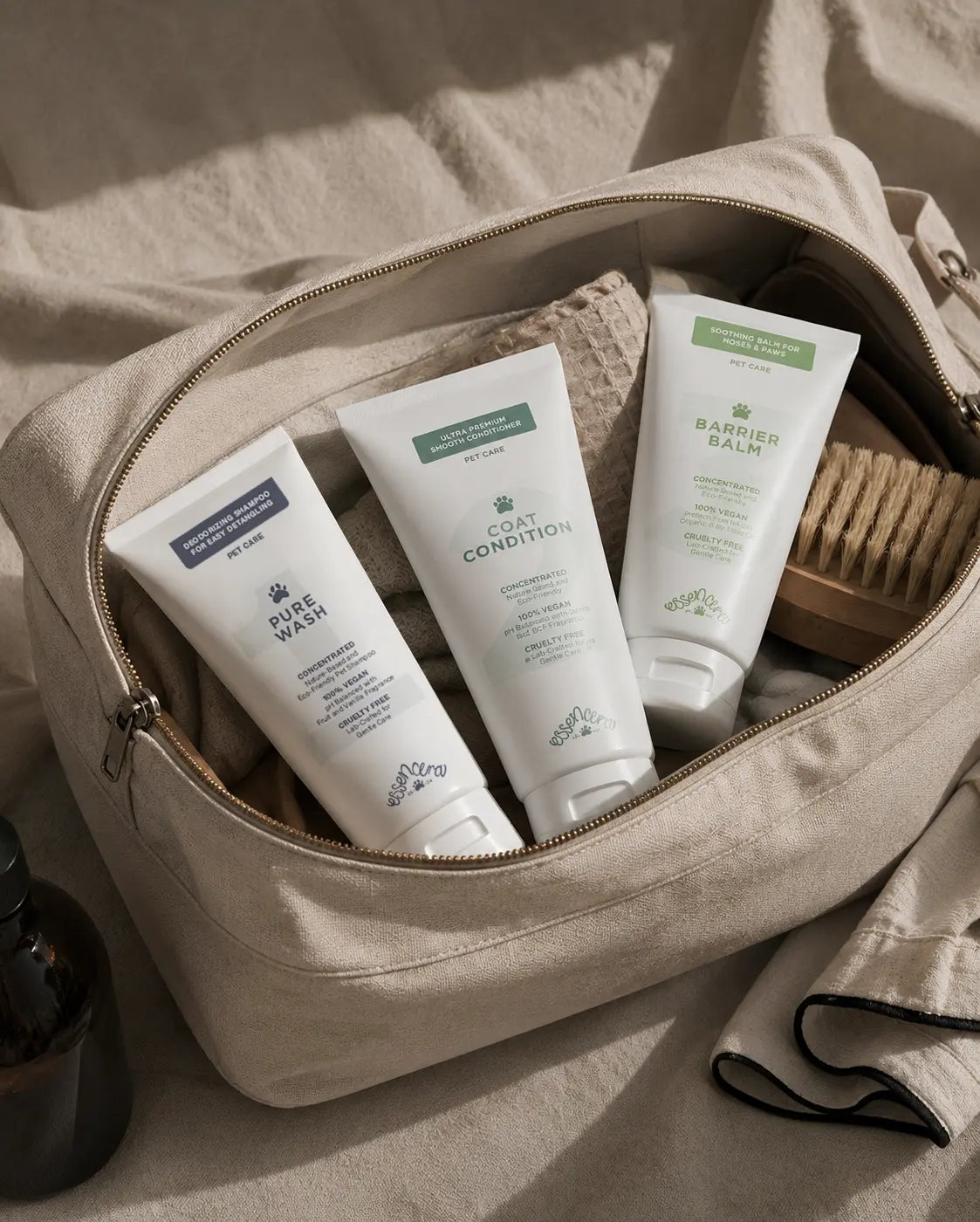
Choose home-care products based on your dog’s coat, skin needs, and bathing routine. Read each label, follow directions, and avoid human products unless a professional recommends them. For at-home baths, a concentrated pet shampoo such as Pure Wash is designed to be used in a small amount. Keep a brush, comb, towels, and cleansing products together to make bath day easier and avoid waste. This planning supports saving money on dog grooming while keeping the routine manageable.
Home grooming tools can cost less over time than paying for every routine task at a salon. Their value depends on your dog’s coat, how often grooming is needed, and how comfortable you are using them. Brushing and bathing may suit some owners, but clipping a complex coat takes skill, so leave difficult work to a groomer. For breeds needing regular clipping, combine professional appointments with home care for tasks you can manage safely. Keeping those roles clear makes saving money on dog grooming part of attentive coat care.
2. Brushing regularly to prevent mats and emergency grooming fees
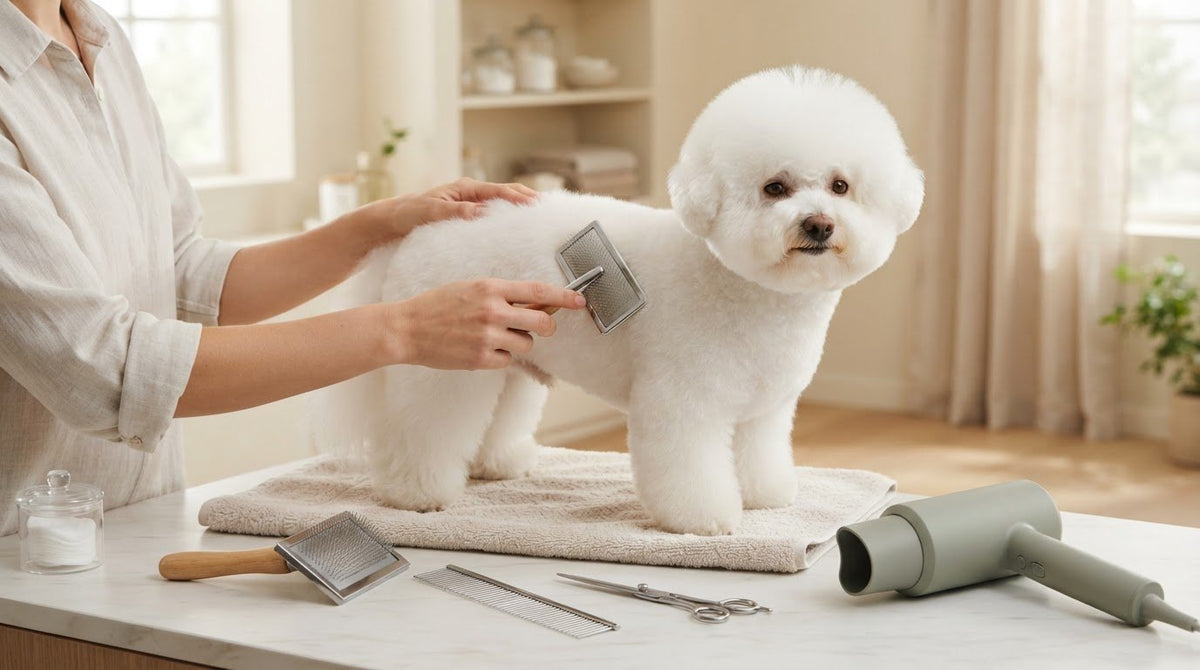
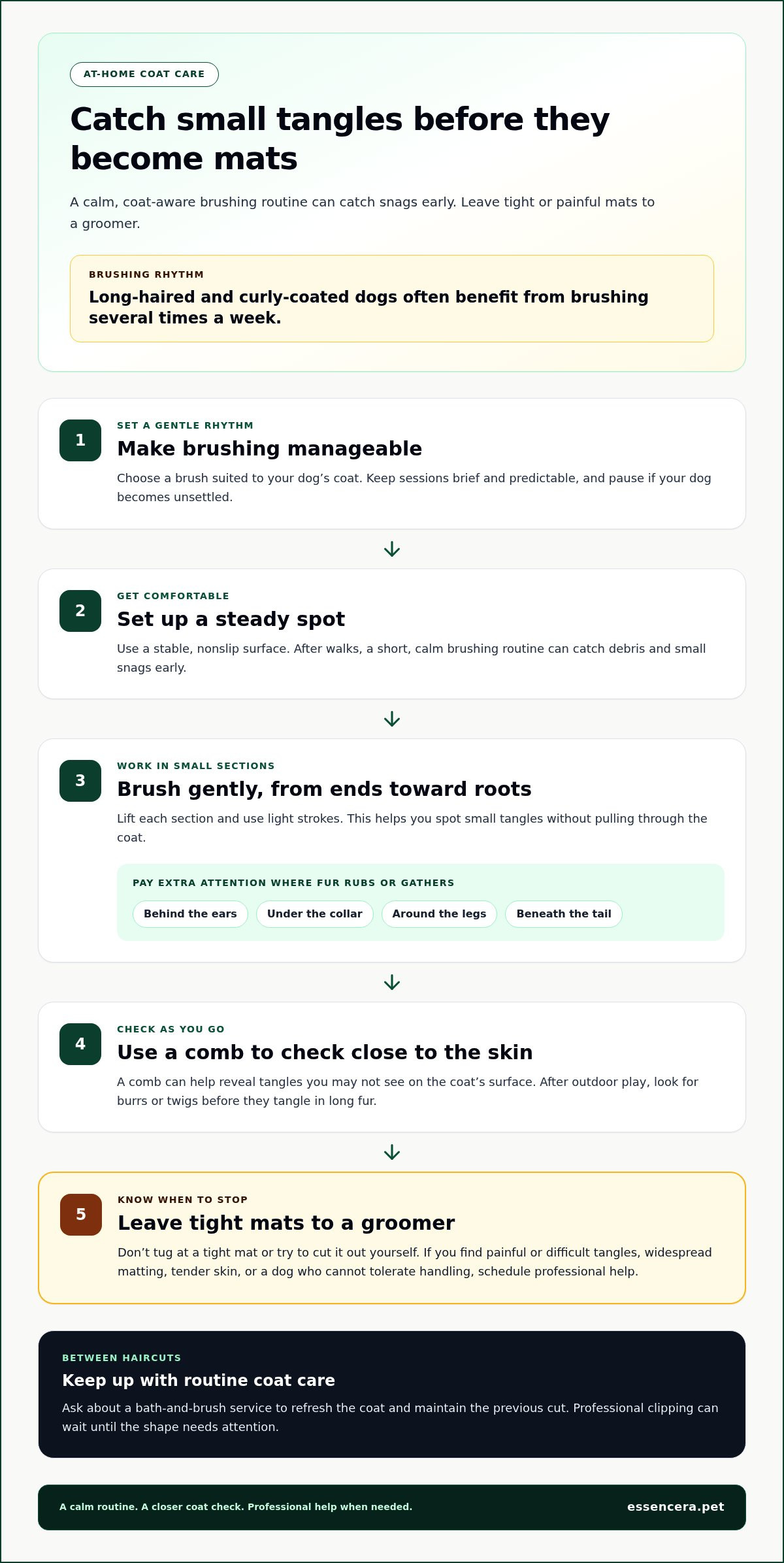
Regular brushing helps stop tangles from tightening into mats, which can become uncomfortable and require extra grooming. Long-haired and curly-coated dogs often benefit from brushing several times a week. For a curly-coated dog, a short, calm brushing routine after walks can catch debris and small snags before they turn into dense knots.
To reduce grooming costs without compromising your dog’s well-being, maintain the coat at home and book professional care for tasks that need skill. Choose a brush suited to your dog’s coat, work in small sections, and use a comb to check close to the skin. If you find a tight mat, don’t tug at it or cut it out yourself. Painful or difficult tangles are better handled by a groomer.
Pay extra attention to places where fur rubs or gathers, such as behind the ears, under the collar, around the legs, and beneath the tail. Gently lift each section and brush from the ends toward the roots with light strokes. A quick check after outdoor play can also catch burrs or twigs before they tangle in a long coat.
Between haircuts, ask about a bath-and-brush service instead of booking a full haircut every time. It can refresh the coat and help maintain the previous cut, while professional clipping can wait until the shape needs attention. For breeds that need regular clipping, a planned mix of home brushing and professional visits may be easier to manage than waiting until the coat becomes difficult to handle.
Brushes and clippers are an upfront expense, but buying tools can cost less than paying for every grooming appointment. Choose tools for your dog’s coat rather than buying a large kit. A comb may suit a fine, straight coat, while a brush designed for dense or curly fur may be more useful for a dog prone to tangles. Clippers require steady handling and the right guard, so if you lack experience, leave close clipping to a groomer.
Make brushing comfortable and predictable. Set your dog on a stable, nonslip surface, keep sessions brief, and offer a pause if they become unsettled. If brushing reveals widespread matting, tender skin, or a dog who cannot tolerate handling, schedule professional help rather than forcing the session. Preventive brushing can keep a small snag from becoming an expensive, stressful grooming problem.
3. When salon grooming may cost less
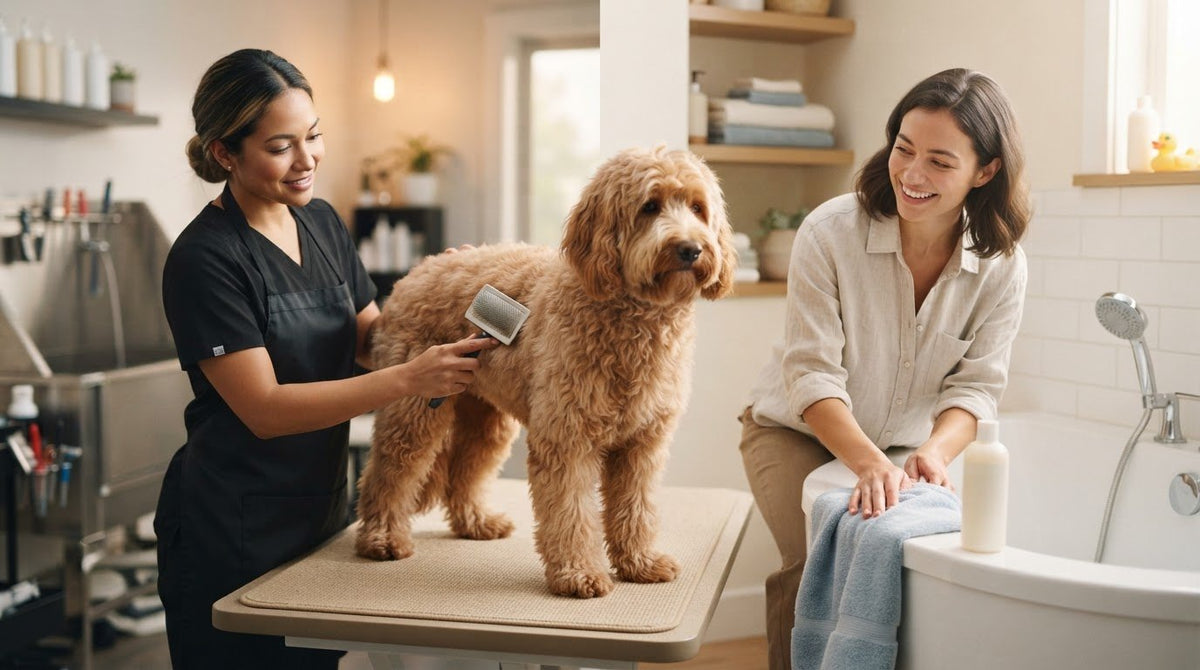
A salon is usually the more affordable professional option for routine maintenance, while mobile grooming typically costs more. The difference can add up if your dog needs regular appointments, but the best fit also depends on coat needs, travel, and your dog’s comfort. A salon visit may suit a relaxed dog needing a bath and brush, while mobile service offers convenience at a higher typical cost.
To look for a lower-cost groomer, ask friends or neighbors for recommendations, then explain your budget and the specific tasks your dog needs. Ask about a bath and brush without a haircut, or whether nail trimming can be booked separately. Non-peak appointment times may offer more options. Compare what each service includes, not just its advertised starting price, so you know whether bathing, drying, trimming, and nail care are covered.
In the United States, practical ways to seek more affordable grooming include getting recommendations from people nearby, explaining your budget to salons, and asking about non-peak appointment times. These steps can help you find a lower-cost option without assuming a particular assistance program is available in every community.
DIY grooming can be difficult when a dog has a dense coat, severe mats, or needs a precise clip. Long-haired and curly-coated dogs can develop tight tangles that become uncomfortable, and working through them forcefully can distress the dog. Choose professional help for severe matting or clipping beyond your skill. Groomers don’t diagnose health issues, but they may notice an abnormality and suggest contacting a veterinarian.
Use home care for simple maintenance, not as a reason to skip tasks your dog needs. Brush regularly, check for tight snarls, and keep nails from becoming overgrown. Overgrown nails can cause pain, posture issues, and injuries, so careful at-home trimming or a quick nail-trim appointment may be more sensible than waiting. If you’re unsure how to trim safely, leave the task to a professional.
Pet sitting and grooming meet different needs. A sitter may care for your dog while you’re away, but sitting doesn’t replace bathing, brushing, nail care, or clipping. If arranging care during a trip, leave clear instructions for your dog’s regular brushing routine and book grooming separately when needed. That keeps comfort and coat care in view instead of treating a lower-cost sitting arrangement as a grooming substitute.
For a balanced plan, reserve salon visits for tasks that need professional skill, then handle suitable upkeep at home. A short-haired dog may need less coat care than a curly-coated dog, while a dog with difficult tangles may need more hands-on professional help. Match the appointment to the task, and ask about simpler service options before booking a full groom.
4. Using dog grooming wipes between baths
Dog grooming wipes can lift everyday dirt between baths and may help extend the time until the next one. They’re useful after a muddy walk, a meal that leaves crumbs on the muzzle, or a trip that brings dust onto your dog’s paws. A quick clean refreshes specific areas without turning every small mess into a full bath.
Choose wipes made for pets, and read the package directions before use. A wipe intended for a dog’s coat is a better fit than household cleaning wipes, which aren’t designed for pet grooming. If your dog has sensitive skin, review the ingredient list and try a small area first. Stop using the wipes if you notice irritation.
Use one wipe at a time and focus on the area that needs cleaning. For paws, gently wipe each pad and between the toes, then check for visible grit. For a dirty belly, wipe along the coat rather than scrubbing back and forth. Use a clean section of the wipe as it picks up dirt, so you don’t spread grime across clean fur.
Wipes work best for surface messes, not heavy dirt or a coat that needs a proper wash. A dusty paw after a short walk may need only a wipe, while mud packed into long fur may call for rinsing and drying. Wipes don’t remove tangles or replace brushing. If your dog’s coat feels dirty close to the skin or has debris caught underneath, wiping the top layer won’t solve the problem.
Keep the packet where cleanup happens, such as near the entryway or in a travel bag. Close the seal after each use so the remaining wipes don’t dry out. Clean dusty paws at the door after a walk, or wipe crumbs from your dog’s muzzle after a meal. These small routines make wipes easy to reach when a mess occurs.
To see whether wipes help manage grooming expenses, note when and why you use them. If they handle small, isolated messes, they may reduce unnecessary full baths. If you reach for them repeatedly because your dog’s whole coat is dirty, a planned bath may be more practical. Compare the cost of wipes for spot cleaning with the supplies and time needed for a complete bath.
Keep wipes as one part of a simple care routine, alongside brushing and professional grooming when needed. They’re a convenient middle step, not a substitute for coat care, clipping, or attention to persistent skin concerns. For example, clean muddy paws after a walk, brush out loose dirt, and save a full wash for when the coat needs thorough cleaning.
5. Choosing a basic trim instead of a fancy cut
A grooming appointment doesn’t always need to include a full haircut or detailed styling. If your dog’s coat mainly needs tidying, ask for a basic trim focused on practical upkeep. You might request a neat face, feet, and sanitary area while keeping the rest of the coat at its current length. A simpler request can cost less than a more elaborate cut.
Before booking, consider what your dog actually needs. A long fringe covering the eyes may need shortening, while a carefully sculpted outline may be optional. Tell the groomer which areas matter most and describe the result plainly. “Shorten the hair around the eyes and tidy the paws” gives clearer direction than asking for a complete makeover.
Bring a photo if you have a specific look in mind, then explain which details are essential. A picture of a styled breed cut may involve more work than a basic trim. You can keep useful features, such as a clear view around the eyes, without requesting every decorative detail. Agreeing on the plan helps avoid surprises during the appointment.
Ask what the selected service includes before confirming. Bathing, drying, brushing, nail care, and coat trimming are distinct tasks, and the combination you request affects the appointment. If your dog’s coat is already clean and manageable, you may need less than a full-service visit. If brushing reveals tight mats or the coat needs substantial shaping, a simpler trim may not meet your dog’s needs.
Maintain the coat between appointments so a basic trim remains an option. Regular brushing can help prevent mats, while a quick check around the eyes, paws, and rear can show where tidying is needed. Don’t cut close to the skin or remove tight mats with scissors. Leave difficult clipping to a groomer, especially if your dog moves or becomes uncomfortable during handling.
For dogs that need regular coat care, scheduling ahead can help maintain the shape instead of waiting until extensive work is needed. The article’s recommended appointment interval is every 4–8 weeks, though grooming needs differ by coat and style. At each visit, tell the groomer whether you want to maintain the existing length or make a specific change. That keeps the plan focused on function, comfort, and manageable upkeep.
A basic trim isn’t right for every dog or every visit. A grown-out curly coat, a dense coat with mats, or a dog needing a breed-specific style may require more involved work. The practical way to manage costs is to choose the services your dog needs, not remove care that keeps the coat comfortable and manageable. Ask for a simpler finish when extra styling is optional, then review the result together before leaving.
Essencera: Pure Wash
Pure Wash is a concentrated pet shampoo paste for gentle cleansing across coat types, including dogs that need regular baths. Its coconut-derived cleansers wash away dirt, while amino acids help care for the coat. See the Pure Wash shampoo details to understand whether it suits your dog’s home-care routine.
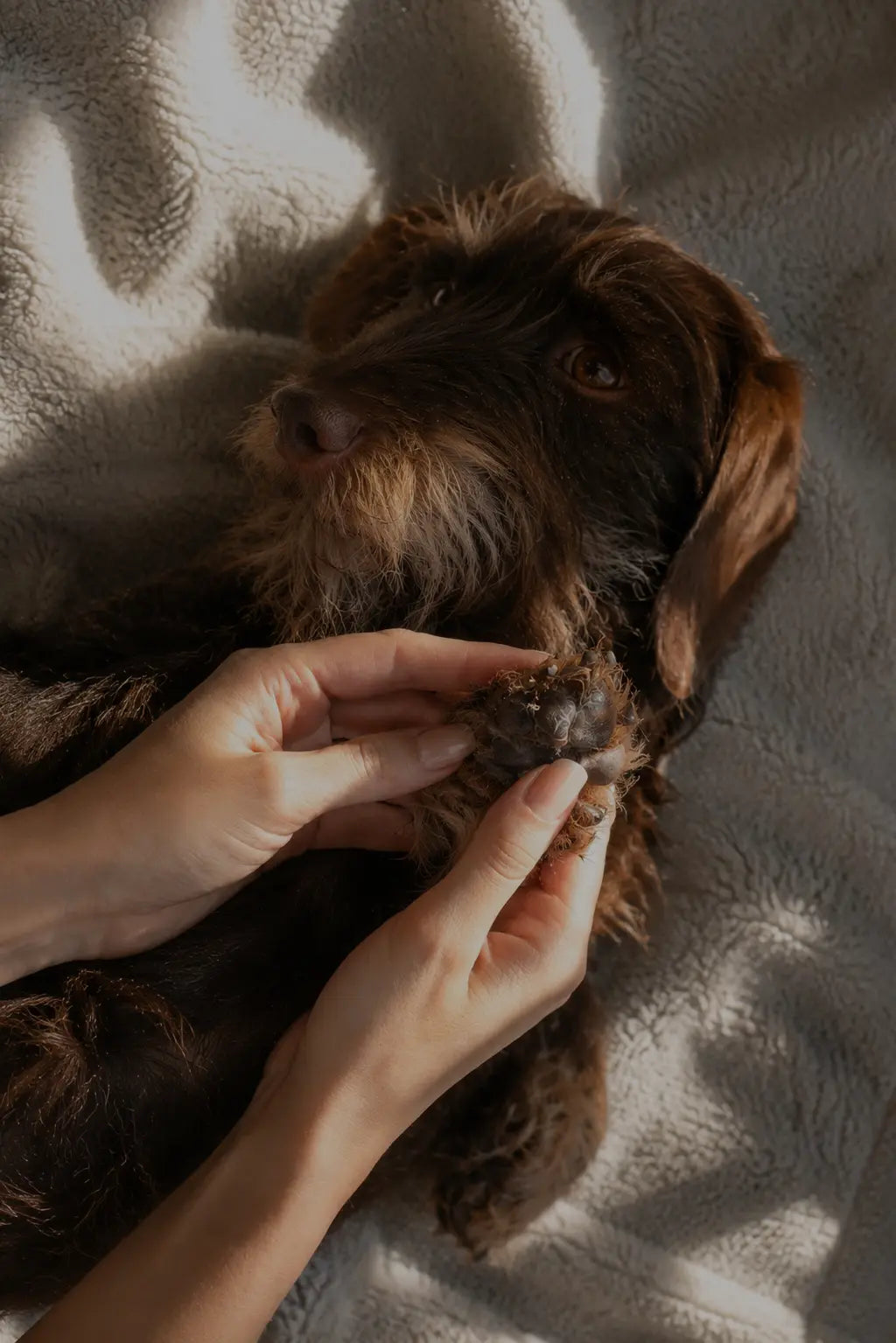
Use it when your dog needs a proper bath, rather than relying on wipes for a dirty coat. Wet the coat, massage in a small amount, leave it for 2–3 minutes, then rinse thoroughly. After washing, Coat Condition can help make brushing easier. For dry paws or a nose, Barrier Balm provides targeted hydration.
Build a grooming routine that fits your dog
Shape your routine around your dog’s coat, comfort, and the care you can manage at home. Suitable, consistent upkeep can make saving money on dog grooming feel less like cutting corners and more like thoughtful planning. Keep professional help for tasks that need experience, and choose home-care products that support the routine between visits.
Essencera’s Pure Wash supports at-home bathing. For dry paws or a nose, Barrier Balm provides targeted hydration, while Coat Condition helps make brushing easier after washing. Each has a distinct role, so choose based on the care your dog actually needs.
A simple routine can grow with your dog, whether their coat changes or your schedule shifts. For help choosing suitable grooming products, contact Essencera. Small, caring steps can make coat care feel more manageable for both of you.
Frequently Asked Questions
How Much Does Professional Dog Grooming Cost?
Use the per-session range discussed earlier as a starting estimate, then compare it with the exact service plan your dog needs. A useful quote identifies the requested grooming tasks and any optional add-ons separately. For example, ask whether a quoted package includes ear cleaning or nail care before comparing it with another offer. Comparing like-for-like services makes the estimate more useful for planning.
Is Mobile Grooming More Expensive Than In-Store Grooming?
Mobile grooming typically costs more, as noted above. Compare the full appointment details, not convenience alone. Consider which tasks are included, whether the service suits your dog’s handling needs, and how travel affects your schedule. A mobile appointment may suit an owner who values at-home convenience, while a salon visit can be practical for routine care.
How much does professional dog grooming cost in the United States by dog size and coat type?
There isn’t a fixed price table that applies to every dog in the United States. Along with breed and coat, an estimate can reflect coat condition, drying time, and the requested finish. For instance, a coat needing careful detangling or a specific breed-style shape may take more work than a simple tidy. Describe your dog’s current coat and desired result when requesting an estimate.
Is at-home dog grooming cheaper than using a professional groomer, including equipment costs?
It can be, especially if you use the same tools across repeated grooming sessions. To assess the trade-off, write down the purchase cost of the tools you need and compare it with the professional appointments they could replace. Include upkeep and replacement in your calculation, too. A basic brush may suit regular coat maintenance, while clippers are useful only if you can handle them safely and confidently.
Which dog grooming tasks are safe to do at home, and how do you do them?
Simple tasks include brushing, cleaning visible dirt around the eyes, and careful nail maintenance. For nail trimming, handle one paw gently and remove only a small amount at a time. Stop if your dog pulls away or becomes unsettled. Use a stable, nonslip place for grooming, keep scissors away from tight mats, and leave close clipping or difficult tangles to an experienced groomer.
How can you find affordable dog groomers, mobile groomers, or grooming schools nearby?
Search online using your town or ZIP code with terms like “dog groomer,” “mobile dog grooming,” or “dog grooming school.” Local community groups can also suggest nearby options. Compare service descriptions and appointment types, then consider whether a salon, mobile appointment, or school setting suits your dog. A clear description of your dog’s coat and the trim you want makes comparisons more relevant.
Do pet stores, grooming salons, or veterinary clinics offer discounts or grooming packages?
Pet stores may offer loyalty deals, such as a free item after a certain number of purchases. That kind of promotion applies to products, not necessarily grooming appointments. Salons may package routine services, so review what each package includes before deciding whether it fits your dog’s care plan. Promotions and terms differ, so compare the actual service or product value rather than assuming a discount covers every grooming need.
Are there low-cost dog grooming programs or assistance options for pet owners in the United States?
Ask friends or neighbors for groomer recommendations, explain your budget, and ask about simpler services such as a bath and brush or a separate nail trim. Booking during non-peak times may also help you find a deal.